


More Than Just Nostalgia
For years, the narrative of modern food has been one of speed and convenience. We traded slow-simmered dals for instant noodles and complex masalas for single-use packets. While the convenience is undeniable, a growing movement is pushing back, not just
out of a sense of nostalgia, but from a conscious desire for something more meaningful. The global pandemic played a significant role, forcing millions indoors and reconnecting them with their kitchens. Stripped of restaurant options, people began experimenting, and many found themselves calling their mothers and grandmothers for recipes. This wasn't just about sustenance; it was about connection, comfort, and reclaiming a part of their heritage that felt lost in the daily hustle.
The Search for Authenticity
This culinary revival is also a direct response to a globalised food culture that often prioritises uniformity over uniqueness. In a world saturated with generic fast-food chains and ultra-processed ingredients, traditional recipes offer an anchor of authenticity. They tell a story—of a specific region, a particular family, and a time when food was intrinsically linked to the land. Consumers are becoming more discerning, asking where their food comes from and how it's made. The answer lies in these heirloom dishes, which rely on local, seasonal produce and time-honoured techniques. Eating a bowl of Rajasthani 'gatte ki sabzi' or a Bengali 'shukto' is not just a meal; it's an experience that connects you to a specific geography and culture, a delicious rebellion against the blandness of mass production.
Grandma's Kitchen Goes Digital
Ironically, one of the biggest drivers of this traditional trend is the ultra-modern world of social media. Platforms like Instagram and YouTube have become virtual archives for culinary heritage. A new generation of food bloggers and home cooks are documenting their grandmothers' recipes, complete with step-by-step videos and detailed notes. What was once passed down orally is now being digitised, preserved, and shared with a global audience. Hashtags like #grandmacooking and #heirloomrecipes are filled with visuals of elaborate preparations, from sun-drying pickles to hand-pounding spices. This digital repository is not only saving recipes from being forgotten but is also making them accessible and less intimidating for novice cooks who want to learn.
A Celebration of Regional Pride
In India, the comeback is closely tied to a surging pride in regional identity. For decades, mainstream restaurant culture was dominated by a handful of popular North Indian and Mughlai dishes. Today, chefs and restaurateurs are championing the vast, untapped diversity of India's regional cuisines. Restaurants dedicated to Bihari, Odia, or Assamese food are gaining popularity in metropolitan cities, introducing diners to flavours they may have never encountered. This culinary exploration is inspiring home cooks to look inward and rediscover the specialities of their own communities. The focus has shifted from impressing guests with a generic 'paneer butter masala' to celebrating the unique deliciousness of a family's signature 'kosha mangsho' or 'avial'.
The Modern Health Connection
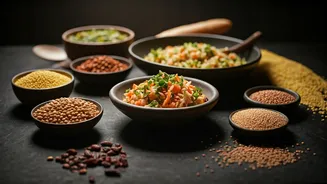
Finally, the movement aligns perfectly with modern wellness trends. Many traditional Indian cooking practices are inherently healthy. They emphasise fresh, seasonal ingredients, a balanced use of spices with medicinal properties, and techniques like fermentation (think idli, dosa, and pickles) that are fantastic for gut health. As people become more aware of the downsides of processed foods high in sugar, sodium, and unhealthy fats, the wisdom of our ancestors' diet becomes increasingly apparent. Traditional meals, often built around whole grains, lentils, and vegetables, offer a blueprint for a balanced and nourishing lifestyle that is both sustainable and deeply satisfying.