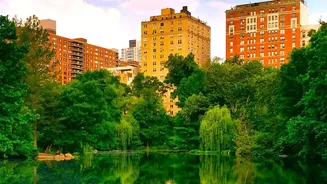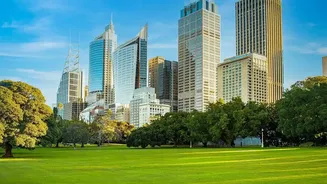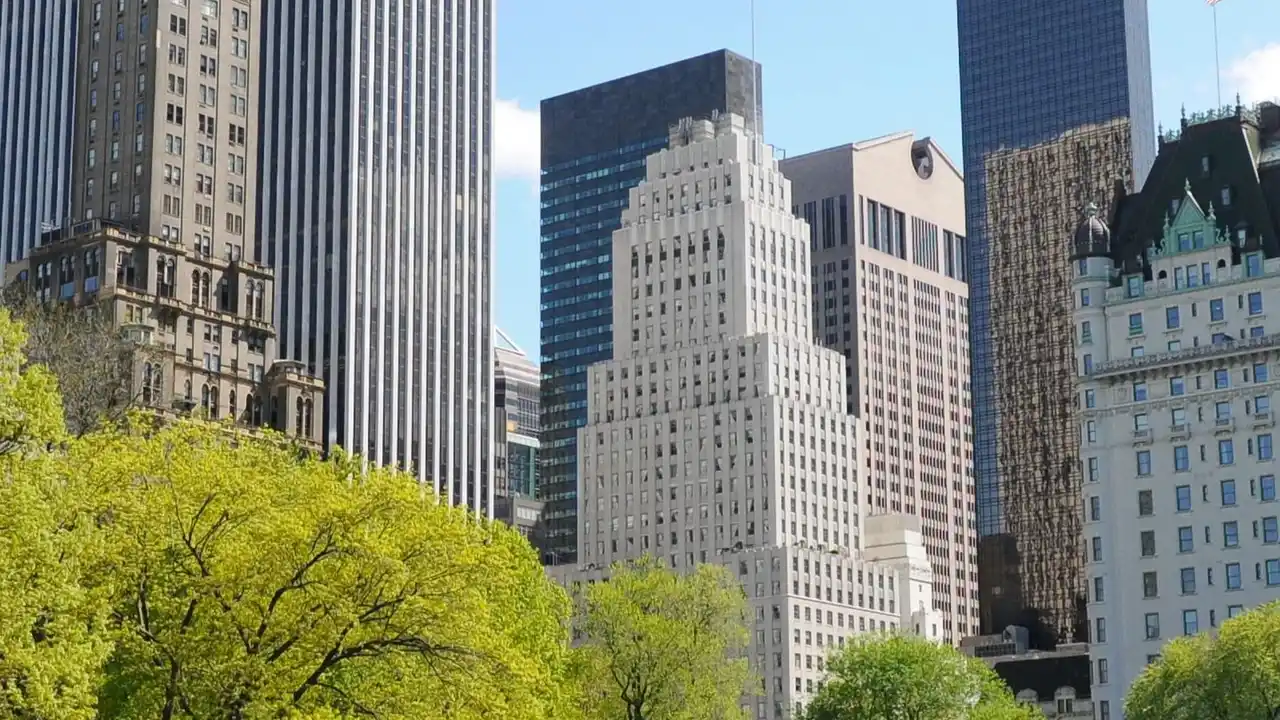





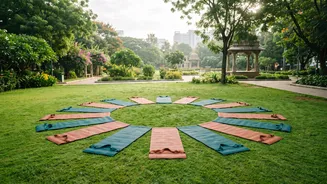

In the dense, bustling landscape of India’s metros, public parks are more than just patches of green. They are essential sanctuaries for recreation, reflection, and community, serving as the vital green lungs of our packed urban centres.
More Than Just Green Lungs
In the relentless
pace of urban India, from Mumbai to Delhi, a city’s public park is its communal backyard. Often called 'green lungs', their function extends far beyond providing cleaner air. These spaces are critical infrastructure for public health and social well-being, offering a respite from the concrete jungle. They are democratic spaces where people from all walks of life can access nature, recreation, and a sense of peace. Amidst noise and congestion, parks provide a necessary counterbalance, helping to mitigate the urban heat island effect and supporting local biodiversity. More importantly, they offer a stage for community life to unfold freely.
A Boost for Mind and Body
The health benefits of green spaces are profound and well-documented. For millions of city dwellers, a morning walk or evening jog in a local park is a non-negotiable part of their routine. Research consistently shows that access to parks is linked to increased physical activity, which helps reduce the risk of chronic diseases. But the benefits are not just physical. Exposure to nature has a powerful impact on mental health, with studies confirming that time spent in green spaces can lower stress, reduce anxiety and depression, and improve overall mood and focus. In an era of high-stress jobs and digital overstimulation, these natural environments serve as informal yet effective mental health support systems.
The Social Fabric of the City
Parks are powerful engines of social cohesion. They are one of the few places in a stratified urban society where people of different ages, backgrounds, and income levels can interact informally. These spaces host laughter yoga clubs, impromptu cricket matches, family picnics, and quiet conversations between neighbours. For many, parks serve as natural gathering points that help reduce loneliness and foster a sense of belonging within a large, often anonymous city. This shared environment strengthens social bonds and builds community from the ground up, turning a collection of residents into a neighbourhood.
A Haven for the Young and Old
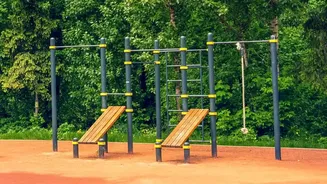
For children and the elderly, public parks are particularly vital. To a child, a park is a world of adventure, offering space for free play that is crucial for physical, mental, and social development. It's where they learn to run, climb, share, and interact with peers. For senior citizens, parks provide a safe and accessible venue for gentle exercise, socialising with friends, and staying connected to the community. The simple act of sitting on a park bench offers a chance to observe the world, combat isolation, and enjoy a sense of peace, making these spaces indispensable for the well-being of our youngest and oldest citizens.
Protecting Our Urban Oases
Despite their immense value, public parks in Indian metros face constant threats. Rapid urbanisation puts immense pressure on open land, with encroachment for buildings or infrastructure being a persistent issue. Many parks suffer from inadequate maintenance, poor lighting, and a lack of safety, which can deter visitors, especially women and children. Furthermore, some parks designed for specific needs, like those for children with disabilities, often remain inaccessible or poorly maintained. Recognizing these challenges is the first step towards ensuring these invaluable community assets are not just preserved but are also made safe, inclusive, and accessible for everyone.