


Choose Your Destination Wisely
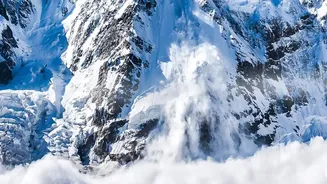
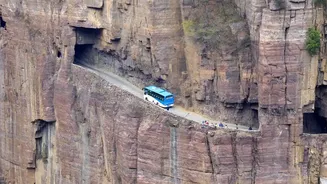
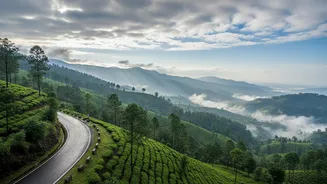
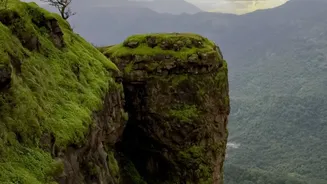
The first step to a safe monsoon trip happens before you even pack your bags. While the rains bring destinations like the Western Ghats and Himalayan foothills to life, these areas are also prone to landslides and flash floods. Before booking, do a quick
search for your chosen destination's history with monsoon-related incidents. The Geological Survey of India (GSI) and National Remote Sensing Centre (NRSC) provide resources, including landslide hazard maps, that can help identify vulnerable zones. Opting for a destination in the plains or one with a lower history of severe weather events can be a smarter choice during peak monsoon months. Consider places that are less remote and closer to home to reduce travel time and potential complications.
Monitor Forecasts and Local Advisories
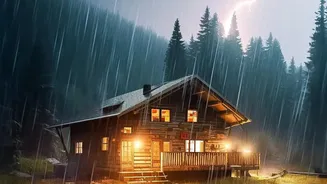
The weather is unpredictable, but modern forecasting gives us a crucial advantage. Start checking the weather forecast at least a week before your trip and continue monitoring it daily. Pay close attention to alerts issued by the India Meteorological Department (IMD), which provides regular updates on heavy rainfall, thunderstorms, and potential cyclonic activity. The government's 'Mausam' and 'Damini' apps provide district-level forecasts and lightning alerts. Furthermore, check for local travel advisories issued by the State or National Disaster Management Authority (NDMA), as they will have the most current information on road closures, flooding, and other hazards.
Your Pre-Trip Safety Checklist
A road trip requires a vehicle in top condition, especially in the rain. Before you leave, get your car serviced. Check the tyres for good tread, ensure the brakes are working perfectly, and test your headlights and wipers. Pack a monsoon-specific emergency kit containing a first-aid box with basic medicines for colds and stomach issues, a powerful torch, a fully charged power bank, and some dry snacks. It's also essential to pack your clothing and electronics in waterproof bags or use a waterproof backpack cover to protect them. Quick-dry clothing and anti-slip, waterproof footwear are far more practical than jeans and flip-flops.
Navigating Health Risks on the Go
The monsoon season sees a spike in water-borne and mosquito-borne diseases like cholera, typhoid, dengue, and malaria. The risk of contamination is high, so it's best to avoid street food, especially items that are uncooked or have been sitting out. Drink only bottled, boiled, or purified water and avoid ice in your drinks unless you're sure it's made from safe water. Wash your hands frequently with soap or use a hand sanitiser. In areas with a high mosquito population, use a reliable insect repellent and wear long-sleeved clothing, particularly during the evenings.
Driving Safely Through the Downpour
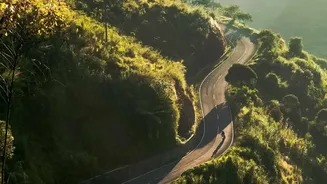
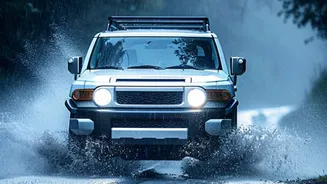
On the road, caution is your best friend. Reduce your speed, as wet roads significantly increase braking distance. Avoid driving through waterlogged streets, as it’s impossible to know the depth or see hidden potholes and open manholes. If you're in a hilly area, be extremely vigilant for signs of landslides, such as trickles of mud, falling rocks, or newly cracked earth. Never try to cross a road that has been affected by a slide. It's always safer to turn back or wait for authorities to clear the path. Driving at night during heavy rain is particularly dangerous due to poor visibility and should be avoided whenever possible.
The Safety Net of Travel Insurance
Travel plans can be disrupted by severe weather, leading to cancelled flights or trains and forcing you to cut your trip short. This is where travel insurance becomes invaluable. When purchasing a policy, specifically look for coverage that includes trip cancellation and interruption due to weather-related events. This can help you recover non-refundable costs for hotels and tickets. Some policies also cover expenses for delays, such as the cost of extra accommodation or meals if you get stranded. Read the policy documents carefully to understand what is covered before you make a purchase.