






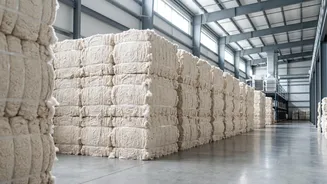
As you browse for festive deals on new outfits, a behind-the-scenes policy decision is quietly shaping the prices and discounts you see. India's cotton import rules are creating a ripple effect from farms to fashion brands. Here is how it works.
The Policy at Play: A Duty-Free Debate
At the
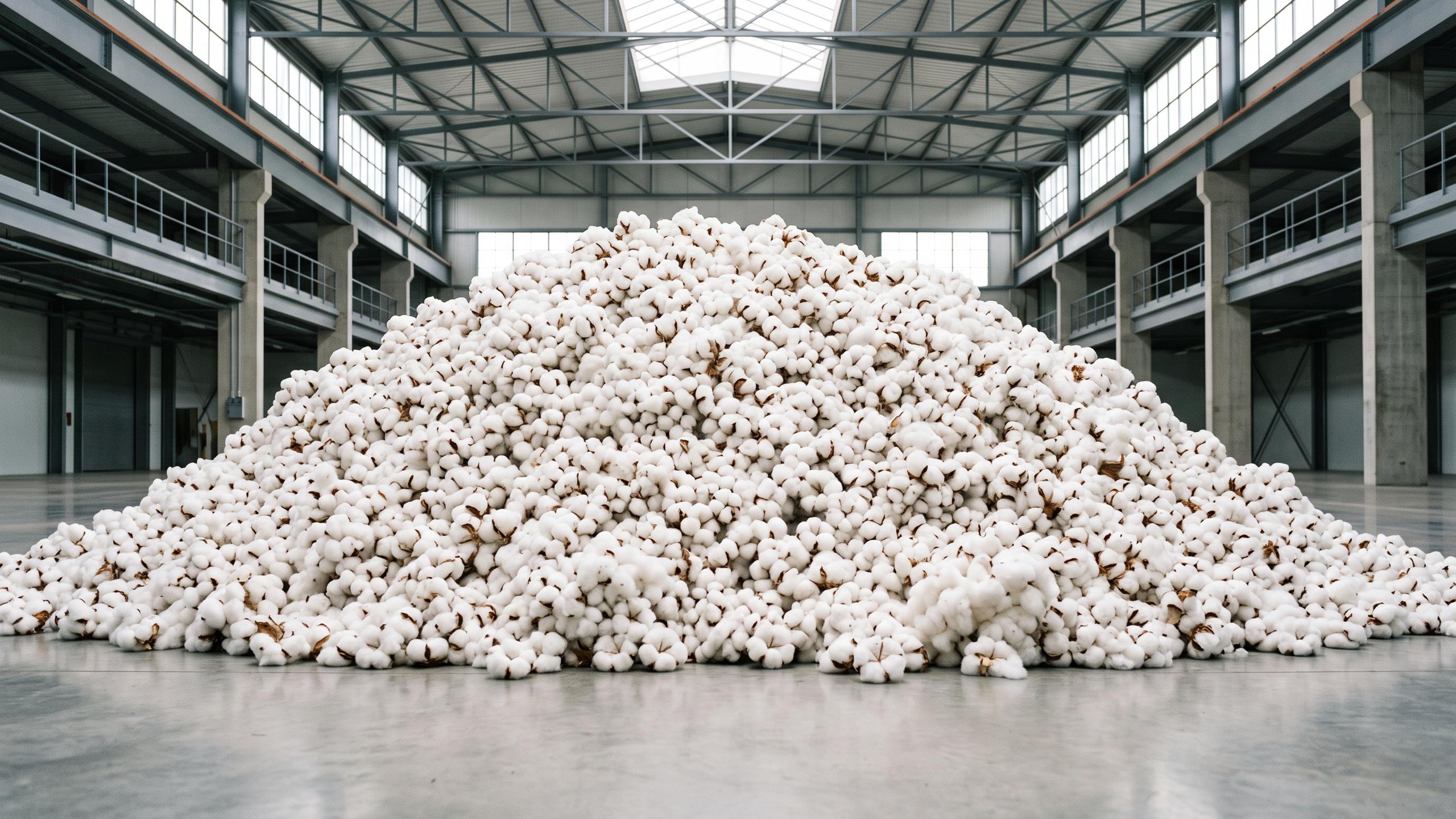
heart of the issue is an 11% customs duty on cotton imports. To help the domestic textile industry, the government temporarily removed this duty from June 1 to October 31, 2026. This was a relief for spinning mills and garment manufacturers who rely on both domestic and imported cotton. However, with the festive season in full swing and domestic cotton production for 2026-27 expected to be lower than demand, the industry is in a tense situation. Reports suggest the government is now considering extending the duty-free window until the end of December to prevent raw material shortages and stabilize prices. This decision creates a balancing act: helping manufacturers secure cheaper raw materials versus potentially depressing prices for domestic cotton farmers during their harvest season.
The Ripple Effect Through the Supply Chain
When an import duty is active, it makes foreign cotton more expensive. This forces textile mills to either buy costlier domestic cotton or absorb the import tax. Higher raw cotton prices directly increase the cost of producing yarn, which then makes fabric more expensive. This cost inflation travels up the supply chain to garment manufacturers and, eventually, to the apparel brands that stock retail showrooms. Industry bodies like the Confederation of Indian Textile Industry (CITI) have argued that removing the import duty for longer periods is crucial for Indian manufacturers to compete with rivals in Bangladesh and Vietnam, who often have lower raw material costs.
The Festive Season's Margin Squeeze
The festive quarter, which can account for nearly 35% of annual apparel sales, is a critical period for retailers. This year, they face a difficult choice. On one hand, consumer sentiment is positive, with over half of apparel manufacturers expecting higher sales than last year. On the other hand, elevated raw material costs are squeezing profit margins. A recent survey by the Clothing Manufacturers Association of India (CMAI) found that about 54% of apparel makers are absorbing the higher costs themselves by taking a hit on their margins, rather than passing the full amount to customers. Only around 35% have opted to increase their final prices.
What This Means for Your Wallet
For shoppers, this complex situation has a direct impact on festive budgets. While retailers are optimistic about sales volumes, the pressure on their profitability means they may be less generous with discounts. Operating margins for apparel retailers are expected to contract this fiscal year due to the intense competition and the difficulty of passing on rising costs. So, while clothing remains a top spending category for consumers this season, you might find that the deep discounts of previous years are harder to come by. Retailers are increasingly focusing on the 'value fashion' segment—offering trendy clothes at lower price points—to drive growth, which caters to price-conscious consumers looking for aspirational yet affordable options.