


Choose Your Digital Telescope
The first step is downloading a stargazing app. There are many great options, but beginners should look for ones that are user-friendly. Apps like Star Walk 2, SkyView Lite, and Stellarium are excellent starting points. Many have free versions that are more
than powerful enough to get you started. These apps use your phone's GPS and compass to show you a real-time map of the sky above you, using augmented reality to label stars, constellations, and planets right on your screen.
Getting Started: First Steps
Once installed, the app will ask for permission to use your location. This is crucial for it to know what your sky looks like. After granting access, you typically calibrate it by moving your phone in a figure-eight pattern. Then, just point your phone at the sky. The app will identify what you're looking at. Most have a search function (usually a magnifying glass icon) where you can type in the name of the object you want to find, like "Jupiter". The app will then display an arrow to guide you.
Hunting the King: Finding Jupiter
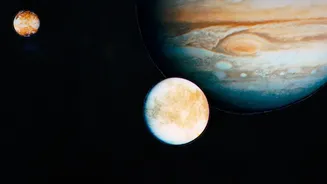
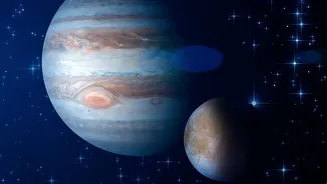
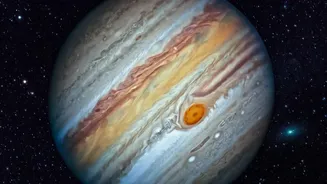
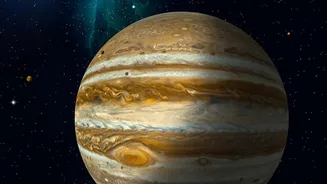
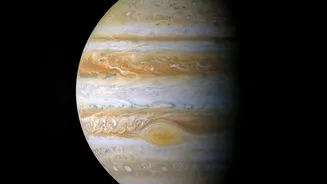
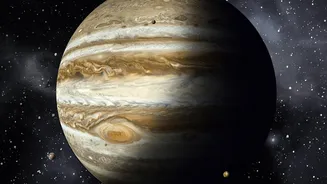
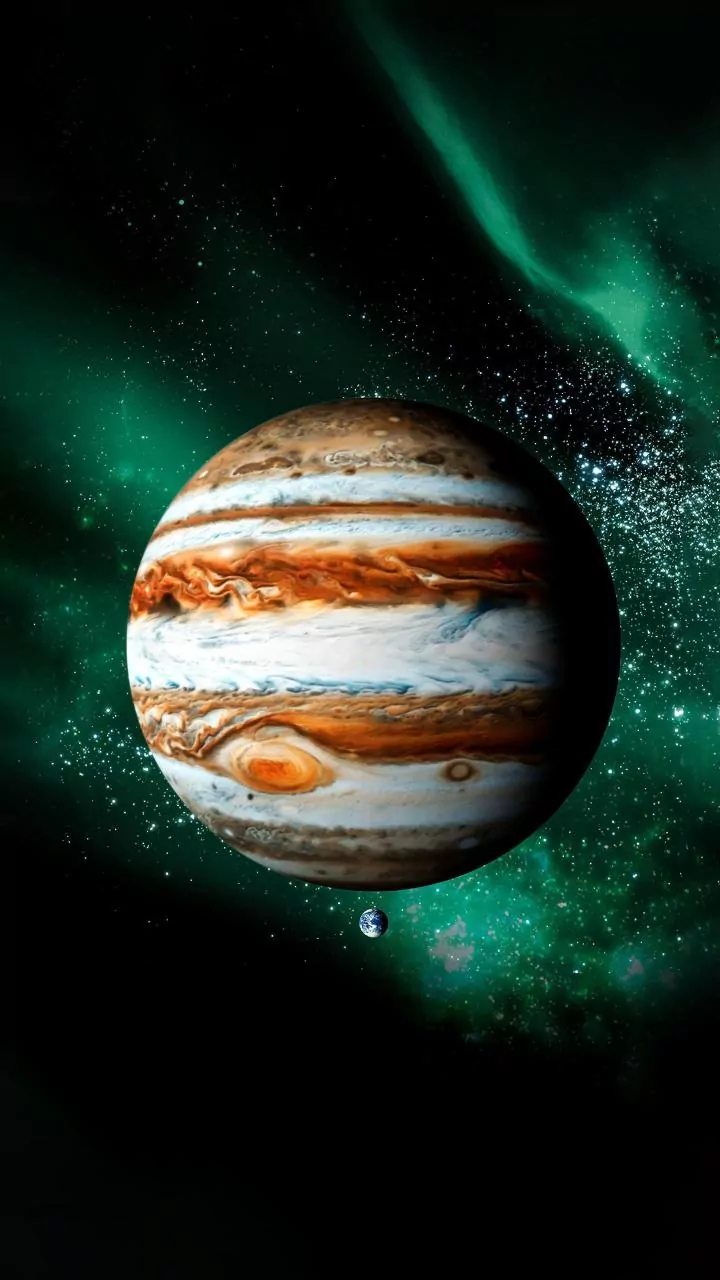
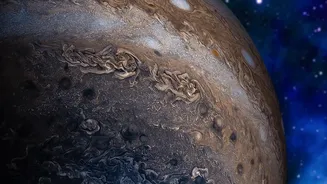
Jupiter is one of the brightest objects in the night sky, making it a rewarding target for beginners. In late August 2026, Jupiter is a pre-dawn object, rising in the east shortly before the sun. While it will be bright, its low position in the twilight might make it a bit tricky. Use your app's search function to locate it. The app can show you its path, helping you know where to look even before it crests the horizon. Even through the app, you'll appreciate its status as the king of the planets.
Spotting the Rings: Locating Saturn
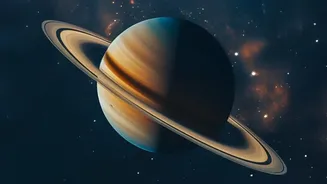
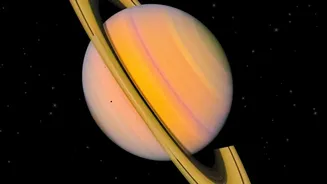
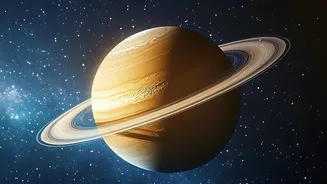
Saturn is another stunning sight. Throughout August 2026, yellowish Saturn is well-positioned for viewing, rising in the east in the evening and traveling across the sky through the night. This makes it a much more comfortable evening target than Jupiter during this period. On the night of August 30-31, the Moon will pass close to Saturn, making it exceptionally easy to find. Use your app to confirm its location and marvel at the famed ringed planet. While you won't see the rings through your phone, knowing you're looking right at them is a thrill.
Catching a Space-Age Star: The ISS
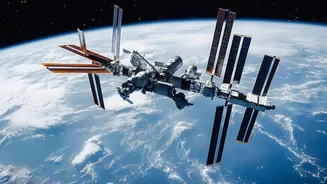
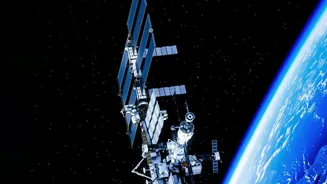
Spotting the International Space Station (ISS) is different from finding a planet. It’s a fast-moving object visible only for a few minutes during specific passes, usually around dawn or dusk. This is when the station, flying 400 kilometers above Earth, is high enough to catch the sun's rays against a dark sky. General stargazing apps like SkyView can track it, but dedicated apps like NASA's Spot The Station or ISS Detector are excellent. These apps are specifically designed to give you precise pass predictions and will send alerts to your phone minutes before the ISS is about to fly over your location.
Pro Tips for a Great Viewing Night
To make the most of your stargazing session, get away from city lights if you can; the darker the sky, the more you'll see. Give your eyes about 15-20 minutes to fully adapt to the darkness. Many apps have a red-light 'Night Mode' which helps preserve your night vision while you use your phone. Finally, be patient. Stargazing is about slowing down and appreciating the scale of the cosmos. Check the weather forecast for clear skies, bundle up if it's cold, and enjoy the show above.