
The Sweet Shift Away From Sugar
For generations, sugar has been the undisputed king of sweeteners in Indian households, essential for everything from morning chai to festive desserts. However, a growing consciousness around health and a renewed appreciation for traditional ingredients
are inspiring a change. Home bakers across the country are leading a movement to replace highly processed white sugar with natural alternatives. At the forefront of this trend is jaggery, or 'gur', a classic sweetener that is making a major comeback not just in traditional mithai, but in modern baked goods like cakes, cookies, and brownies. This return to roots is driven by a desire for treats that are not only delicious but also more wholesome and flavourful.
What Exactly is Jaggery?
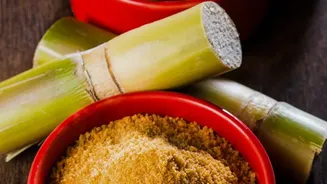
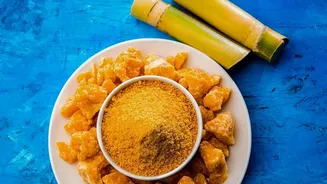
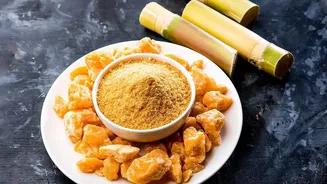
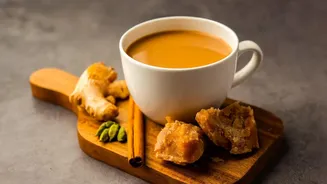
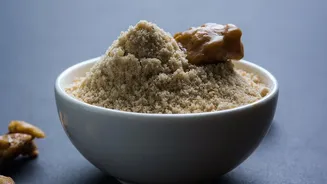
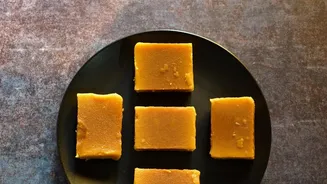
Jaggery is an unrefined natural sweetener made by concentrating the juice of sugarcane or palm trees. Unlike white sugar, which undergoes intense processing that strips it of all nutrients, jaggery is produced with minimal processing. This traditional method ensures that it retains molasses and a host of minerals and vitamins that are otherwise lost. With a rich, earthy flavour reminiscent of caramel and molasses, it offers a complexity that one-dimensional white sugar lacks. India is the world's largest producer of jaggery, where it has been a staple in Ayurvedic medicine and everyday cooking for centuries, often referred to as “medicinal sugar.”
A Healthier, Not a 'Health Food'
While jaggery is often touted as a healthier alternative, it's important to understand the nuances. Jaggery is still a form of sugar and contains a similar number of calories, so it should be consumed in moderation. However, its nutritional profile gives it a distinct advantage over white sugar, which provides only empty calories. Jaggery contains small amounts of essential minerals like iron, potassium, and magnesium. Because it is a more complex carbohydrate, it is digested more slowly than refined sugar, leading to a more gradual release of energy instead of a sharp spike in blood sugar levels. This makes it a comparatively better option, though not a license to overindulge.
From Traditional Laddoos to Modern Brownies
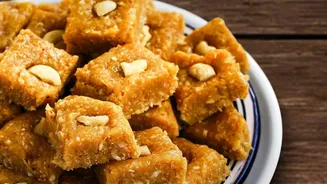
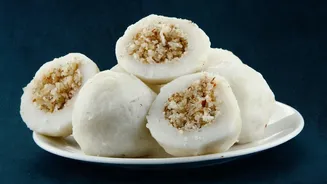
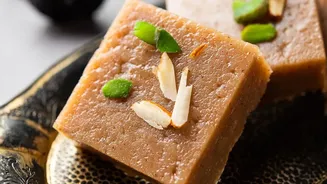
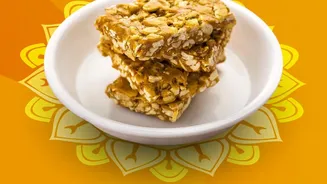
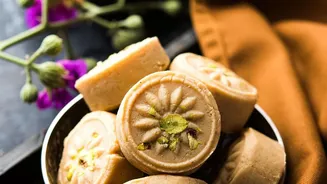
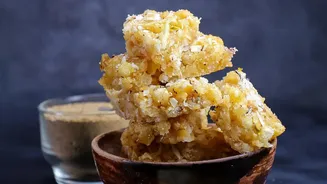
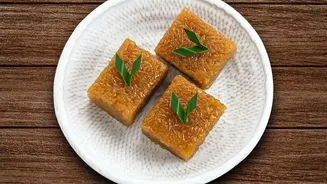
The versatility of jaggery is a key reason for its growing popularity among home bakers. It has long been the heart of classic Indian sweets like chikki, laddoos, and puran poli. Now, creative bakers are incorporating it into Western-style desserts. Jaggery's natural molasses content makes it a fantastic substitute for brown sugar, creating baked goods that are wonderfully moist and chewy. Imagine spiced jaggery cookies, dense chocolate brownies with a rich caramel note, and soft, moist tea cakes that stay fresh for days. Some bakers are even using jaggery infused with spices like cardamom and ginger to add another layer of flavour. This fusion of traditional ingredients with modern baking techniques is resulting in unique and flavourful creations.
Tips for Baking with Jaggery
Ready to make the switch? Baking with jaggery is simple, but there are a few things to keep in mind. For most cake and cookie recipes, you can substitute white or brown sugar with an equal amount of powdered or grated jaggery. Since jaggery is hygroscopic—meaning it attracts and holds moisture—it can make your bakes softer and denser. You might want to slightly reduce the liquid in your recipe by a tablespoon or two to get the right consistency. To ensure a smooth batter, it's a good idea to dissolve the jaggery in a warm liquid like water or milk before adding it to other ingredients, which also helps filter out any minor impurities.