


What Exactly Is Sourdough Discard?
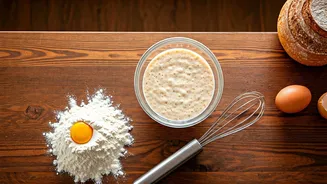
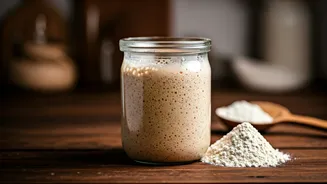
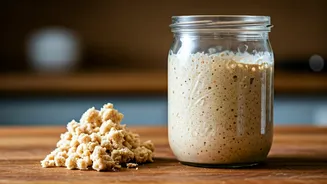
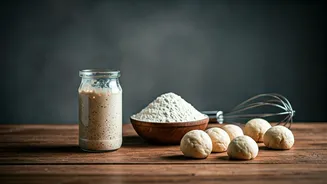
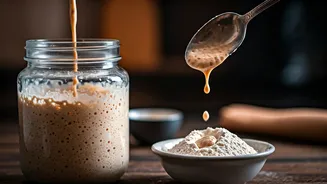
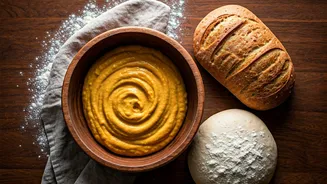
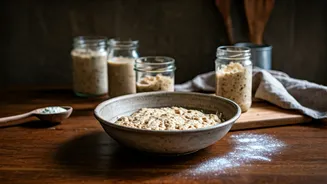
Before diving into why it's so prized, let's clarify what sourdough discard is. A sourdough starter is a living culture of wild yeast and bacteria that needs regular 'feeding' with flour and water to stay healthy and active. To prevent it from growing
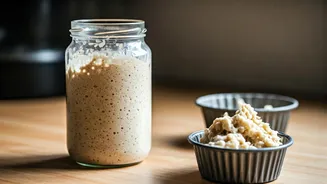
uncontrollably and to keep the yeast culture vigorous, bakers remove a portion before each feeding. This unfed portion is the 'discard'. While its name implies it's waste, it's actually a potent mix of fermented flour and water, packed with potential. Think of it not as waste, but as a byproduct of keeping your main starter strong and ready for baking.
The Pursuit of Deeper Flavour
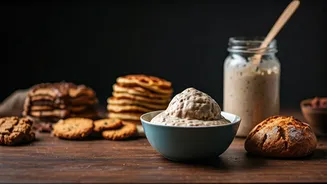
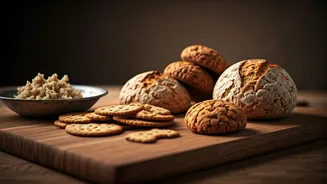
One of the main reasons bakers save their discard is for the incredible depth of flavour it provides. This discard imparts a tangy, complex taste—often compared to notes of cultured butter or crème fraîche—that can elevate a wide range of recipes. It adds a subtle sourness and richness that you can't get from commercial yeast alone. This makes it a secret ingredient in everything from pancakes and cookies to pizza dough and muffins, transforming familiar treats into something more nuanced and delicious. The age of the discard can also be used to control the intensity of this tang, giving bakers even more creative control.
A Commitment to Zero-Waste Kitchens
The movement towards sustainability is strong in urban centres, and the kitchen is no exception. For many bakers, throwing away discard daily feels incredibly wasteful. Keeping and using the discard aligns perfectly with a zero-waste or low-waste philosophy, ensuring that the flour and water used to maintain the starter don't end up in the bin. This mindset isn't just about saving resources; it's about respecting the ingredients and the process. By finding creative uses for what would otherwise be composted, bakers are making a conscious choice to reduce their environmental footprint, one recipe at a time.
Unlocking Superior Texture and Tenderness
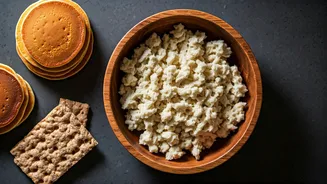
Beyond flavour, sourdough discard works wonders on texture. The acidity in the discard helps to tenderise gluten in other batters and doughs. This results in baked goods that are noticeably softer, moister, and fluffier. When added to recipes for pancakes, waffles, or biscuits, it creates an exceptionally tender crumb. Because it's high in moisture, discard also helps baked goods stay fresh for longer, preventing them from drying out too quickly. For bakers obsessed with achieving the perfect texture, the discard is an invaluable tool.
An Ingredient for Endless Creativity
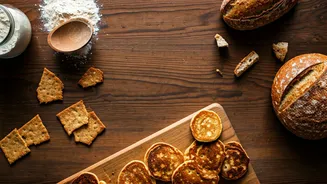
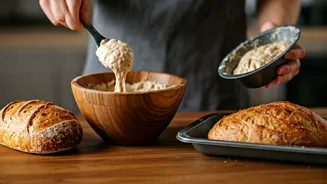
Ultimately, sourdough discard is a passport to culinary experimentation. The sourdough trend is no longer just about the classic loaf; it's evolving into pastries, donuts, and more. Discard is at the heart of this innovation. Bakers use it to make everything from crispy crackers and savoury flatbreads to rich brownies and tender scones. It can be worked into recipes for naan, pizza crust, and even pasta. This versatility means that instead of being a problem to be disposed of, the discard becomes an opportunity—a foundational ingredient for the next delicious creation waiting to be discovered.