

The Fasting Rules
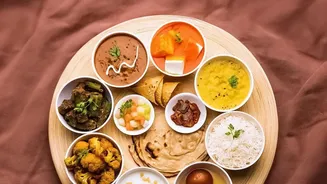
Before diving into the dishes, it's helpful to know the basics of the Sawan diet. Most devotees abstain from regular grains like wheat and rice, lentils, onions, garlic, and common table salt. Instead, the pantry shifts to ingredients known as 'falahari'
or 'vrat-friendly'. This includes special flours like kuttu (buckwheat), singhara (water chestnut), and rajgira (amaranth). Sabudana (tapioca pearls), samak rice (barnyard millet), potatoes, fruits, and dairy products become staples. For seasoning, sendha namak (rock salt), cumin, green chillies, and ginger are commonly used. This culinary tradition is rooted in sattvik principles—eating pure, light food that is easy on the digestive system, a wisdom that aligns with Ayurveda's advice for the humid monsoon season.
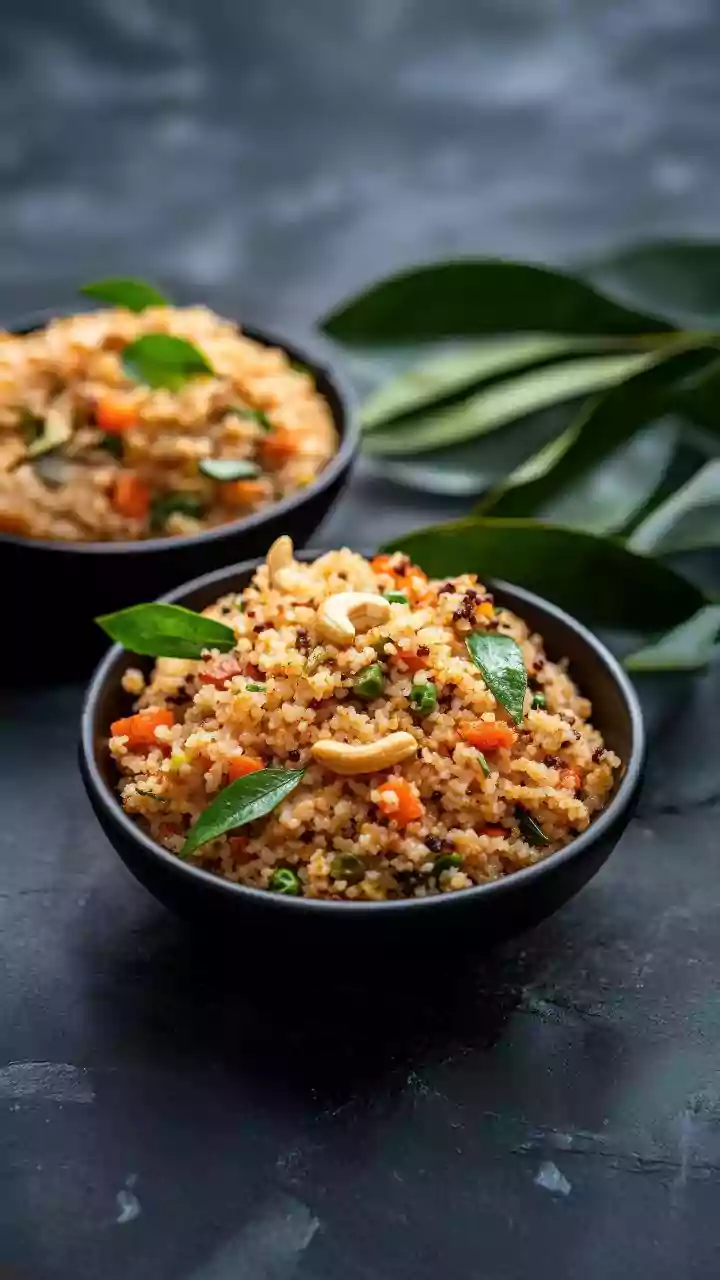
Sabudana Khichdi (Maharashtra)
Arguably the most famous fasting dish across India, Sabudana Khichdi is a beloved staple, especially in Maharashtra. It’s made from soaked tapioca pearls, which are sautéed with roasted peanuts, boiled potatoes, cumin seeds, and green chillies. The result is a light, fluffy, and flavourful dish that provides a great balance of carbohydrates and protein to keep energy levels stable throughout the day. Though it originated in Maharashtra, its popularity has made it a go-to comfort food for fasters everywhere.
Kuttu ki Puri with Vrat Wale Aloo (North India)
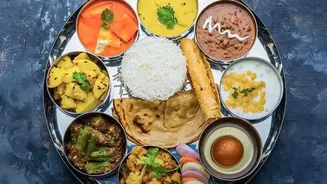
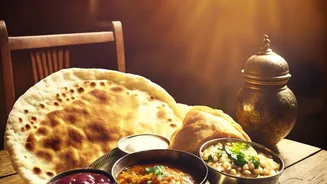
In North Indian states like Uttar Pradesh and Punjab, a Sawan meal often feels incomplete without Kuttu ki Puri. Made from buckwheat flour, the dough is sometimes mixed with mashed potatoes, rolled into small discs, and deep-fried until crisp and slightly dark in colour. These puris have a distinct nutty flavour and are typically served with a simple, comforting curry of Vrat Wale Aloo. This potato dish is prepared without onion or garlic, seasoned instead with cumin, tomatoes, ginger, and green chillies. Together, they make for a hearty and festive meal that turns a fast into a feast.
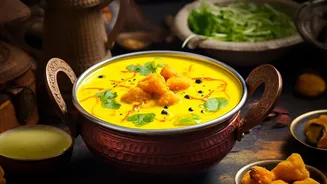
Makhane ki Kheer (Bihar)
For those with a sweet tooth, Makhane ki Kheer is a divine dessert that hails from the Mithila region of Bihar, an area known for its production of makhana (fox nuts). To prepare this kheer, puffed fox nuts are lightly roasted in ghee until crunchy, then simmered in milk until it thickens. The pudding is sweetened with sugar or jaggery and delicately flavoured with cardamom, saffron, and chopped nuts like almonds and pistachios. It's a rich, creamy, and nutritious dessert that’s both light on the stomach and deeply satisfying.
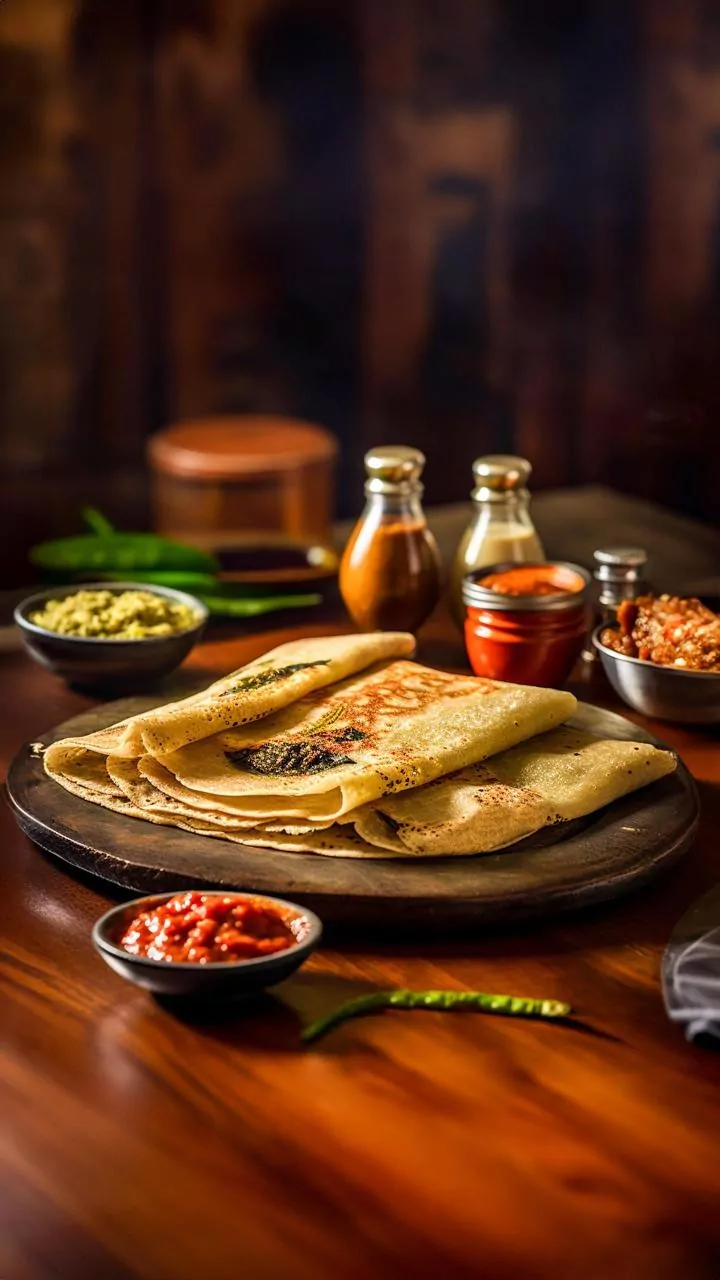
Rajgira Paratha (Gujarat & Rajasthan)
Rajgira, or amaranth flour, is a gluten-free superfood that becomes a popular choice for making flatbreads during Sawan. The Rajgira Paratha is made by kneading amaranth flour with boiled and mashed potatoes, green chillies, and fresh coriander. Since the flour lacks gluten, rolling these parathas can be a bit tricky, but the effort is well worth it. Cooked on a tawa with a little ghee, these parathas are soft, wholesome, and incredibly flavourful. They are often enjoyed with a side of plain yogurt or a simple potato sabzi, making for a filling and healthy meal.
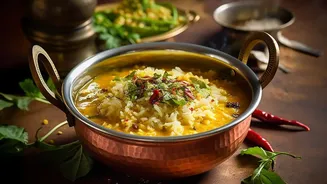
Samak Rice Khichdi (Central India)
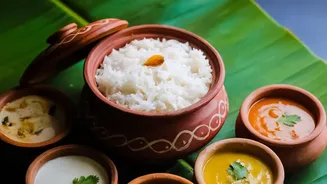
When regular rice is off the menu, samak rice, also known as barnyard millet, comes to the rescue. In states like Madhya Pradesh, it is transformed into a simple and comforting khichdi. The preparation is similar to its sabudana counterpart, where the millet is cooked with potatoes, peanuts, cumin, and mild spices. Its soft, slightly porridge-like texture is particularly soothing during the rainy season. This dish provides a wholesome, grain-free alternative that is both nutritious and compliant with fasting rules.