








Why the Rains Drain Your Energy
That feeling of being constantly tired during the monsoon isn't just in your head. High humidity is a primary factor. When the air is saturated with moisture, your sweat doesn't evaporate efficiently. Your body's natural cooling system has to work overtime,
which consumes a lot of energy and leads to fatigue and weakness. This increased effort to regulate body temperature means you are losing fluids and vital salts through sweat, even if you don't feel particularly hot or thirsty. In fact, the sticky, humid conditions can even trick your body by reducing the sensation of thirst, making it easy to become dehydrated without realizing it. This fluid loss, combined with less sun exposure which can disrupt sleep hormones like melatonin, creates a perfect storm for feeling sluggish.
It's Not Just Water, It's Electrolytes
Chugging plain water might seem like the obvious answer, but it's only half the story. When you sweat, you don't just lose water; you also lose essential minerals called electrolytes, such as sodium, potassium, and magnesium. These minerals are crucial for maintaining fluid balance, muscle function, and nerve signaling. Simply drinking excessive amounts of water can dilute the remaining electrolytes in your body, which can sometimes worsen symptoms like fatigue, muscle cramps, and headaches. To truly combat monsoon tiredness, you need to replenish both fluids and the electrolytes lost through sweat. This is the key to 'smarter' hydration.
Hydrating Foods and Drinks to Embrace
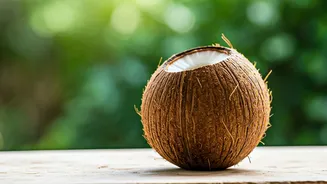
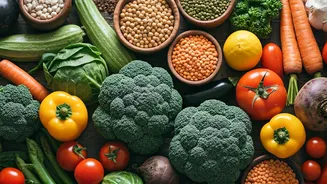
Thankfully, nature provides a delicious arsenal to keep you hydrated and energized. Focus on incorporating these options into your daily diet: * **Coconut Water:** Often called nature's sports drink, it's rich in electrolytes like potassium, making it excellent for rehydration. * **Buttermilk (Chaas):** A traditional Indian favourite, buttermilk is not only hydrating but also provides probiotics for gut health, which is especially important during the monsoon. * **Warm Soups and Broths:** A clear vegetable or chicken broth can be incredibly soothing and hydrating, replenishing fluids and sodium. * **Water-Rich Fruits & Vegetables:** Don't just drink your water; eat it too. Cucumbers (95% water), watermelon (92% water), oranges, and tomatoes are fantastic sources of fluids and vitamins. * **Herbal Teas:** Warm herbal teas with ginger, tulsi, or chamomile are comforting and hydrating, and can also help boost immunity. Unlike caffeinated drinks, they don't act as diuretics.
What to Limit or Avoid
Just as important as what you consume is what you avoid. Certain drinks can work against your hydration efforts. Limit your intake of heavily caffeinated beverages like coffee and some teas, as they can have a diuretic effect, causing you to lose more fluids. Sugary drinks, sodas, and packaged fruit juices often contain preservatives and sugars that can interfere with hydration and add empty calories. It's also wise to moderate alcohol consumption, as it is known to be dehydrating. Be cautious with street food and drinks, especially those with ice from unknown water sources, as the risk of waterborne illnesses increases during the monsoon.
Make Hydration a Habit
The best strategy is consistent sipping throughout the day, rather than drinking large quantities at once. Keep a water bottle with you as a constant reminder. A good habit is to start your day with a glass of water to kickstart your metabolism and hydration. Pay attention to your body's signals of dehydration, which go beyond thirst and can include dark-coloured urine, dizziness, dry mouth, and fatigue. By being mindful and making smarter choices, you can ensure your body has the right balance of fluids and minerals to stay energetic.