
The Story Told by Origin
The first step to choosing a great tea is understanding where it comes from. Just like wine, tea has 'terroir'—the unique taste imparted by the soil, climate, and altitude of a specific region. For Indian tea lovers, this is a huge advantage, as our country
is home to some of the world's most distinct tea-growing areas. Knowing the origin gives you a reliable hint about the flavour profile before you even take a sip. A single-origin tea, meaning all its leaves come from one location, offers the purest taste of that place. For example, Assam tea, grown in the Brahmaputra River valley, is known for its strong, malty, and robust character, making it the perfect base for a hearty cup of chai. In contrast, Darjeeling tea, from the Himalayan foothills, is lighter, more delicate, and often has floral or fruity notes, earning it the nickname "the champagne of teas". Then there's Nilgiri tea from the Blue Mountains in the south, which is prized for being fragrant, smooth, and exceptionally refreshing. When a package proudly states it's a 'single-estate' Darjeeling or a 'second flush' Assam, it's a sign of quality and transparency.
Decoding the Ingredient List
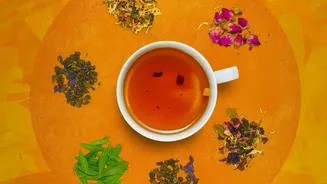
The ingredient list is where the real story of your tea is written. Ingredients are listed by weight, so whatever comes first is the main component. For pure teas, you should see just one thing: 'black tea' or 'green tea'. But for blends, the list gets more interesting. Look for real, whole ingredients like dried ginger, cardamom pods, rose petals, or citrus peel. These add authentic flavour and aroma. Be more cautious when you see the term "natural flavours". While it sounds wholesome, the definition is broad. It means the flavour was derived from a natural source (like a plant or animal), but it can be heavily processed in a lab to create a consistent, strong taste. This is why some fruit-flavoured teas can taste more like candy than actual fruit. It doesn't mean they are 'bad', but if you're seeking an authentic taste, a tea flavoured with real dried fruit pieces will offer a more genuine experience than one relying solely on flavourings. According to FSSAI regulations in India, any added flavouring in tea is capped at 5% of the total product. A short, recognisable ingredient list is often a sign of a high-quality, clean product.
The Search for Hidden Sweetness
High-quality specialty tea is naturally flavourful and rarely needs added sugar to be enjoyable. However, many commercially prepared tea blends, especially those aimed at convenience, contain sweeteners you might not expect. It's crucial to check the ingredient list for more than just spices and herbs. Look for words like sugar, sucrose, corn syrup, or even 'fruit concentrate', which can add significant sweetness and calories. Some brands also use artificial sweeteners. Under FSSAI rules, beverage labels must distinguish between naturally occurring sugars and 'added sugars', giving you a clearer picture of what's in your cup. If you do prefer a sweeter tea, you have many healthier options to add yourself at home. Traditional choices in India like jaggery (gur) and honey ('shahad') add sweetness along with minerals and a distinct flavour. For a zero-calorie option that doesn't impact blood sugar, stevia, an extract from the 'meethi patte' plant, is an excellent choice. By buying unsweetened tea, you control both the type and amount of sweetness, tailoring each cup perfectly to your taste and health needs.
Your Tea Shopping Checklist
With this knowledge, you can approach your next tea purchase with confidence. Here's a simple checklist to keep in mind, whether you're browsing online or in a store. First, check the origin. Is it a single-origin tea from a region you enjoy, like Assam or Nilgiri, or a blend? This will be your biggest clue to its fundamental taste. Second, read the ingredients carefully. Are they whole, recognisable botanicals, or is the flavour coming from added 'natural flavours'? Neither is wrong, but it helps you manage your expectations. Third, scan for sweeteners. If you prefer your tea unsweetened, make sure sugar or syrups aren't hiding in the blend. By paying attention to these three details, you move beyond clever marketing and pretty packaging to make a truly informed choice. This empowers you to select teas that you will genuinely love to drink, turning a simple purchase into a delightful discovery.