



Reinforce Your Home Against the Downpour
Before the heaviest showers set in, your first line of defence is your home. Conduct a thorough check for any cracks in the walls, roof, or window seals where water could seep in. Addressing minor leaks now can prevent major water damage and mould growth
later. It's also wise to inspect external drainage pipes and clear any blockages to ensure rainwater flows away from your foundation. Inside, protect your valuable electronics from unexpected power surges, a common occurrence during thunderstorms, by using surge protectors. Consider lifting expensive furniture or appliances slightly off the floor in ground-floor rooms or basements that are prone to waterlogging.
Plan Your Commute to Avoid Chaos
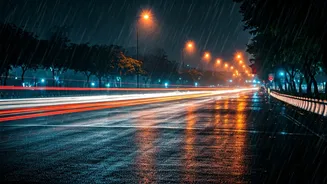
Navigating Delhi-NCR's roads during the monsoon can be a test of patience. Waterlogging turns major arteries into bottlenecks, and travel times can easily double or triple. If possible, adjust your work hours to avoid peak traffic during a downpour. Before heading out, always check real-time traffic updates on navigation apps. The Delhi Traffic Police and other civic bodies often share advisories on social media about waterlogged spots and alternative routes. If you drive, ensure your car is monsoon-ready: check your tyres for good grip, make sure your wipers are effective, and test your headlights and brakes. Driving through waterlogged streets can damage your engine, so if a road looks too flooded, it’s safer to find another way.
Safeguard Your Health from Seasonal Illnesses
The monsoon season is a breeding ground for various infections. Mosquito-borne diseases like dengue, malaria, and chikungunya see a sharp rise. Prevent mosquito breeding by ensuring there is no stagnant water in and around your home—in coolers, flower pots, or open containers. Use mosquito repellents and wear full-sleeved clothing, especially in the evenings. Waterborne diseases like typhoid and gastroenteritis are also common. To protect yourself, drink only boiled or filtered water and be cautious about street food, which may be prepared in unhygienic conditions. Boosting your immunity with a balanced diet rich in Vitamin C can also help your body fight off infections.
Assemble a Monsoon Emergency Kit
Power cuts and the possibility of getting stranded are real concerns during heavy rains. Prepare a simple emergency kit to handle such situations. This should include a powerful torch or emergency lamp, a fully charged power bank for your phone, a basic first-aid kit with antiseptic, bandages, and common medicines. It’s also a good idea to have a stock of non-perishable food items like biscuits and nuts, along with some bottled water. Having these essentials on hand means you won't be caught off guard if you're stuck at home without power or unable to step out due to severe waterlogging.
Stay Informed and Connected
Information is your best tool during the monsoon. The India Meteorological Department (IMD) issues regular forecasts and warnings, which have become increasingly specific, sometimes including red alerts for intense spells. Following official sources for weather updates can help you plan your day and avoid getting caught in severe weather. The government has also encouraged the use of apps like 311 for residents to report waterlogging and other civic issues for faster resolution. Knowing the forecast and staying aware of official advisories ensures you can make safe and informed decisions for yourself and your family.