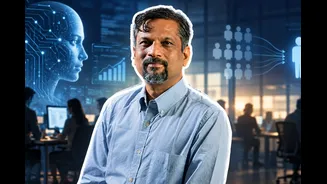







For decades, a degree from a reputable college was the golden ticket for freshers entering India's job market. That era is fading as companies rewrite the hiring playbook, prioritising what a candidate can do over what their certificate says.
From Pedigree to Practicality
The long-standing
tradition of using college reputation and academic scores as the primary filter for recruitment is proving insufficient in today's fast-paced economy. Many employers report that even graduates from top institutions require extensive on-the-job training before they become productive. This reality, coupled with rapid technological disruption, is forcing a strategic pivot. Companies are realising that a degree doesn't always guarantee job readiness. The modern workplace demands employees who can solve real-world problems and contribute from day one, prompting a move away from the 'degree-first' model that once dominated campus placements.
The Driving Forces Behind the Shift
Several factors are accelerating this change. A significant 'skill gap' exists between what academic curricula teach and what industries need. Employers report difficulty finding candidates with the right skills, even with millions of graduates entering the workforce annually. The rise of automation and AI is another major driver; tasks that once occupied entry-level employees are now being automated, increasing the demand for higher-order skills. Consequently, companies are adopting a more targeted investment approach to hiring, moving away from the bulk recruitment models of the past. This new strategy focuses on identifying candidates with specific, demonstrable competencies who can navigate a dynamic, tech-driven environment.
The New Hiring Playbook in Action
So, how are companies evaluating skills? The methods are diverse and practical. Instead of relying solely on resumes, recruiters are using a range of tools to get direct evidence of a candidate's abilities. Technical roles in the IT and SaaS sectors now commonly involve coding assessments and take-home assignments. For other roles, employers use online assessment platforms like HackerRank, Mettl, and TestGorilla for aptitude, psychometric, and situational judgment tests. Hackathons, case study competitions, and project-based internships are also becoming standard practice, serving as effective filtering mechanisms before a final offer is made. This hands-on approach allows employers to see how a candidate thinks and performs, offering far more insight than a grade sheet.
What Skills Are in Demand?
The demand is for a blend of hard and soft skills. On the technical side, expertise in areas like AI/ML, data science, cloud computing, and cybersecurity is highly sought after, often commanding salary premiums of 20–25%. Certifications from platforms like Google, IBM, and Microsoft are gaining significant weight, with many employers willing to offer higher starting salaries to candidates who possess them. However, technical prowess alone isn't enough. Companies are placing a huge emphasis on 'composite capabilities', which include professional or soft skills. These include critical thinking, problem solving, communication, adaptability, and collaboration—abilities that are crucial for navigating workplace challenges and contributing to team success.
What This Means for India's Graduates
This shift represents both a challenge and an opportunity for fresh talent. On one hand, it democratises the hiring process. A student from a Tier–2 or Tier–3 college with a strong portfolio of projects and relevant certifications can now compete effectively with a graduate from an elite institution. The focus is on proven ability, not pedigree. On the other hand, the onus is now squarely on students to look beyond their curriculum. Building a portfolio, participating in hackathons, securing internships, and earning industry–recognised micro–credentials are no longer optional extras ; they are essential for demonstrating job readiness. The message from the industry is clear : a degree is still important , but it is the skills you build alongside it that will ultimately open doors.