


Understanding Earthenware's Appeal
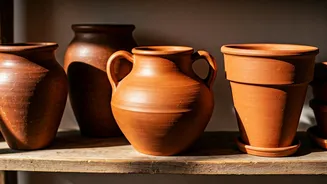
So, what exactly is earthenware? Translating to 'baked earth', it's a type of porous ceramic fired at relatively low temperatures. This process gives it its signature reddish-brown hue and a beautifully imperfect, tactile quality. Incorporating these
pieces into your home is about more than just a trend; it's about embracing biophilic design—the concept of connecting our indoor spaces with the natural world. Natural materials like clay have been shown to reduce stress, improve mood, and create a healthier indoor environment by avoiding the volatile organic compounds (VOCs) often found in synthetic products. The result is a space that feels not only stylish but also restorative and serene.
Start with a Statement Piece
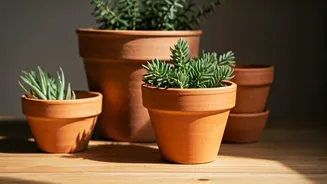
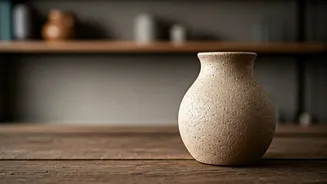
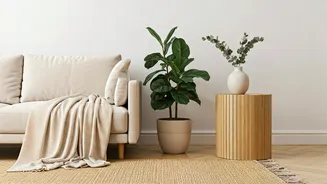
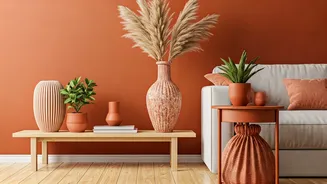
The easiest way to begin is by choosing one or two significant earthenware items to act as focal points. An oversized terracotta pot holding an olive tree or a large fiddle-leaf fig can instantly anchor a corner of your living room. You could also select a large, sculptural vase to place on the floor near a fireplace or sofa. This approach creates a strong visual impact without cluttering the room. The key is to let this single piece command attention, setting a warm, earthy tone for the rest of the space.
Layer with Smaller Accents
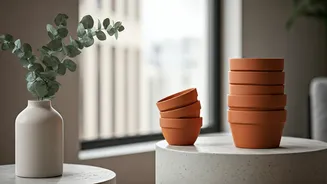
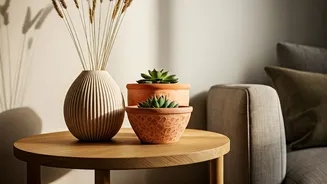
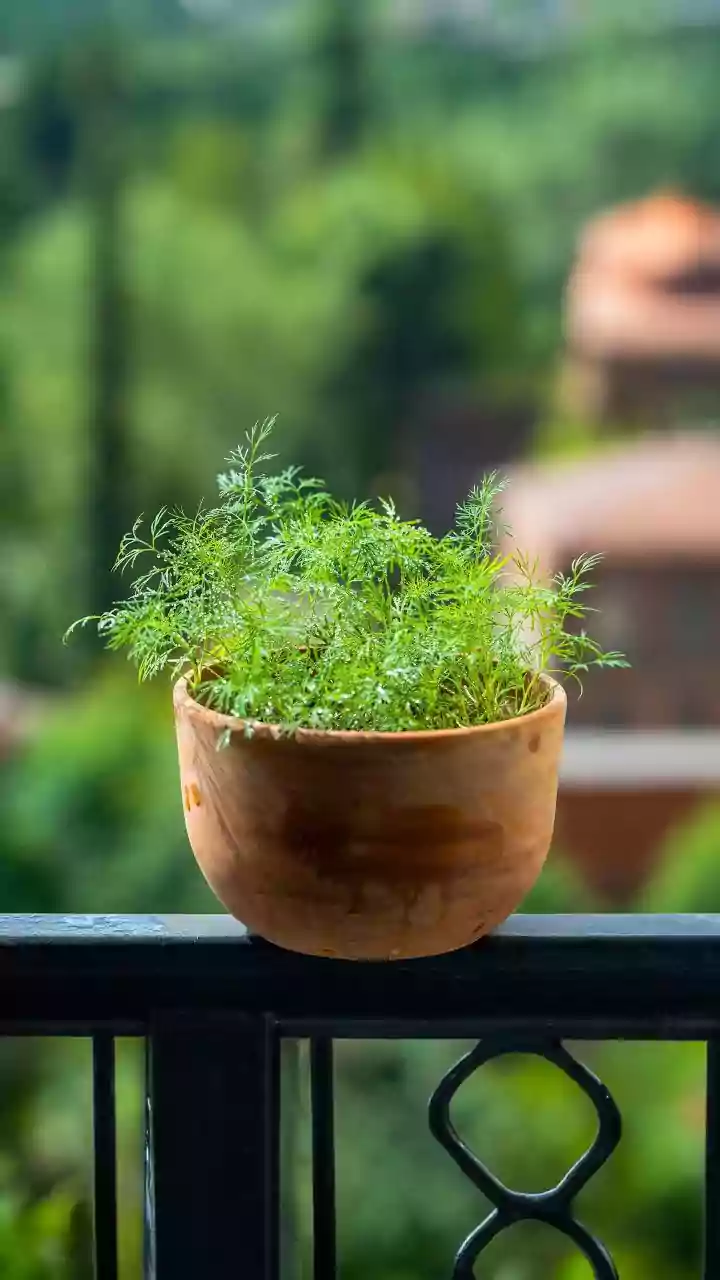
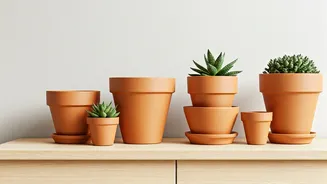
Once you have your anchor, start layering in smaller pieces. Think about the surfaces in your living area: coffee tables, sideboards, and bookshelves are all perfect spots for smaller earthenware accents. A decorative bowl can hold keys or remotes, while a small, rustic pot can house a succulent or serve as a candle holder. Don't be afraid to mix and match. A collection of small vases or a stack of terracotta saucers on a shelf can add personality and a curated feel. These smaller touches help to carry the natural theme throughout the room, creating a cohesive look.
Play with Texture and Finish
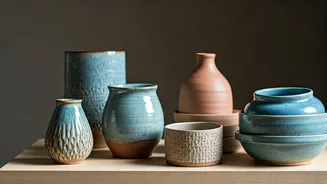
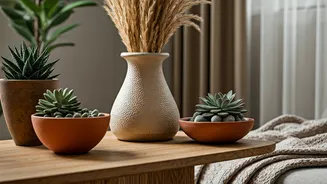
Earthenware isn't a monolith; it comes in a variety of textures and finishes. Some pieces are raw and matte, while others have a smooth, glossy glaze. Mixing these finishes adds depth and interest to your decor. Pair a rough, unglazed pot with a sleek, glazed ceramic bowl. The contrast between smooth and tactile surfaces is visually engaging and keeps the look from feeling flat. This textural play is fundamental to creating a rich, layered interior.
Group for Greater Impact
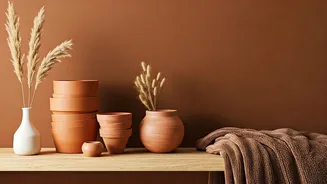
While a single piece can be a statement, grouping earthenware items together creates a powerful visual narrative. When arranging a collection on a shelf or console table, think in odd numbers, like threes or fives, which is often more appealing to the eye. Vary the height and shape of the objects to create a dynamic flow. A common technique is to place the tallest item towards the back and arrange smaller pieces in front. You can group items by a similar colour for a calming effect or mix different earthy tones for a more eclectic, global-inspired vibe.
Harmonize with Your Colour Palette
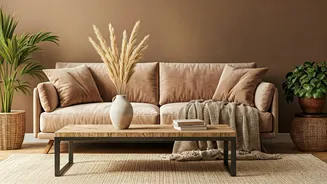
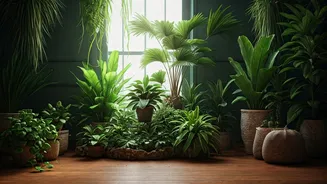
Terracotta's warm, reddish-brown hue is surprisingly versatile. It pairs beautifully with a wide range of colours. For a calm and soothing atmosphere, combine earthenware with soft neutrals like cream, beige, and off-white. This allows the texture of the pottery to stand out. For a bolder look, contrast terracotta with deep blues or woodland greens; the green from houseplants is a natural and perfect complement. By considering your existing colour scheme, you can ensure your new earthenware pieces feel integrated and intentional.