

Why Humidity Wreaks Havoc on Your Gut
During humid weather, particularly the monsoon season, many people report a rise in digestive complaints like bloating, acidity, and general discomfort. High humidity can affect your body's ability to regulate its internal temperature, sometimes slowing
down metabolism as it works harder to cool itself. This can lead to that heavy, sluggish feeling after meals. Furthermore, the damp environment is a breeding ground for bacteria and other pathogens, increasing the risk of food and water contamination that can lead to infections, diarrhoea, and gastroenteritis. This makes maintaining a healthy gut, filled with beneficial bacteria, more important than ever.
The Probiotic Secret of Traditional Pickles
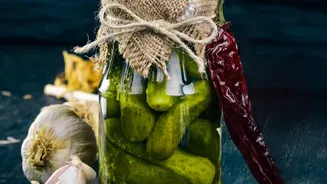
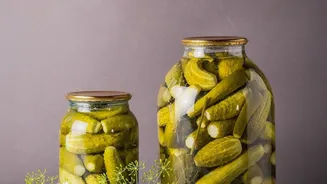
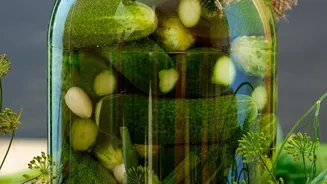
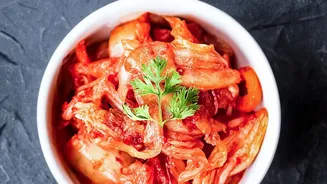
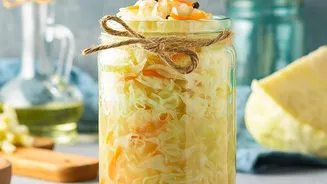
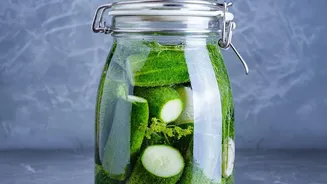
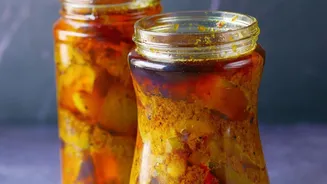
When we talk about gut health, we’re often talking about probiotics—live beneficial bacteria that support a healthy digestive system. While yoghurt and buttermilk are well-known sources, many traditional Indian pickles, or achaars, are also teeming with them. The magic lies in the traditional preparation method: lacto-fermentation. When vegetables or fruits are preserved in a salt brine, without vinegar, it creates an environment where beneficial bacteria like Lactobacillus can thrive. These bacteria break down the natural sugars in the ingredients, producing lactic acid. This not only preserves the pickle and gives it a characteristic tangy flavour but also creates a food rich in natural probiotics.
Not All Pickles Are Created Equal
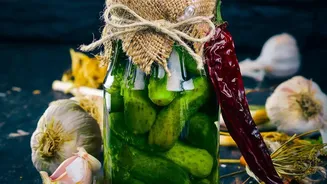
It is crucial to understand that not every pickle you find is a probiotic powerhouse. Many commercially produced pickles use vinegar and pasteurisation to extend shelf life. The acidity of the vinegar and the heat from pasteurisation effectively kill off the live, beneficial bacteria, nullifying any probiotic benefits. The pickles that offer gut support are the unpasteurised, naturally fermented ones, often made at home using age-old recipes. These are typically preserved in salt and sometimes oil, allowing the fermentation process to occur naturally over time. So, when seeking gut benefits, homemade or traditionally made achaars are your best bet.
Which Pickles to Choose?
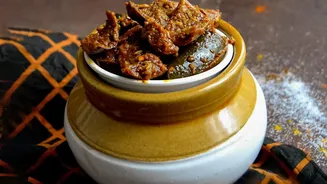
To get the probiotic benefits, look for pickles made from vegetables like mango, lemon, carrot, cauliflower, and chilli, prepared through traditional fermentation. The process typically involves mixing the main ingredient with salt, spices like turmeric, mustard seeds, and fenugreek, and then allowing it to cure, sometimes in the sun. This method encourages the growth of a variety of helpful bacteria. These pickles are more than just a condiment; they are a functional food that can enhance digestion and support your gut microbiome. Adding a small portion of these pickles to your meals can be a flavourful way to introduce beneficial bacteria into your diet.
Enjoy in Moderation
While homemade fermented pickles can be a wonderful addition to your diet, they are still high in salt and, often, oil. For this reason, moderation is key. A small spoonful accompanying a meal is usually enough to reap the flavour and potential probiotic benefits without overdoing the sodium intake. Think of it as a flavourful, functional garnish rather than a main dish. People with high blood pressure or those on a sodium-restricted diet should be particularly mindful and consult their doctor. The goal is to support your health, and a balanced approach is always the best way forward.