


The Ancient Magic of Fermentation
For centuries, fermentation has been a way to preserve food, enhance flavour, and unlock nutrients. In India, this practice is deeply woven into regional cuisines. The process typically involves beneficial microorganisms like bacteria and yeast, which
break down sugars in food to create lactic acid, alcohol, or gases. This 'good' bacteria helps preserve the food, creates distinctive sour tastes, and can make foods easier to digest. Many popular Indian dishes, from the dhokla of Gujarat to the pakhala of Odisha, owe their unique textures and flavours to this ancient technique.
A Tour of India’s Fermented Delights
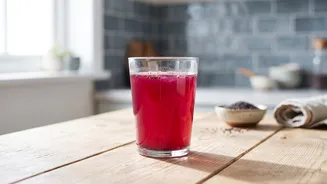
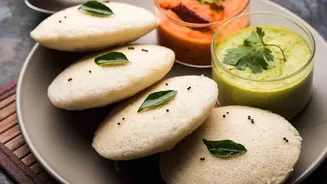
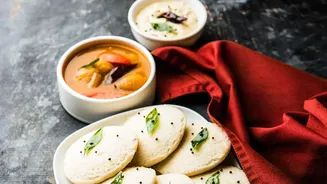
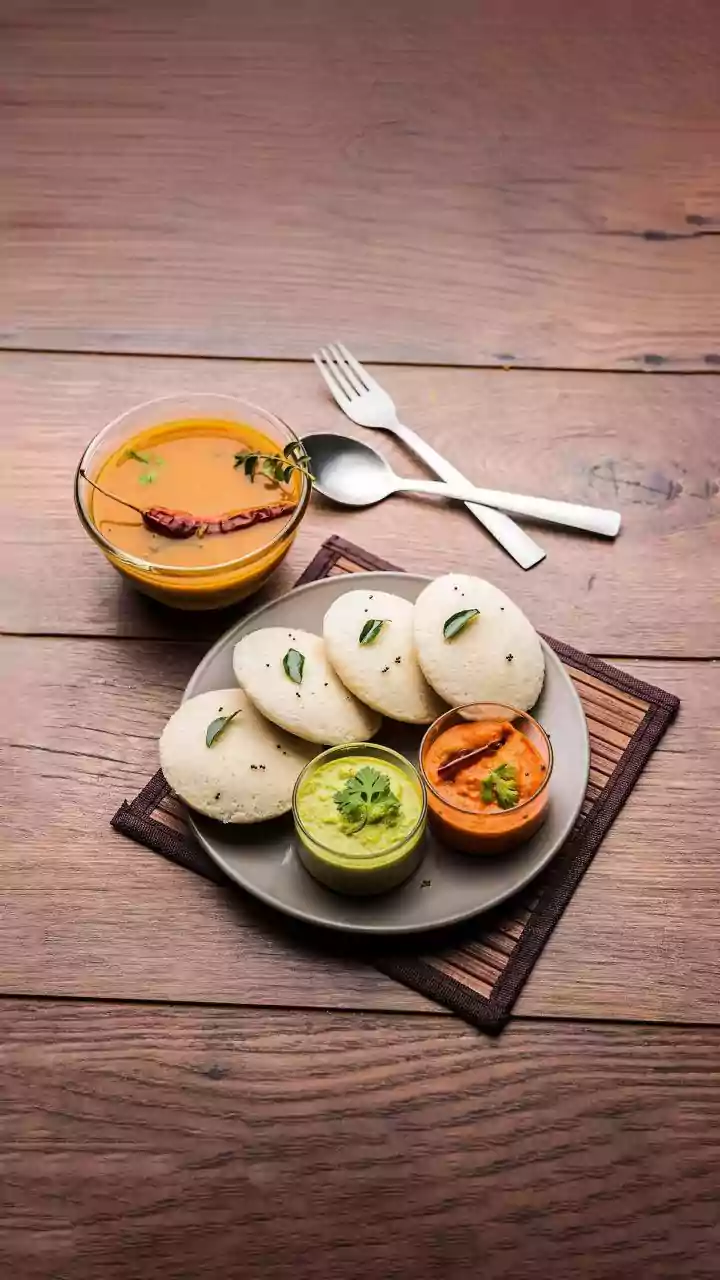
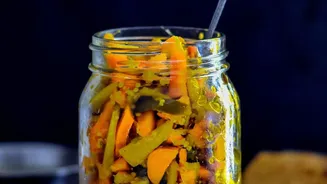
India's fermented repertoire is vast and delicious. South India is famous for its batter-based creations like idli and dosa, made from fermented rice and urad dal. In the West, you'll find dhokla, a savoury steamed cake from a fermented chickpea flour batter. North India offers kanji, a zesty winter drink made by fermenting black carrots or beetroot with mustard seeds. And in the East, panta bhat or pakhala, which is leftover rice soaked and fermented in water, is a cooling staple. Even the most common household staple, dahi (curd), is a product of fermentation and celebrated for its digestive benefits.
Good vs. Bad: Reading the Signs
The key to safe fermentation is knowing the difference between a healthy ferment and spoilage. A healthy fermentation, like in dosa batter, will have a pleasant, tangy sour smell—similar to sourdough or yoghurt. You might see bubbles and a slight rise in volume. However, warning signs of spoilage should never be ignored. A foul, rotten, or chemical-like odour is a clear red flag. The appearance of fuzzy mould in colours like pink, orange, green, or black means the batch is contaminated and must be discarded immediately. Another warning sign is an unusual slimy texture. A good rule to follow is: when in doubt, throw it out.
Your Home Fermentation Safety Checklist
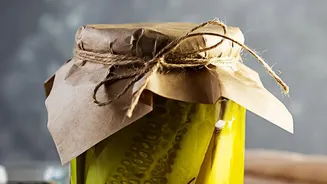
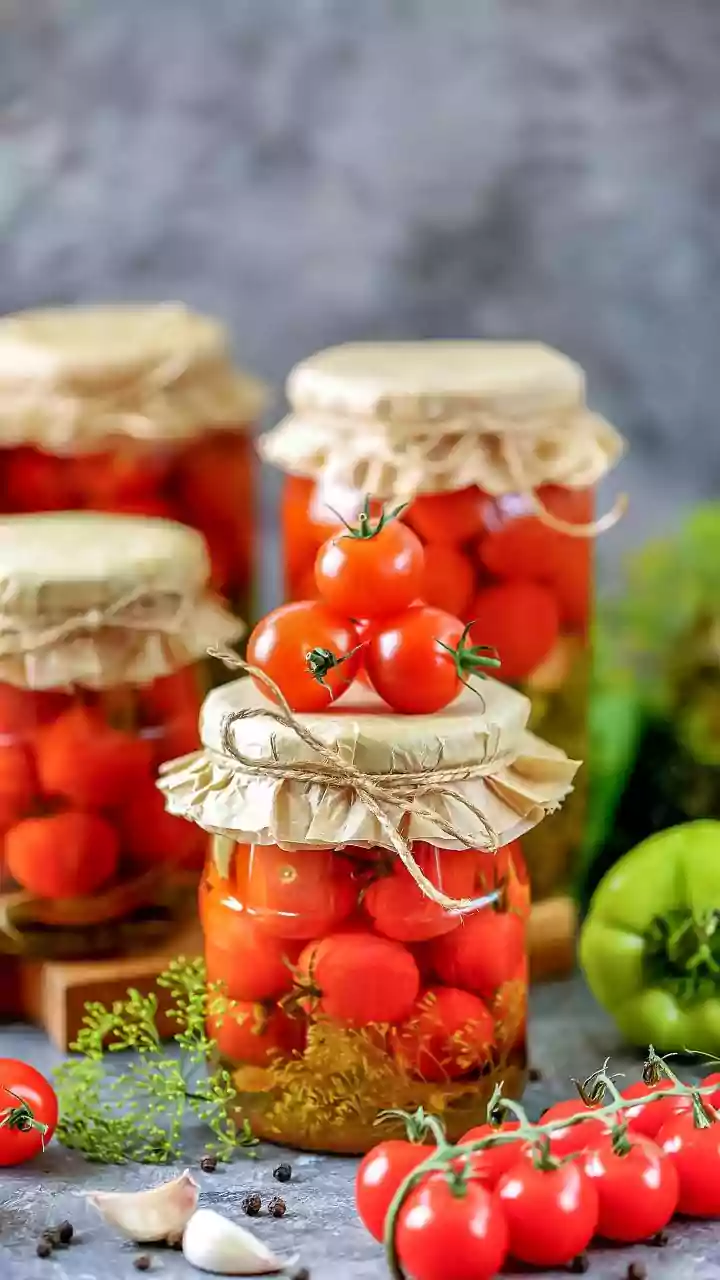
Embarking on your own fermentation journey at home can be rewarding. To ensure safety, always start with a clean environment. Sterilise all jars, lids, and utensils with hot water to prevent harmful bacteria from taking over. Use fresh, high-quality ingredients and filtered or boiled water, as chlorine in tap water can inhibit the growth of good microbes. When fermenting vegetables, ensure they remain submerged beneath the liquid brine to prevent mould growth. It's also crucial to control the temperature; most vegetable fermentations do best between 70 to 75°F (about 21-24°C). Finally, follow a trusted, research-based recipe, especially when you are starting out, as the right proportions of salt and other ingredients are often essential for safety.
Storing Your Fermented Treasures
Once your fermentation is complete—for example, when your kanji has reached the desired level of sourness—proper storage is key to maintaining its quality and safety. Most fermented foods, once ready, should be moved to the refrigerator. The cold temperature slows down the fermentation process, preventing the food from becoming too sour and helping to preserve it for longer. For instance, dosa batter can typically be kept in the fridge for up to a week. Kanji can be safely refrigerated for four to five days. Always store your fermented creations in clean, sealed containers. If you notice any signs of spoilage like mould or an off-smell after storage, it's best to discard the product.