







As cities worldwide rethink their relationship with the car, the dream of a walkable, human-scale street is becoming a reality. But not all pedestrian-friendly designs are the same. Understanding the key differences is crucial for urban progress.
Reclaiming Streets for People
For decades,
urban planning has largely revolved around the automobile, often turning vibrant city centres into congested, noisy, and polluted corridors. But a global movement is pushing back, seeking to reclaim streets for people. This shift towards 'pedestrianisation' is driven by a desire for safer, cleaner, and more socially connected communities. Studies have shown that reducing car traffic can lead to better air quality, increased physical activity, and even a boost for local economies as foot traffic increases. This has led to two main approaches: making streets completely car-free, or redesigning them to give pedestrians the upper hand.
The Absolute: Car-Free Zones
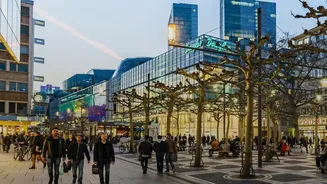
A car-free zone is exactly what it sounds like: an area where motorised vehicles are completely or almost completely banned. These zones are reserved exclusively for pedestrians, cyclists, and sometimes very limited essential traffic like emergency services or delivery vehicles during specific hours. The primary goal is to create a sanctuary from traffic, maximising safety and eliminating vehicle-related noise and pollution. Famous examples include the historic core of Venice, where canals and footpaths are the main arteries, and the central shopping street of Copenhagen, Strøget, one of the oldest and longest pedestrian streets in Europe. These zones offer an immersive pedestrian experience but require significant political will and infrastructure to manage displaced traffic and parking on their perimeters.
The Balance: Pedestrian-Priority Zones
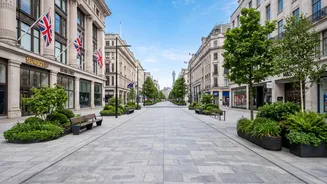
Pedestrian-priority zones, often called 'shared streets' or 'living streets', represent a more integrated approach. Here, cars are not banned but are treated as guests. These zones use clever design cues to slow down traffic and encourage drivers to be more aware of their surroundings. Features often include the removal of kerbs to create a single, shared surface, the use of textured paving, and the strategic placement of street furniture, planters, and play areas. The Dutch 'woonerf' (literally 'living yard') is the pioneering concept behind this model, designed to allow for residential activities to spill out onto the street. Speeds are drastically reduced, often to a walking pace, and pedestrians legally have the right of way everywhere. This design maintains vehicle access for residents and deliveries but fundamentally changes the street's character from a traffic channel to a social space.
Choosing the Right Approach
The choice between making a street car_free versus pedestrian_priority depends on the context. Car_free zones are often best suited for high_density commercial districts, historic centres, or areas with major tourist attractions where eliminating traffic provides the most significant benefit. Places like Barcelona's 'superblocks' and Brussels' vast pedestrianised centre show how this can revitalise a city core on a large scale. Pedestrian_priority zones, however, are highly effective in residential neighbourhoods or mixed_use streets where complete vehicle restriction isn't practical. They offer a flexible compromise, enhancing liveability and safety without completely severing vehicle access. This approach has been successfully implemented in cities from London to Bogotá.
Shared Goals, Different Paths
Despite their differences, both car_free and pedestrian_priority zones share the same fundamental goals: to reduce the negative impacts of cars and create more pleasant, healthy, and economically vibrant urban environments. They encourage active transport like walking and cycling, reduce harmful emissions, and provide valuable public space for communities to gather and interact. Challenges remain, including managing access for people with disabilities, ensuring deliveries can be made, and avoiding displacement of traffic into neighbouring areas. However, successful projects around the world demonstrate that these obstacles can be overcome with careful planning and community engagement.