

Why Are Car Prices Rising Again?
Automakers consistently point to a familiar set of challenges driving the need for these price adjustments. The primary reason cited is the sustained increase in input and commodity costs. This refers to the rising prices of raw materials essential for manufacturing,
such as steel, aluminum, copper, and plastics. The cost of advanced components like semiconductor chips and batteries for electric vehicles (EVs) is also a significant factor. Beyond materials, companies also mention higher operational expenses and broader macroeconomic factors, including inflation and geopolitical uncertainties that affect supply chains. Carmakers state that while they try to absorb these escalating costs, periodic price revisions become necessary to offset the financial pressure and maintain business viability.
Which Brands Are Getting Costlier?
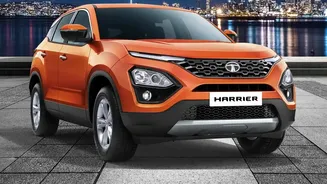
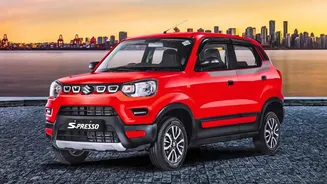
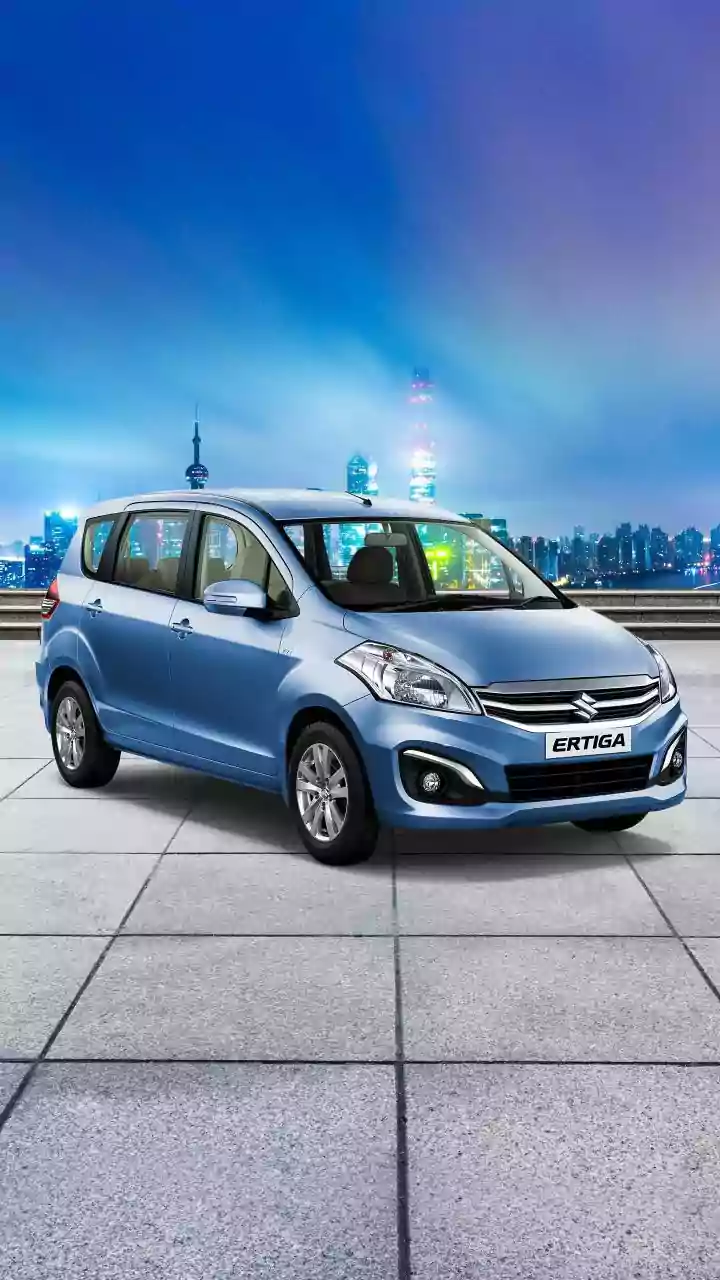
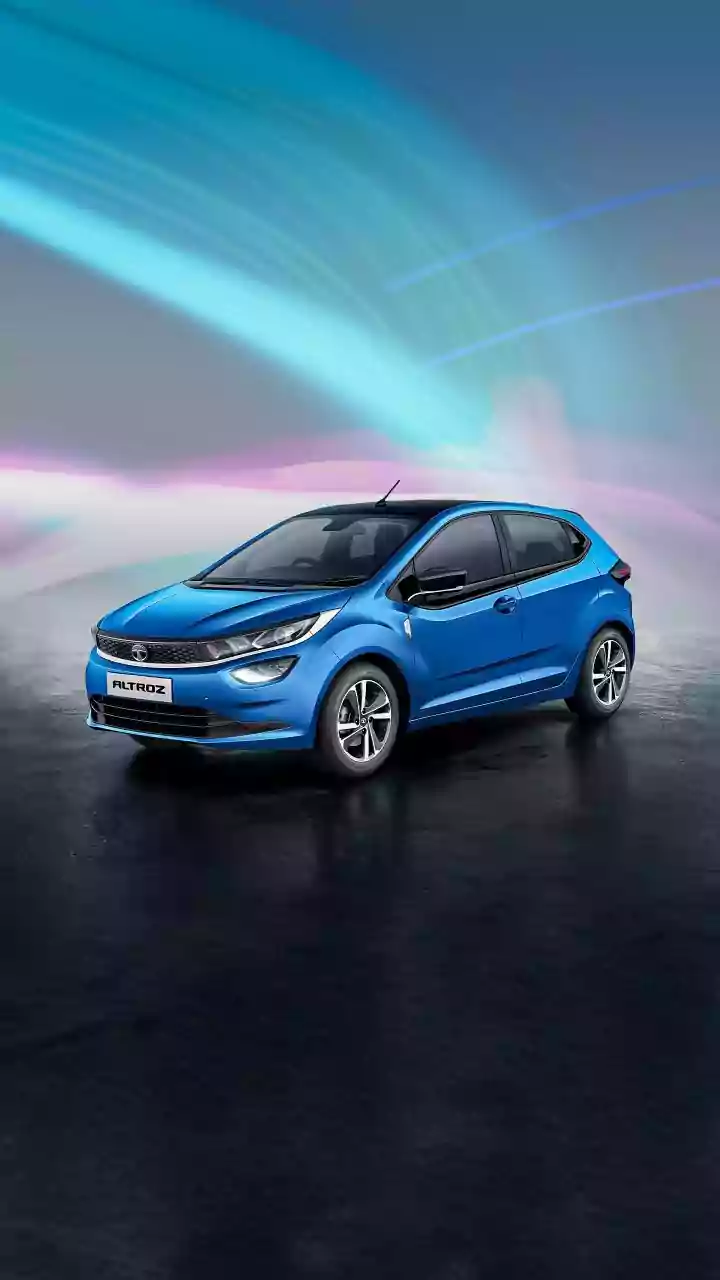
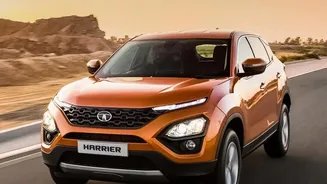
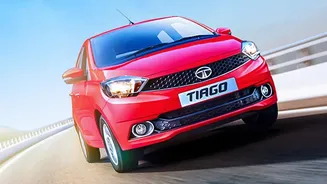
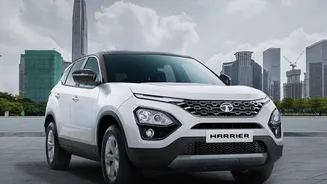
Several major players in the Indian market have confirmed price revisions. Tata Motors announced an increase of up to ₹25,000 across its entire portfolio of passenger vehicles, including both internal combustion engine (ICE) and electric models, starting September 1, 2026. Similarly, Hyundai Motor India will implement a price hike of up to 1% across its full range of vehicles from September. This includes popular models like the Creta, Venue, Exter, and Grand i10 Nios. These announcements follow a recent price increase by Maruti Suzuki, the country's largest carmaker, which raised prices by up to ₹30,000 on some models in August 2026. This pattern indicates a widespread industry trend rather than an isolated move by a single company.
How Much More Will You Pay?
The price increases are not uniform across all models and variants. Manufacturers are implementing variable hikes to ensure specific models remain competitive. Tata Motors has specified a maximum increase of up to ₹25,000. Hyundai has announced a ceiling of 1% on its increase. For a car priced at ₹10 lakh, a 1% hike could translate to an increase of up to ₹10,000. For a ₹20 lakh vehicle, it could be up to ₹20,000. However, the actual increase on a specific variant could be lower, as these figures represent the upper limit. The final on-road price will also be affected, as costs like insurance and registration are often calculated based on the ex-showroom price. Maruti Suzuki's August hike ranged from ₹2,500 on entry-level cars to as high as ₹30,000 on the Baleno.
Is This a Good Time to Buy?
For prospective buyers, the timing presents a classic dilemma. Purchasing a car before September 1 will allow you to lock in the current, lower prices and avoid the hike. This could result in significant savings, especially on more expensive models. However, the impending festive season often brings attractive discounts, special editions, and finance schemes from both manufacturers and dealers to boost sales. The question is whether these future offers will outweigh the announced price increase. Waiting could mean access to better deals or newer model-year vehicles, but it also guarantees a higher base price for cars from brands like Tata and Hyundai. The decision depends on your budget, urgency, and whether the specific model you want is likely to have significant festive offers. It's a calculated risk either way.
Tips for Prospective Buyers
If you are in the market for a new car, here are a few practical steps to consider. First, if you have already decided on a model from a brand announcing a hike, try to finalize your purchase and complete the booking and payment formalities before the end of August. This is the most straightforward way to beat the price rise. Second, talk to multiple dealers. Sometimes, dealers have existing inventory they are keen to sell and might offer their own discounts to close a sale before the new prices kick in. Third, explore models from brands that have not announced an immediate hike, as their pricing may be more stable for now. Finally, keep an eye on announcements for festive season deals. While the base price may be higher in September, a strong promotional offer could still make it a worthwhile purchase.