


Beyond the Button Mushroom
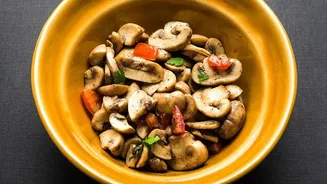
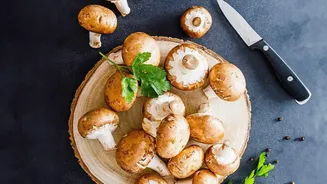
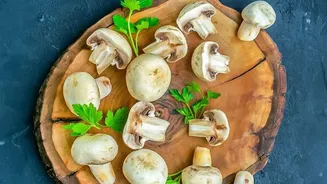
For years, the humble button mushroom dominated the Indian culinary landscape. Available year-round and easy to cook, it became a default for everything from mushroom masala to chilli mushroom. But now, a growing wave of food enthusiasts and home chefs
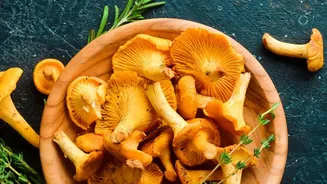
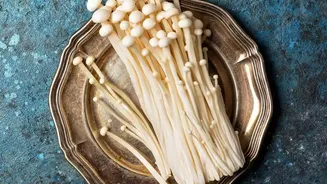
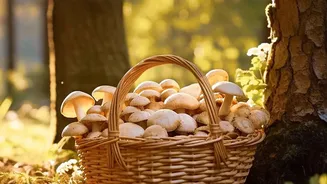
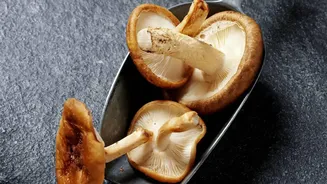
is looking past the cultivated variety and embracing the fleeting, flavourful world of seasonal wild mushrooms. This trend is part of a larger movement towards rediscovering indigenous ingredients, from ancient millets to local greens. The monsoon, in particular, transforms parts of India into a forager's paradise, bringing forth a variety of fungi that are deeply woven into the fabric of regional cuisines. These mushrooms, once primarily consumed by local and indigenous communities, are now finding their way onto urban dining tables, celebrated for their unique textures and earthy flavours.
The Stars of the Season
The most prized of these monsoon delicacies are the Termitomyces mushrooms, which grow on or near termite mounds. In Goa, they are known as 'Almi' or 'Olmi' and their arrival is a major culinary event. Goan homes consider the monsoon incomplete without a dish made from these fleshy, flavourful fungi. Similarly, in Jharkhand and parts of Odisha, the same type of mushroom, known locally as 'Rugra' or 'Putu', is so highly valued for its meaty texture that it's often called 'vegetarian mutton'. In the Himalayan foothills, the monsoon brings forth the famed 'Gucchi' or morel mushrooms, known for their spongy, honeycomb texture and distinct flavour, making them one of the most expensive mushrooms in the country. These are just a few examples of the diverse wild fungi being explored, each with a unique profile that lends itself to different preparations.
A Taste of India's Regions
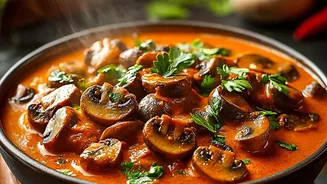
The real magic happens when these mushrooms are prepared using traditional recipes that have been passed down through generations. In Goa, the 'Almi' are cooked into a rich, coconut-based curry called 'Almyache Tondak' or a Gaud Saraswat Brahmin specialty known as 'Randai', which features a tamarind and red chilli base. They are also simply stir-fried into a 'sukke' or coated in semolina and pan-fried as 'rava fry', a popular substitute for fish during the non-fishing monsoon months. In Kerala, wild mushrooms are incorporated into 'thoran' (a dry dish with coconut) or creamy stews. In the north, the prized Gucchi mushrooms are often used to make a luxurious 'Gucchi Pulao', where their earthy flavour can truly shine. South Indian kitchens are also experimenting, creating spicy mushroom pepper fries and rich, tangy 'kuzhambu' gravies.
Why the Renewed Interest?
Several factors are driving this culinary revival. The broader trend of clean, organic, and sustainable eating has made consumers more interested in seasonal and locally sourced produce. There's a growing sense of nostalgia and a desire to reconnect with culinary roots, leading people to explore forgotten family recipes and regional food traditions. Social media platforms and food blogs have also played a significant role, making regional recipes and information about rare ingredients more accessible than ever before. As home chefs become more confident and experimental, they are actively seeking out unique flavours that tell a story, and the wild mushrooms of the Indian monsoon offer a perfect opportunity to do just that.
From Forest to Kitchen, Safely
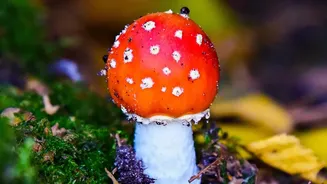
The allure of wild mushrooms also comes with a critical note of caution. Foraging for mushrooms without expert knowledge is extremely dangerous, as many poisonous varieties look similar to edible ones. Indigenous communities possess generations of knowledge about identifying, harvesting, and even preparing certain mushrooms to remove toxins. For the urban home chef, the safest way to participate in this trend is to source these mushrooms from trusted local vendors who are knowledgeable about their produce. In many regions, these seasonal mushrooms are sold in local markets for a short period. They require thorough cleaning to remove mud and debris before cooking. By relying on experienced purveyors, home cooks can safely enjoy the taste of this wild monsoon bounty.