





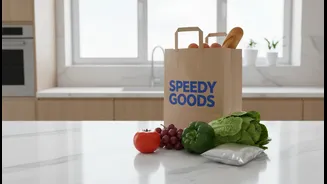


The Dark Side of 10-Minute Delivery
The boom in quick-commerce platforms has transformed urban grocery shopping in India. The convenience is undeniable, but it has introduced new risks. Recent actions by the Food Safety and Standards Authority of India (FSSAI) highlight growing concerns.
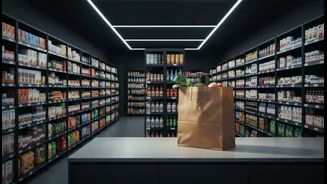
In mid-2026, the FSSAI issued multiple notices to major platforms like Swiggy Instamart following consumer complaints about receiving expired, rotten, and contaminated products. Incidents have included fungal growth on food items, expired products mixed with fresh stock, and unhygienic conditions in the 'dark stores'—the small warehouses that power these rapid deliveries. These issues underscore the reality that while speed is a priority for these companies, safety can sometimes be an afterthought.
Check 1: The 'Best Before' Date
This is the most critical check, yet one that platforms often make difficult. A recent survey found that nearly half of online grocery shoppers could not find the 'best before' or expiry date on packaged products before buying. While regulations require this information to be displayed, compliance is inconsistent. FSSAI rules also stipulate that products should have at least 30% of their shelf life or 45 days remaining at the time of delivery. Upon receiving your order, immediately check the dates on all packaged items like milk, bread, yogurt, and processed foods. Bread, for instance, has a short shelf life, and receiving a loaf with only a day left is a common complaint. Refuse any item that is past its expiry date or too close to it for your comfort.
Check 2: Inspect Fruits and Vegetables
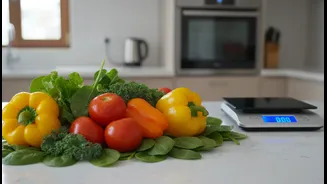
Without the ability to personally select your produce, you are relying on the store's picker. This is where many quality issues arise. When your order arrives, give your fresh produce a quick but thorough inspection. Look for obvious signs of spoilage like mushy or soft spots, a slimy texture, or visible mold. Discoloration is another key indicator; leafy greens should be vibrant, not turning black or limp. Tomatoes and peppers should have taut, shiny skin, not wrinkled, which signals moisture loss. Trust your senses—an off, fermented, or unpleasant odor is a clear sign that the produce is no longer fresh.
Check 3: Examine Packaging and Seals
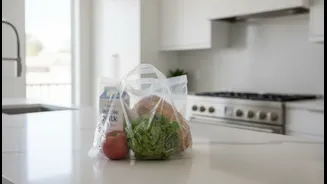
The integrity of the packaging is crucial for food safety. Check for any signs of damage. For items in jars or bottles, ensure the safety seal is intact. A broken seal means bacteria could have contaminated the product. For packaged goods, look for torn wrappers, crushed boxes, or swollen packaging. A swollen can or pouch can indicate gas production from bacterial fermentation, a serious red flag for spoilage. This is especially important for sensitive items like dairy products, juices, and ready-to-eat meals. A compromised package should always be rejected, as it's impossible to know how the contents have been affected.
Check 4: Feel the Temperature
For perishable items like milk, cheese, yogurt, and meat, temperature control is non-negotiable. These products must remain in a cold chain from the dark store to your doorstep to prevent bacterial growth. When your delivery arrives, feel these items immediately. They should be cool to the touch. If a carton of milk or a packet of paneer feels lukewarm or at room temperature, it's a significant food safety risk. Poor temperature control is a common violation found in dark store inspections. Do not consume perishable items that have not been kept properly chilled.
What to Do When You Find a Problem
If your order contains spoiled, expired, or damaged goods, take immediate action. Use the app to report the issue right away, providing photos as evidence. Most platforms offer a refund or replacement for substandard items. However, a simple refund doesn't always address the underlying safety issue. For serious or repeated violations, you can escalate the matter. Consumers can file complaints directly with the FSSAI through its helpline or the Food Safety Connect app. The National Consumer Helpline is another avenue for grievance redressal. Your feedback not only helps you get your money back but also contributes to the pressure on these companies to improve their standards.