






The Off-Season Is No Longer Off
For years, the Indian travel calendar was predictable: peak season during winter and summer holidays, and a definite slump during the monsoon months from June to September. Hotels in leisure destinations would see occupancy plummet, forcing them to offer
deep discounts just to keep the lights on. Today, that clear line between 'peak' and 'off' season is blurring. Destinations like Goa, Kerala, and hill stations across the country are reporting a significant uptick in monsoon travel. In fact, some hotels are seeing booking growth of nearly 10% year-on-year for July, with searches for destinations like Goa surging even compared to the peak summer season. This isn't a fluke; it's a fundamental shift in how, when, and why we travel.
The New Economics of a Rainy Day
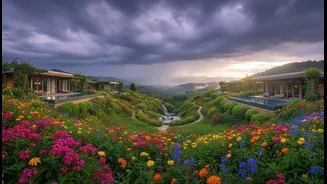
So, what changed? For one, the hotel industry got smarter. Instead of viewing the monsoon as a liability, they’ve started marketing it as a unique experience—a time of “joyous rains” with lush landscapes and cleaner air. To fill rooms, hoteliers are offering attractive packages that go beyond just a lower room rate. These often include bundled meals, spa credits, or curated local experiences, providing more value for money. While tariffs in pre-Covid times might have dropped by as much as 24% in the monsoon, sustained demand now means pricing is more “resilient,” according to travel platform ixigo. However, compared to the peak winter season, deals offering 25-50% off are still common, making a luxury stay suddenly much more accessible.
The Rise of the Flexible Traveller
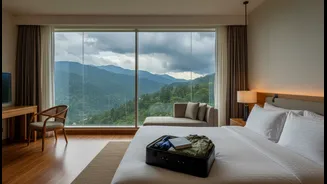
The other side of the equation is the traveller. The post-pandemic rise of remote and hybrid work has untethered a significant portion of the workforce from their office desks. This has given rise to the 'workation' culture, where professionals can blend work with travel, often for extended periods. A recent survey found that a third of travellers now prefer working from natural settings. This new class of traveller isn't bound by traditional holiday schedules. They can take advantage of off-season rates and fewer crowds, turning a long weekend into a week-long stay. This trend is fuelling spontaneous, flexible travel, with some platforms noting that over 80% of bookings are made within 48 hours of departure.
Embracing the Monsoon Magic
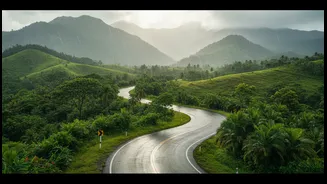
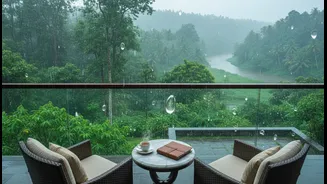
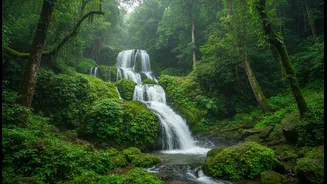
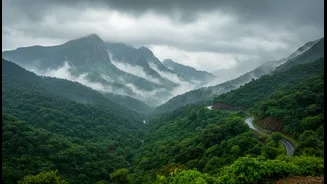
Travellers are also realising that the monsoon isn't something to be avoided, but embraced. The rains transform landscapes, turning destinations like Coorg, Munnar, and Wayanad into misty, green paradises with waterfalls in full flow. Even Rajasthan's 'City of Lakes', Udaipur, takes on a romantic, misty charm. It's a chance to see a different, quieter, and often more authentic side of India. The experience is shifting from just visiting a place to enjoying the atmosphere—the cool weather, the earthy scent of wet soil, and the simple pleasure of enjoying a cup of chai while watching the rain. This has led to the rise of experience-led travel, where the journey and its unique moments are as important as the destination itself.
How to Find the Best Deals
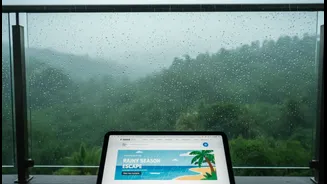
While deals are plentiful, finding the best ones requires a bit of strategy. Many hotels offer their most attractive packages directly on their websites to encourage direct bookings. Look for all-inclusive deals that bundle accommodation with meals and activities. Websites that aggregate tours and hotel stays can also reveal significant savings, sometimes up to 50% below peak season rates. It's also worth noting that while popular spots like Lonavala are fantastic, they can get crowded with weekend trippers from Mumbai and Pune. For a quieter escape and potentially better value, consider offbeat destinations that become particularly beautiful in the rains, such as Orchha in Madhya Pradesh or Valparai in Tamil Nadu. Always check weather alerts before travelling, especially to hilly areas prone to landslides.