

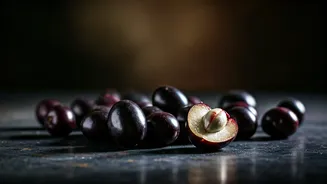
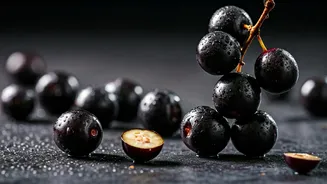


The Arrival of a Seasonal Superstar
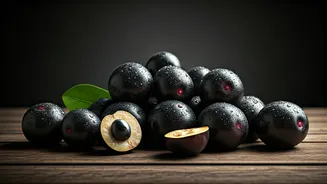
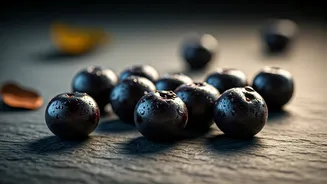
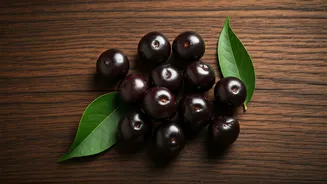
Long before the weather apps confirm it, the arrival of Jamun heralds the real beginning of the monsoon season in India. Suddenly, they are everywhere. Piled high in conical mounds at roadside stalls, nestled in leafy baskets carried by vendors, and filling
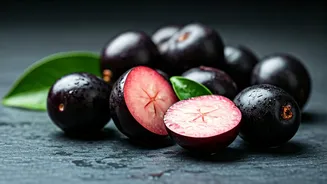
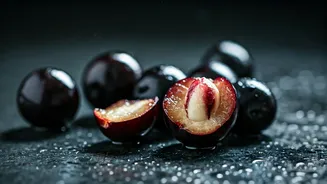
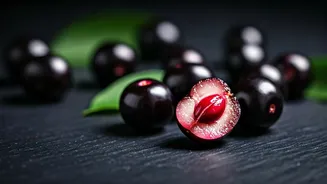
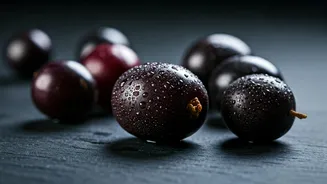
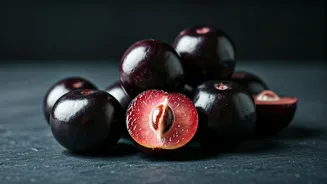
the carts of neighbourhood fruit sellers. The air seems to shift, carrying with it the promise of cool rains and the unique, tart-sweet scent of this beloved fruit. Also known as black plum, Java plum, or Indian blackberry, its appearance triggers a collective, nationwide craving. It’s a short, frantic season, and everyone knows the window to enjoy this dark, glossy gem is brief, making its annual debut all the more exciting.
A Bite of Pure Nostalgia
For many, the appeal of Jamun is deeply rooted in memory. It’s the taste of childhood summers spent trying to climb trees, their branches heavy with fruit. It’s the memory of school holidays, with pockets full of the fruit bought for a few coins, and the inevitable purple-stained tongues and T-shirts that followed. The slight astringency that makes your mouth pucker, followed by a wave of sweetness, is a flavour profile etched into the collective consciousness. Sprinkling a pinch of black salt on a handful of Jamuns is a shared ritual, a simple act that enhances the flavour and connects generations. This isn't just a fruit; it's a time machine, transporting us back to simpler, sunnier days with every bite.
The Purple Powerhouse of Health
Beyond the nostalgia, Jamun has earned its modern-day fame as a nutritional powerhouse. It is particularly noted for its potential benefits in managing blood sugar levels, which has made it a subject of interest in wellness circles. The fruit contains compounds like anthocyanins, ellagic acid, and certain alkaloids that are believed to contribute to its anti-diabetic properties. Traditionally, its seeds, leaves, and bark have also been used in various remedies. Jamun is also packed with Vitamin C and iron, which can help increase haemoglobin count. Its rich antioxidant content helps fight free radicals, promoting better skin and overall health. This blend of traditional wisdom and scientific validation has cemented its status as a superfood in its own right.
From Street Snack to Gourmet Ingredient
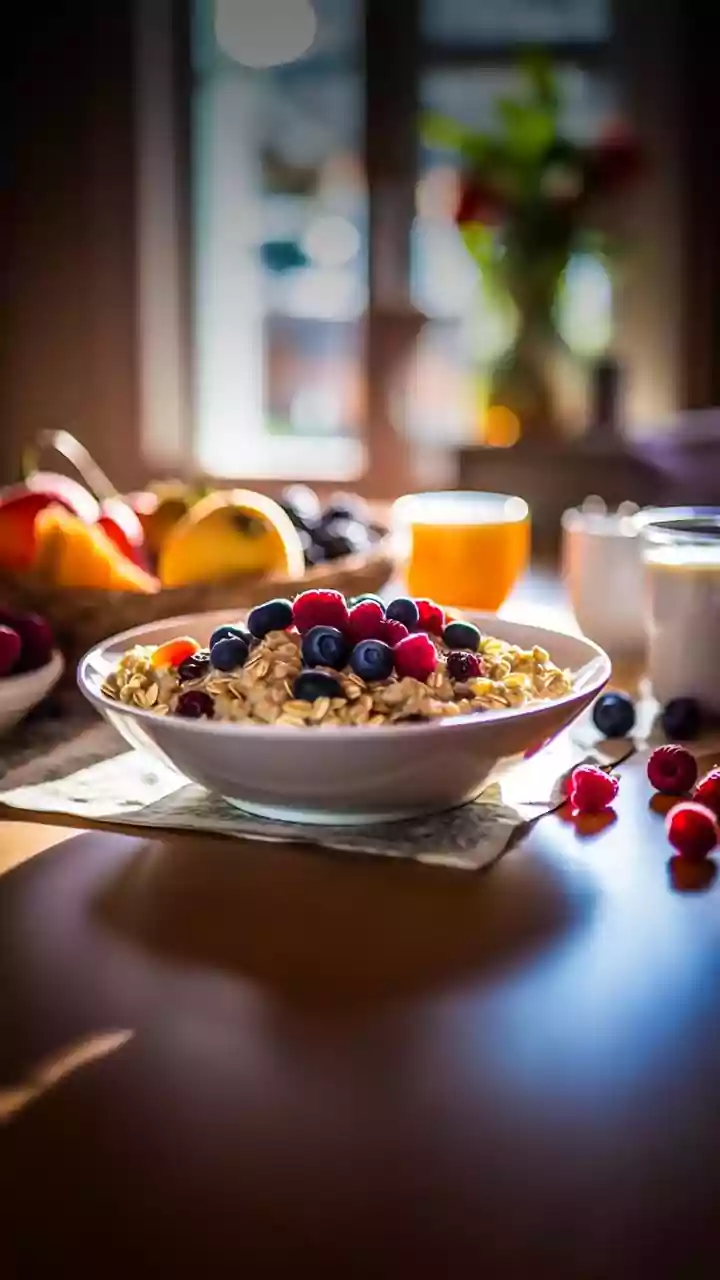
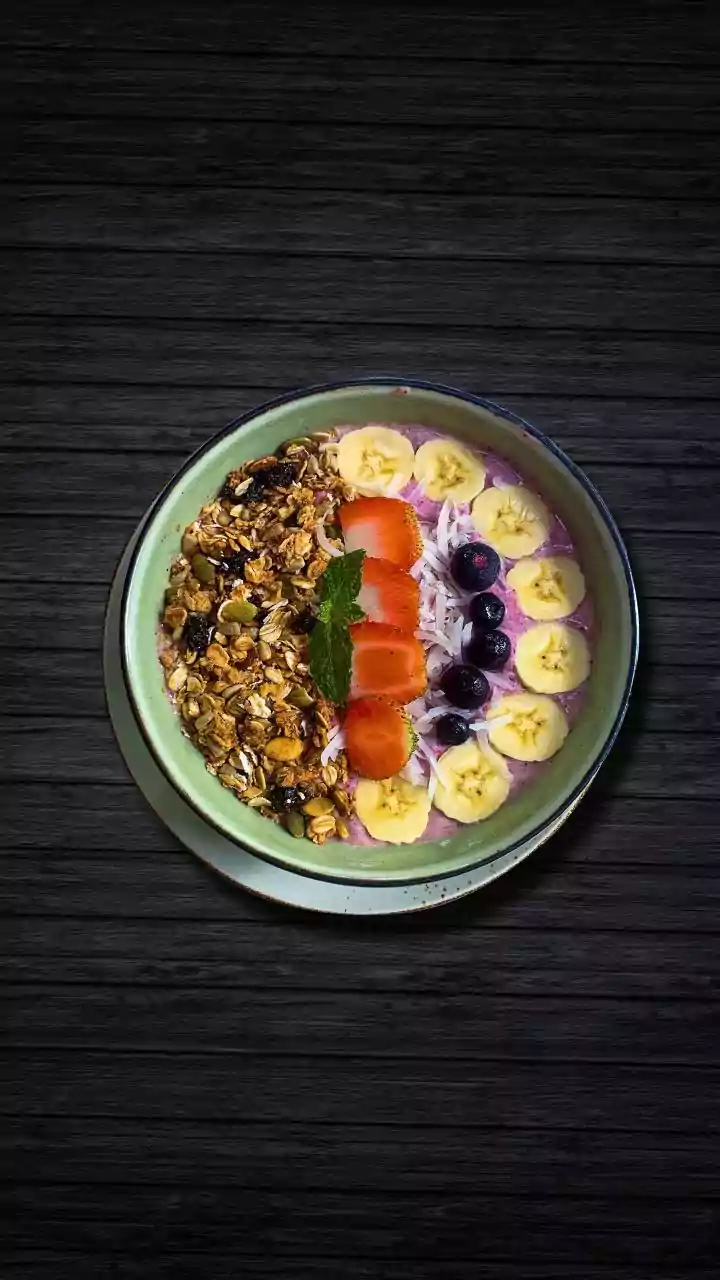
While eating Jamun fresh from a paper cone remains the classic experience, its culinary journey has expanded far beyond the street. Chefs and home cooks are increasingly experimenting with its unique flavour. The striking purple hue and sweet-tart taste make it a fantastic ingredient for a variety of dishes. You can find Jamun in everything from refreshing coolers and kulfis to tangy sauces for savoury dishes. The trendy 'Jamun shot,' a non-alcoholic beverage made from the fruit's pulp, has become a party favourite. Bakeries are creating Jamun cheesecakes, tarts, and mousses, while health enthusiasts blend it into smoothies and breakfast bowls. This culinary evolution proves that Jamun is not just a passing fad but a versatile ingredient that continues to inspire creativity in the Indian kitchen.
Choosing and Enjoying Your Batch
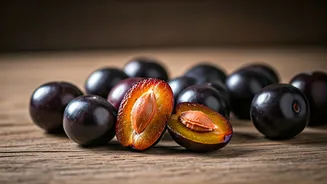
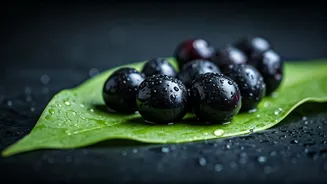
To make the most of the short Jamun season, knowing how to pick the best ones is key. Look for fruits that are plump, firm, and have a deep, uniform purple-black colour. Avoid any that are overly soft, bruised, or have a greenish tinge, as they will be unpleasantly astringent. Since they are highly perishable, it's best to consume them within a day or two of purchase. Store them in the refrigerator, but let them come to room temperature before eating to enjoy their full flavour. Always wash them thoroughly under running water before consumption. Whether you enjoy them with a sprinkle of salt or as part of a new recipe, the key is to indulge while you can.