

More Than a Vacation, It's an Immersion
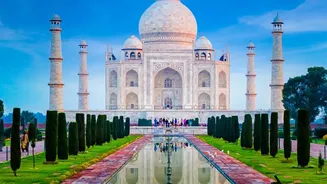
So, what exactly is experience-led or experiential travel? Simply put, it’s the shift from being a passive observer to an active participant. Instead of just seeing the Taj Mahal, it might mean learning about Mughal architecture from a historian. Instead of just dining
at a popular restaurant in Goa, it could involve a cooking class that reveals the secrets of local cuisine. This approach is about immersing yourself in a destination’s culture, lifestyle, and traditions. It transforms travel from a simple sightseeing trip into a journey of personal enrichment, focusing on the quality of the experience over the quantity of sites visited.
The Search for Authentic Connections
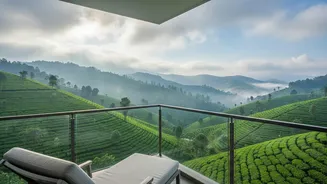
A primary driver behind this momentum is a collective desire for authenticity. In a world saturated with digital content and curated perfection, travellers are searching for genuine connections and real-world interactions. They want to understand the story behind a place, not just see its facade. This means engaging with local communities, learning a traditional craft from an artisan in a Rajasthan village, or staying on a family-run coffee plantation in Coorg. This style of travel creates memories that are deeply personal and meaningful, moving beyond the superficial to foster a true sense of discovery.
The Millennial and Gen Z Effect
Younger generations, particularly Millennials and Gen Z, are at the forefront of this movement. Having grown up in an era of abundance, they often prioritise experiences over possessions. For them, travel is a form of self-expression and personal growth. Studies show that these demographics are more willing to spend on unique and exclusive experiences that enrich their lives and provide a compelling narrative. In India, travellers aged 18-35 are the main force behind this trend, with the Indian experiential travel market projected to reach significant heights. They seek trips that align with their values, including sustainability and cultural respect.
Social Media's Evolving Role
While social media once fuelled a desire for picture-perfect, iconic shots, its role has become more nuanced. Today, the most compelling travel content often showcases unique activities and behind-the-scenes moments rather than just famous landmarks. The 'fear of missing out' (FOMO) now applies to one-of-a-kind experiences—like attending a local festival or mastering a new skill abroad. Platforms like Instagram and YouTube inspire travellers by showing what’s possible beyond the typical tourist trail, encouraging them to seek out shareable stories, not just shareable photos.
A New Way to Discover India
India, with its incredible diversity, is perfectly poised for this travel evolution. The opportunities for immersive experiences are nearly limitless. Travellers can find spiritual solace in Himalayan wellness retreats, trace the journey of spices in Kerala’s backwaters, join wildlife conservation efforts in a national park, or explore the vibrant street art of a bustling metro. This shift is also boosting domestic tourism, as Indians discover the depth and richness of their own country. It’s a move away from the standardised hotel-and-sightseeing package towards a more intimate, memorable, and ultimately more fulfilling way of exploring the world.