






The New Work-From-Mountains Reality
For years, Rishikesh has been a global capital for yoga, spirituality, and adventure. But a new identity is cementing itself: a premier hub for remote workers. The post-pandemic shift to flexible work culture has led many Indian professionals to seek
destinations that offer a better quality of life than the typical urban grind. Instead of navigating traffic, they're starting their days with yoga and ending them with the serene Ganga Aarti. This evolution is driven by a new generation of co-living and co-working spaces designed specifically for professionals who need to stay connected while they disconnect.
The Tech Behind the Tranquility
The primary concern for any digital nomad—spotty mountain internet—is being systematically addressed. Historically, reliable connectivity was a major hurdle. Today, dedicated workspaces and co-living hostels have made significant investments in infrastructure to attract and retain remote workers. Many now feature high-speed, dual-line fiber optic internet with speeds reaching up to 1Gbps, complete with full power backup to ensure that Zoom calls and deadlines are never missed, even during monsoon season. While Wi-Fi in some general cafes can still be unpredictable, these specialized hubs guarantee the robust connectivity that professionals depend on.
More Than Just a Desk
The appeal of these spaces goes far beyond a reliable internet connection. They offer a holistic lifestyle package. Co-living combines accommodation—from shared dorms to private rooms—with shared amenities like communal kitchens, lounges, and dedicated workspaces. Many also integrate wellness into the daily routine, with on-site yoga classes, meditation sessions, and organized community events like group hikes and weekend rafting trips. This model fosters a built-in community, allowing professionals from diverse backgrounds to network, collaborate, and socialize, combating the isolation that can sometimes accompany remote work.
A Workspace with a Spiritual View
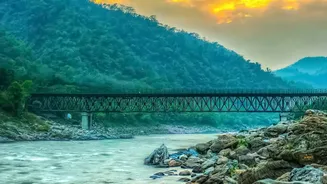
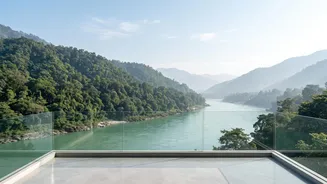
Perhaps the most significant draw is the unparalleled environment. Many co-living spaces and rooftop cafes are strategically located to offer breathtaking views of the Ganges River and the surrounding Himalayan foothills. Professionals can find themselves working from a sunlit terrace overlooking the emerald river, a setting that fosters creativity, focus, and mental clarity. Neighborhoods like Tapovan have become particularly popular for their quieter, upscale atmosphere and concentration of modern cafes and apartments, attracting long-term digital nomads. The ability to trade an office cubicle for a panoramic view of one of India's most sacred landscapes is a powerful motivator.
The Economics of an Elevated Lifestyle
This attractive lifestyle is also surprisingly affordable, especially when compared to the high cost of living in India's metropolitan cities. A comfortable month in Rishikesh, including accommodation, food, and other expenses, can range from ₹40,000 to ₹50,000. Co-living spaces offer flexible packages, with weekly rates for a dorm bed and workspace access starting from around ₹1,500 to ₹3,000, and monthly dedicated desk plans at co-working hubs costing about ₹8,500. This makes Rishikesh a financially viable alternative for those looking to save money without sacrificing amenities or community.