






Go Beyond the Headline Fare
The price you see first is almost never the final price you pay. Budget carriers, in particular, are known for 'drip pricing', where mandatory taxes and surprise fees are added at checkout. When comparing, look at the 'all-in cost'. This includes not
just the base fare but also seat selection fees, booking fees, and other ancillary charges that can quickly inflate the cost of a seemingly cheap ticket. A full-service carrier might appear more expensive initially but could offer better value once you account for the extras that are often included.
Decode the Baggage Allowance
Baggage rules are a major source of hidden costs. For long-haul trips, you'll likely need more than just a personal item. Check each airline's policy for both carry-on and checked luggage. Most international economy tickets include one checked bag of up to 23 kg (50 lbs), but this is not universal. Budget airlines often charge for everything, including carry-on bags that go in the overhead bin. Be aware that many international carriers enforce strict carry-on weight limits, often around 7-10 kg, a rule less common on domestic US flights. Airlines like Emirates and Qatar Airways are known for more generous allowances on international routes.
Prioritise Comfort: Seat Pitch and Width
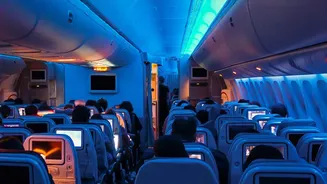
On a flight lasting over eight hours, comfort is not a luxury; it's a necessity. The two most important metrics are seat pitch (legroom) and seat width. Standard economy pitch has shrunk over the years, now averaging 30-32 inches on most major carriers, with some budget airlines offering as little as 28 inches. For long-haul flights, airlines like Japan Airlines, Emirates, and Singapore Airlines often provide a more generous 32-34 inches of pitch. Seat width is just as crucial. An extra inch can make a significant difference in shoulder room. Newer aircraft like the Boeing 787 and Airbus A350 often provide a more comfortable cabin experience with better humidity and lower noise levels, which can reduce jet lag.
Evaluate the In-Flight Experience
The quality of your journey heavily depends on the in-flight experience. This includes meals, entertainment, and service. On long-haul flights, most full-service airlines provide complimentary meals and drinks, while budget carriers will charge for everything. The in-flight entertainment (IFE) system is your best friend on a 12-hour flight. Airlines like Emirates, Qatar Airways, and Singapore Airlines are consistently ranked top for their extensive libraries of movies, TV shows, and music. Wi-Fi is also becoming a standard offering. While some airlines like JetBlue offer it for free, most international carriers provide paid plans, with some offering free messaging services.
Analyse Routes and Layovers
The shortest total journey time is often the best. A cheap flight with a long or inconvenient layover can cost you a full day of your holiday and add unnecessary stress. Check the duration and location of any layovers. A three-hour layover in a modern airport like Doha or Singapore is very different from an eight-hour overnight wait in a small, remote terminal. Also, consider the arrival time. A flight that lands at midnight might require an extra night's hotel booking and expensive late-night transport, eroding any savings on the airfare.
Consider Loyalty Programs
Even if you're not a frequent flyer, it's worth looking at airline alliances. The three major global alliances are Star Alliance, Oneworld, and SkyTeam. Flying with airlines in the same alliance allows you to earn and redeem miles across a wide network of partners. While it might not be your primary decision factor, if two airlines offer a similar price and product, choosing the one that belongs to an alliance you already use can provide long-term benefits and perks like priority boarding or lounge access on future trips.