



An Unprecedented Opening
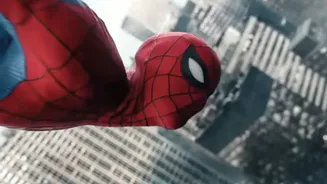
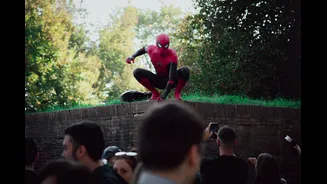
The numbers are staggering. 'Spider-Man: Brand New Day,' the fourth solo outing for Tom Holland's beloved web-slinger, secured the biggest North American opening weekend in history with a haul of $360 million. This figure narrowly surpasses the record
previously held by 2019's 'Avengers: Endgame,' a feat few analysts thought possible in the current climate. Globally, the film amassed an astonishing $932 million, making it the second-largest worldwide debut ever, again only behind 'Endgame.' The performance blew past even the most bullish industry projections, which had anticipated an opening in the $280-$300 million range. This massive success contributed to the highest-grossing weekend ever for the domestic box office, proving that audiences will still turn out in droves.
Why 'National Scale' Was in Doubt
For years, a cloud of uncertainty has hung over the film industry. The rise of streaming services trained audiences to expect major films at home, a habit that the pandemic solidified. Hollywood studios seemed to pivot away from a diverse slate of mid-budget films, focusing instead on a smaller number of massive, pre-existing intellectual properties. This created a more fragile marketplace where the entire industry felt dependent on a handful of tentpole releases. There was a growing fear that the concept of a 'four-quadrant' hit—a film that appeals to all major demographic groups across the country—was becoming a relic of the past. The question was no longer just whether a film could be a hit, but whether any film could again command the nation's collective attention and create a shared cultural moment.
The Spider-Man Blueprint for Success
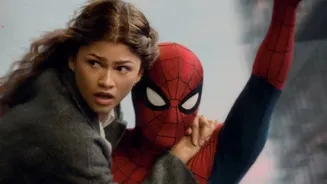
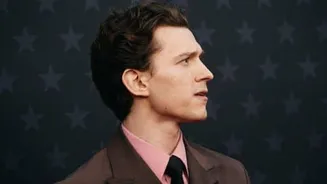
So, how did 'Brand New Day' defy the odds? It wasn't just the Spider-Man logo. The film's success can be attributed to a perfect storm of factors. Firstly, the enduring popularity of Tom Holland, Zendaya, and their on-screen chemistry provided immense star power. Audience polling showed that the cast was a major reason for attendance, separate from just the character itself. Secondly, the film received rave reviews from both critics and audiences, earning a 90% critic score and a 98% audience score on Rotten Tomatoes. Excellent word-of-mouth is crucial in driving turnout beyond the initial fanbase. Finally, the story itself, which explores themes of loneliness and connection, resonated with a broad audience, according to Sony's own leadership. It delivered the spectacle expected of a superhero film while grounding it in a universally relatable human struggle.
A Unifying Event, Not Just a Movie
The success of 'Brand New Day' was amplified by its status as a can't-miss cultural event. Reports from opening weekend described sold-out screenings in cities across the world, creating a sense of scarcity and urgency. This phenomenon, where a film becomes part of the national conversation, is what executives dream of. As one studio head remarked, the event demonstrated something that only movie theaters can do: unite people across different cultures and ages. It's a powerful counter-narrative to the idea that streaming has permanently fragmented audiences. The year 2026 had already been showing strong signs of a theatrical recovery, with a diverse slate of films bringing admissions to post-pandemic highs even before Spider-Man's arrival. This success, however, took it to another level.
A Blueprint or a Perfect Anomaly?
The critical question for Hollywood is whether this is a replicable model or a 'unicorn' event. Spider-Man is arguably one of the most popular characters globally, and this specific iteration has been carefully built over nearly a decade. Not every film has that level of built-in goodwill. Critics of the current studio system argue that the industry has become too reliant on recycling intellectual property instead of investing in original, mid-budget stories that could become the franchises of tomorrow. While 'Brand New Day' proves that event-level scale is still possible, it also highlights the immense pressure placed on these few mega-franchises to sustain the entire ecosystem. The challenge for studios will be to cultivate new properties and stars with the same care, rather than simply hoping for another hero to save the day.