

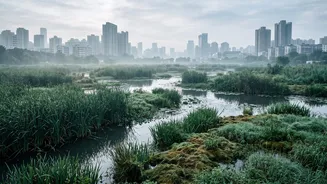
As Indian cities grapple with increasingly intense monsoon flooding, a surprising hero is emerging from nature's own playbook. Urban wetlands, often overlooked, are powerful, living systems that do double duty for our concrete jungles.
Nature’s Sponges in the Concrete Jungle
When heavy rain
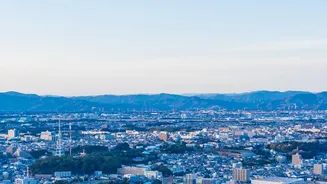
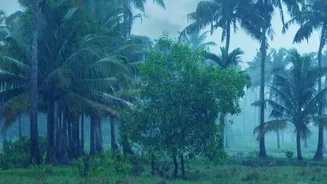
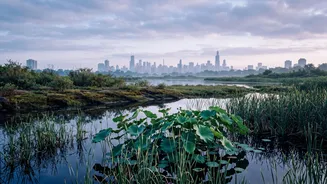
lashes a city, the vast expanses of concrete and asphalt prevent water from soaking into the ground. This overwhelms drainage systems, leading to the familiar scenes of waterlogged streets and inundated homes. Urban wetlands offer a simple yet profound solution: they act like giant, natural sponges. These ecosystems are low-lying areas that can absorb and store enormous quantities of rainwater during a downpour. Instead of rushing into drains, the excess water flows into the wetland, where vegetation slows it down, allowing it to be released gradually. This process reduces the peak flow of water, giving civic infrastructure a fighting chance and significantly mitigating the severity of floods. By letting water sink into the soil, they also play a crucial role in replenishing groundwater levels, a vital service for water-stressed cities.
A Surprising Haven for Feathered Visitors
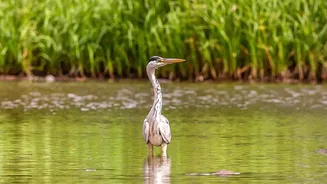
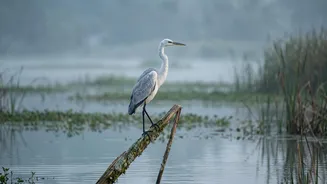
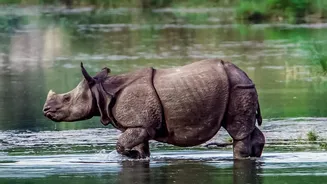
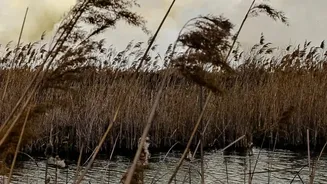
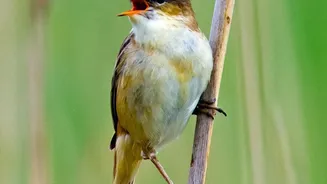
Beyond flood control, urban wetlands are buzzing hubs of biodiversity in otherwise sterile cityscapes. For thousands of migratory birds, these wetlands are critical stopover points on their long-haul flights across continents, such as along the Central Asian Flyway which covers much of India. Species like the Bar-headed Goose, which flies over the Himalayas, and Northern Pintails from Siberia depend on these resting grounds to feed and recover. A study of ponds in Delhi found they supported nearly 37% of the city's known bird diversity, with a large number being migratory species. These birds are more than just beautiful visitors; their presence is a sign of a healthy ecosystem. They are bioindicators, and a decline in their numbers can signal wider environmental problems like pollution or water scarcity.
Lessons from India’s Wetland Cities
Several Indian cities offer powerful examples of these ecosystems at work. The East Kolkata Wetlands, a Ramsar site of international importance, are perhaps the most famous. This 12,500-hectare area not only acts as a natural flood buffer for Kolkata but also treats a significant portion of the city's sewage—nearly 910 million litres daily—through a unique, natural recycling process that supports fisheries and agriculture. In Chennai, the Pallikaranai Marsh is another critical urban wetland that serves as an aquatic buffer for flood-prone areas. It is a designated Ramsar site that provides a breeding ground for thousands of migratory birds, with over 190 bird species recorded, including the glossy ibis and greater flamingo.
More Than Just Marshes
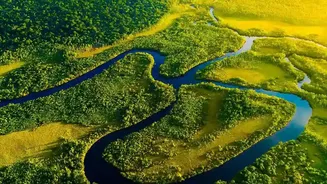
The benefits of urban wetlands extend even further. The vegetation in wetlands acts as a natural filter, cleaning polluted water by trapping sediments and breaking down contaminants. They are also powerful carbon sinks, capturing and storing atmospheric carbon in their soil and plants, which helps regulate the local climate and reduce the urban 'heat island' effect. Furthermore, these green and blue spaces provide much-needed recreational areas for city dwellers, offering opportunities for birdwatching, walking, and connecting with nature, which has proven benefits for mental and physical well being. In places like Kolkata, they also support local livelihoods through fishing and farming, demonstrating a perfect synergy between ecology and economy.
The Challenge of Preservation
Despite their immense value, India's urban wetlands are under severe threat. Rapid, unplanned urbanisation leads to encroachment for real estate and infrastructure, shrinking these vital ecosystems. The Pallikaranai Marsh, for instance, has shrunk to a fraction of its original size over the past few decades. Dumping of solid waste and the inflow of untreated sewage pollute the water, making them inhospitable for the very wildlife they are meant to support. Experts warn that the continued degradation of these natural assets not only destroys precious biodiversity but also leaves our cities far more vulnerable to the dual crises of flooding and water scarcity. Protecting and restoring them is no longer just an environmental issue; it is a critical requirement for urban resilience.