




Why Your Own Wheels Are a Game-Changer
In popular Indonesian hubs like Bali, ride-hailing apps and taxis are plentiful, but they come with drawbacks. Costs can quickly add up, especially for longer trips to remote coastlines. More importantly, they tether you to the main roads and populated
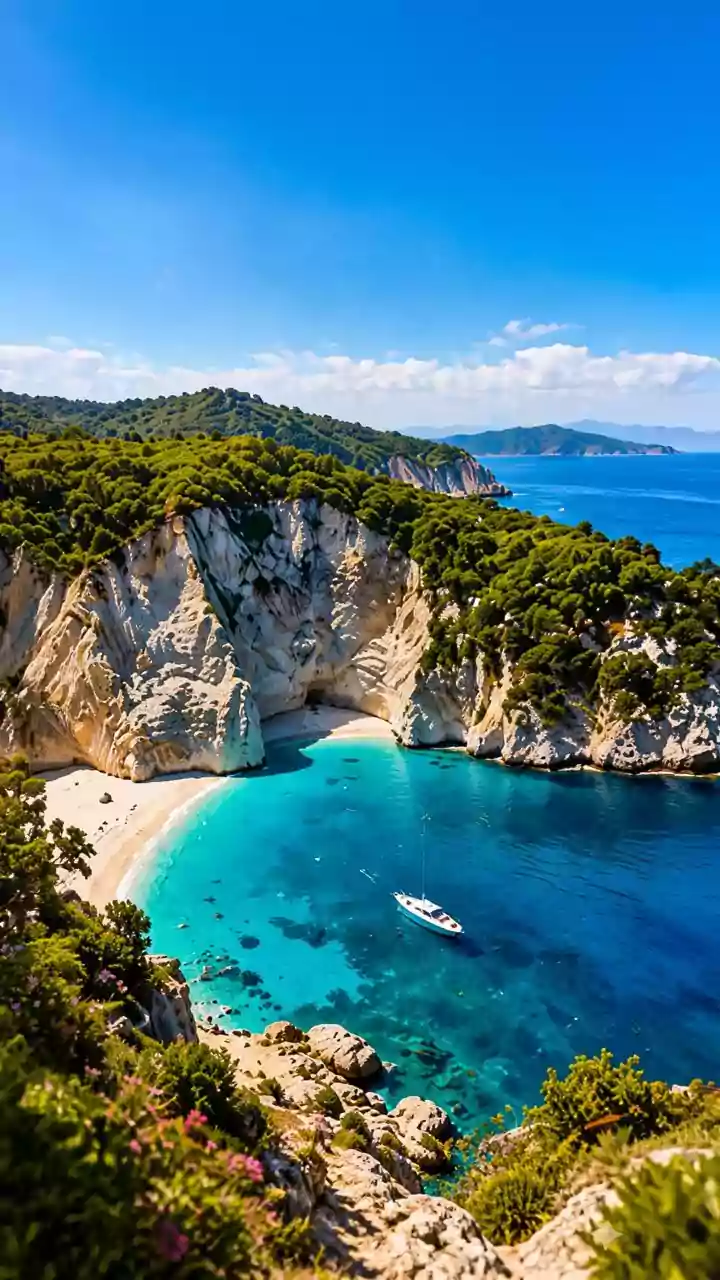
areas. The true magic often lies down the narrow lanes, or 'gangs', that wind through rice paddies and lead to hidden coves inaccessible by car. A scooter grants you the freedom to beat the infamous traffic jams ('macet'), explore at your own pace, and discover spots that aren't listed in every guidebook. It's not just transport; it's the difference between seeing a place and truly experiencing it.
The Nuts and Bolts of Renting a Scooter
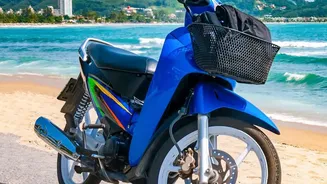
Renting a scooter is straightforward. You can find rental shops on nearly every street in tourist areas, or simply ask at your hotel or guesthouse. Prices are incredibly economical, with daily rates for a standard automatic scooter (like a Honda Scoopy or Vario) typically ranging from IDR 60,000 to IDR 100,000 (about $4 to $6.50 USD). For stays of a week or more, monthly rates offer even better value, often costing as much as just ten daily rentals. To rent legally, you must have both your valid home country's driver's license with a motorcycle endorsement and a corresponding International Driving Permit (IDP). While many local vendors may not ask to see an IDP, riding without one can void your travel insurance and lead to fines during police checks. Always wear the provided helmet, and never leave your original passport as a deposit; offer a photocopy or a cash deposit instead.
Beyond Bali: Where to Find Your Quiet Escape
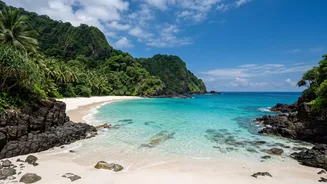
While Bali has its hidden gems like Nyang Nyang or Green Bowl Beach, which require a bit of effort to reach even with a scooter, the best alternatives are often found on neighboring islands. Consider taking a ferry to Lombok, often described as 'Bali 20 years ago'. From the southern hub of Kuta, Lombok, a scooter is essential. Within a 25-minute ride, you can reach Mawun Beach, a quiet, crescent-shaped bay perfect for swimming, or the stunning Tanjung Aan, known for its calm turquoise water and unique 'pepper sand'. For an even more tranquil experience, the Gili Islands (a short boat ride from Lombok) offer a paradise with no cars or motorbikes at all, where the pace of life truly slows down.
The Economics of Exploration
The financial argument for renting a scooter is compelling. A monthly rental can cost between IDR 700,000 and IDR 1,800,000, which breaks down to a daily cost far lower than a single round-trip taxi ride to a distant beach. Petrol is also inexpensive, with a litre costing around IDR 10,000, and a typical day of exploring might only use a litre or two. Parking fees at beaches and attractions are minimal, usually around IDR 5,000-10,000 for a scooter. When you compare this to the cost of organised tours or private drivers, which can run upwards of $50 USD per day, the savings are immense. This affordability allows for more spontaneous and extensive exploration, turning a budget trip into an epic one.
Safety First: Navigating Indonesian Roads
Riding in Indonesia requires defensive driving and constant awareness. Traffic is left-hand drive, and the unwritten rule is that you are responsible for what is in front of you. Use your horn frequently but politely—a short beep lets others know you are there or that you intend to overtake. Always wear a helmet with the chin strap fastened; it's required by law and is the single most important piece of safety gear. Be vigilant for potholes, loose gravel, and unexpected stops from other drivers. If you are an inexperienced rider, consider taking a lesson from a local instructor or starting on quieter roads before tackling the chaotic traffic of hubs like Canggu or Kuta. Finally, ensure your travel insurance explicitly covers motorcycle accidents and that you are complying with its licensing requirements.