



Why Protein is Crucial for Recovery
Every time you engage in strenuous exercise, you create microscopic tears in your muscle fibres. This is a normal part of getting stronger. The recovery process involves repairing these tears, which makes the muscle denser and more resilient. The primary
nutrient responsible for this repair job is protein. Proteins are made up of building blocks called amino acids. When you consume protein, your body breaks it down into these amino acids and uses them to rebuild and strengthen your muscles. Without an adequate supply, recovery can be slowed, and the benefits of your workout may be diminished.
Understanding Complete Proteins
Not all protein sources are created equal. The key lies in their amino acid profile. There are nine 'essential' amino acids that the human body cannot produce on its own and must obtain from food. A food source that contains all nine of these essential amino acids is known as a 'complete protein'. While animal products like meat, eggs, and dairy are naturally complete proteins, most plant-based foods are 'incomplete', meaning they are low in one or more of these essential amino acids. However, some plant foods like quinoa, soy, and buckwheat are exceptions and are considered complete on their own.
The Power of Plant-Based Pairing
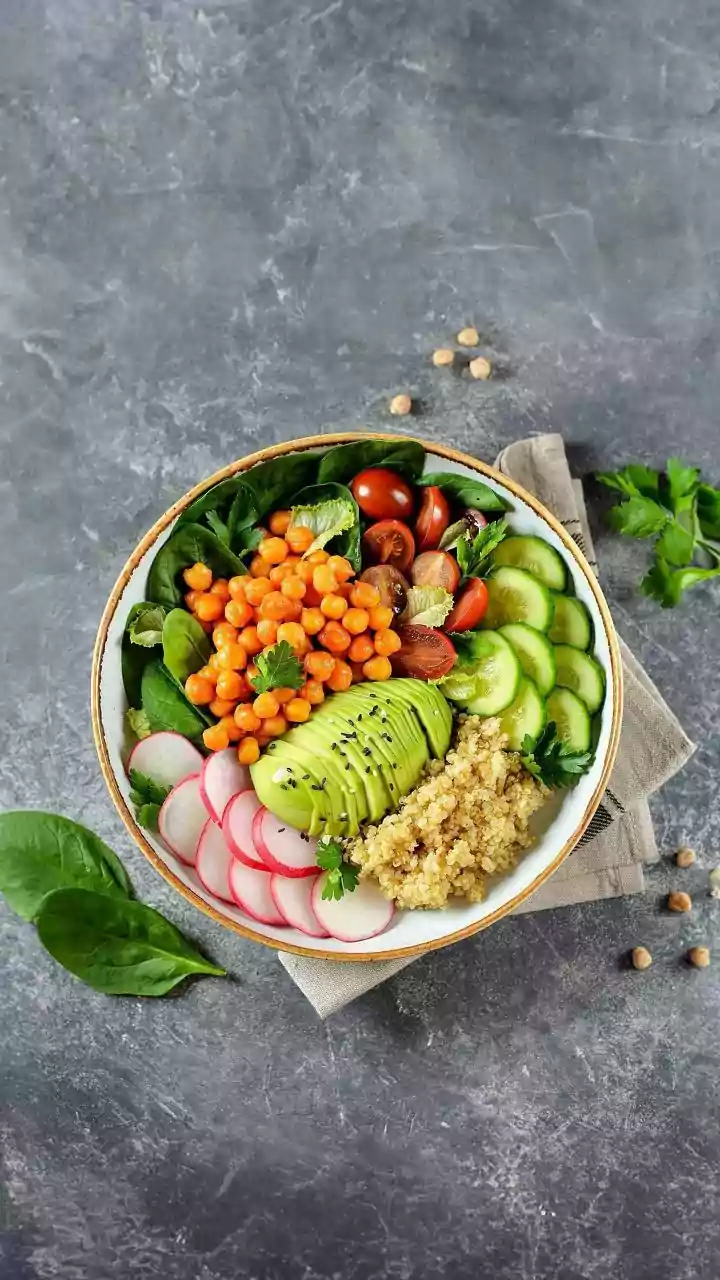
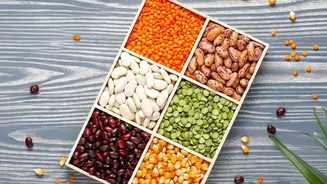
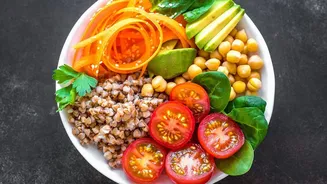
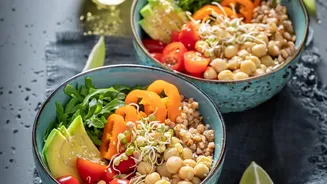
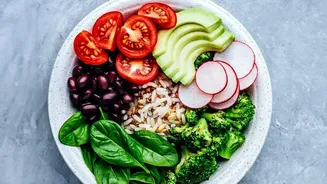
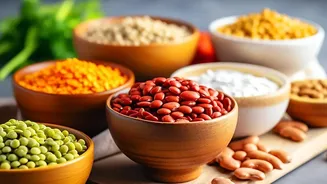
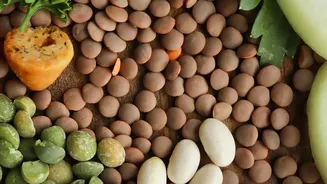
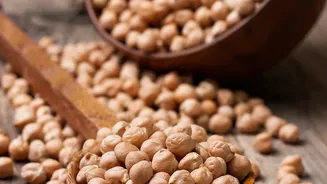
This is where food combining becomes a game-changer for vegetarians. By pairing different plant-based foods, you can easily create a meal with a complete amino acid profile. Whole grains, for instance, are typically low in the essential amino acid lysine but contain ample methionine. Legumes—a family that includes beans, lentils, and chickpeas—are the perfect counterpart; they are rich in lysine but low in methionine. When you eat them together, their amino acid profiles complement each other, effectively providing your body with all the building blocks it needs for muscle protein synthesis and repair.
Classic Combinations for Your Kitchen
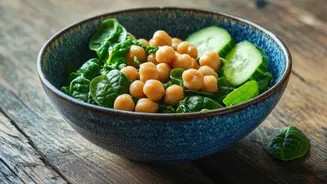
This nutritional strategy has been a cornerstone of traditional diets around the world for centuries, long before the science was understood. The most classic and effective pairing is rice and beans. This simple meal is a powerhouse of complete protein. Other highly effective combinations that you can easily incorporate into your daily meals include dal (lentils) with roti or rice, hummus (chickpeas) with whole-wheat pita bread, and peanut butter on whole-grain toast. Even dishes like whole-grain pasta with peas or a chili served with crackers can provide a full suite of essential amino acids.
Timing and Variety Matter
For a long time, it was believed that you needed to eat these complementary proteins in the same meal for them to be effective. However, current nutritional science suggests that as long as you consume a variety of plant protein sources throughout the day, your body can pool the amino acids to create complete proteins when needed. For optimal muscle recovery, however, consuming a protein-rich meal within a few hours after a workout is beneficial. Aiming for a variety of grains, legumes, nuts, and seeds in your diet will ensure you consistently have a full tank of the amino acids required to support your fitness goals and overall health.