




The Soul of the Pandal
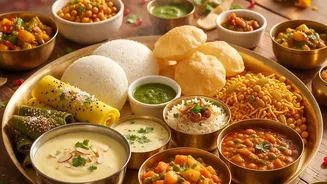
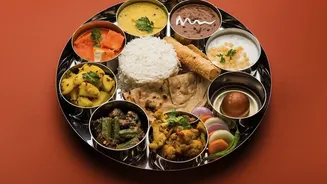
Durga Puja bhog is more than just a meal; it is prasad, a divine offering imbued with blessings. It represents community, devotion, and the incredible flavours of Bengali vegetarian cooking. Traditionally served to all visitors at community pandals, it’s
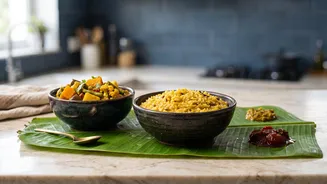
a purely vegetarian affair, prepared without any onion or garlic. The quintessential bhog platter is a masterclass in balanced flavours, featuring a wholesome khichuri, a medley of vegetables called labra, and a sweet and tangy chutney to complete the experience. Capturing this spiritual and culinary essence at home is a way to connect with the festivities, no matter where you are.
Bhoger Khichuri: The Golden Centrepiece
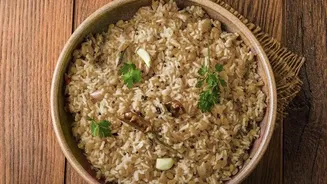
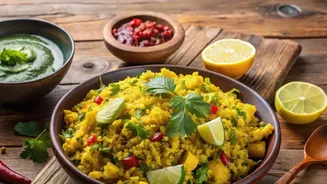
At the heart of the bhog is the khichuri, a savoury blend of rice and lentils that is both comforting and deeply aromatic. The secret lies in using fragrant Gobindobhog rice and dry-roasting the moong dal until it turns nutty and golden. This simple step is what gives the khichuri its distinctive flavour. The dal and rice are cooked with ginger, turmeric, and whole spices like cinnamon, cloves, and bay leaves. Vegetables such as potatoes, cauliflower, and green peas are often fried separately and added in, providing texture and substance. A final dollop of ghee before serving ties all the flavours together into a divine whole. A simple hack for home cooks is to use a pressure cooker, which speeds up the cooking time significantly while ensuring the rice and dal become perfectly soft.
Labra: The Humble Vegetable Medley
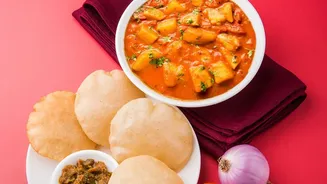
Labra is the perfect companion to khichuri, a seemingly simple dish that sings with flavour. It is a uniquely Bengali mixed-vegetable preparation where an assortment of seasonal vegetables are cooked together until they are soft and almost melting into one another. Typical vegetables include pumpkin, brinjal, radish, potatoes, and sweet potatoes. The key to its authentic taste is the 'panch phoron'—a Bengali five-spice blend of fenugreek, nigella, cumin, mustard, and fennel seeds—that is tempered in hot mustard oil. As a 'niramish' or vegetarian dish for religious offerings, it contains no onion or garlic, relying instead on ginger paste for warmth and a pinch of sugar to balance the flavours. The hack here is in the cutting; while dicing vegetables can be time-consuming, having them all prepped before you start cooking makes the process smooth and enjoyable.
Tomato Chutney: The Sweet & Sour Finale
No Bengali meal, especially a festive one, is complete without a chutney. The bhog is often rounded out with a sweet and tangy tomato chutney. This vibrant condiment serves as a palate cleanser after the richness of the khichuri and labra. The recipe is straightforward: ripe tomatoes are cooked down with sugar or jaggery until they become jammy. The chutney is tempered with mustard seeds and a dry red chilli. For added texture and complexity, many recipes include dates (khejur) and raisins (kishmish), which plump up as they cook. A handy hack is to make a larger batch; this chutney stores well in the refrigerator for several days and can be enjoyed with other meals, bringing a touch of festive flavour to your everyday plate.