





A Shift Beyond the Golden Triangle
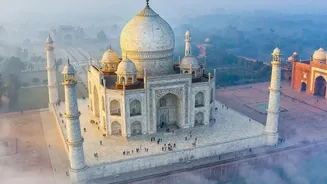
For decades, Indian tourism has been dominated by a handful of world-famous circuits. While these destinations are popular for a reason, the sheer volume of visitors often leads to overcrowding, putting a strain on local resources and diminishing the travel
experience. Many modern travellers are now seeking something different: authentic connections, quieter environments, and the thrill of discovery. This desire for unique experiences is driving a significant shift away from mass tourism towards exploring the thousands of culturally rich and naturally beautiful places that lie off the beaten path.
The Digital Push for Discovery
Recognising this trend, the Indian government is leveraging technology to balance tourism and promote new locations. On World Tourism Day 2026, the Ministry of Tourism launched two key initiatives: the National Digital Tourism Stack and Dekho Apna Desh 2.0. The first, developed with the Open Network for Digital Commerce (ONDC), aims to create a unified digital infrastructure. Instead of relying on a dozen different apps, this 'open network' will allow homestays, local guides, and small operators to list their services once and be discoverable across multiple platforms. This makes it much easier for travellers to find verified, trustworthy options in remote areas.
Spotlight on Alternative Destinations
The second initiative, Dekho Apna Desh 2.0, directly targets the promotion of lesser-known but tourism-ready destinations. Working with states, the program identifies places with adequate infrastructure and potential, focusing on hill stations, coastal towns, and heritage sites to distribute tourist footfall more evenly. This is complemented by the ongoing Swadesh Darshan 2.0 scheme, which has already notified 57 destinations for development, aiming to improve everything from road access to digital services like QR-code information at monuments. These efforts create new opportunities for local communities while offering travellers fresh, exciting itineraries.
Ziro Valley, Arunachal Pradesh
A prime example of a destination poised for sensitive discovery is Ziro Valley. This UNESCO World Heritage tentative site is renowned for its stunning rice fields and the unique culture of the Apatani people. Traditionally hard to access, new platforms can now help travellers plan logistics, find certified homestays, and connect with local guides for authentic cultural immersion, ensuring tourism benefits the community directly. AI-powered planners can help create realistic itineraries that respect the remote geography and local customs.
Gandikota, Andhra Pradesh
Often called the 'Grand Canyon of India,' Gandikota boasts a spectacular gorge carved by the Penna River, along with a formidable 13th-century fort. Despite its dramatic landscape, it has remained largely off the mainstream tourist map. With initiatives like Swadesh Darshan 2.0 identifying it as a key destination, access and facilities are improving. New digital platforms can help travellers book adventure activities like kayaking and trekking, find nearby accommodation, and discover other local sites, making a trip to this natural wonder far more seamless.
Majuli, Assam
As one of the world's largest river islands, Majuli offers a serene landscape of wetlands and rice paddies, and is a hub of neo-Vaishnavite culture. Its monasteries, or 'Sattras,' are living centres of art and religion. The island's accessibility is dependent on ferries, making planning crucial. The new digital tourism stack can provide real-time transport information, connect visitors with local artisans for workshops, and offer curated experiences that showcase the island’s unique ecology and heritage without overwhelming it.
AI as Your Co-Pilot
Beyond government portals, private travel platforms are also integrating Artificial Intelligence to act as a 'co-pilot' for travellers. These AI tools can generate personalised itineraries based on your interests, budget, and travel style, suggesting offbeat places you might not find in a standard guidebook. They analyse vast amounts of data to recommend the best time to visit, practical routes, and authentic local experiences. Partnerships between the Tourism Ministry and companies like Airbnb and MakeMyTrip are further aimed at promoting homestays and unexplored villages, bringing them into the digital fold.