

A Living Solution to a Concrete Problem
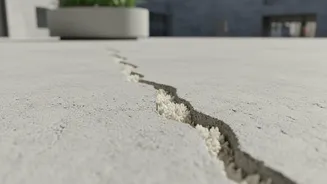
Self-healing concrete, also known as bio-concrete, is an advanced material designed to autonomously repair its own cracks. While the headline conjures images of large potholes magically vanishing, the current technology is focused on a more subtle but
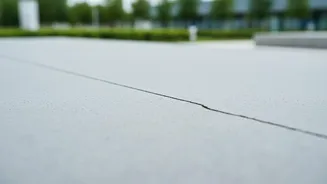
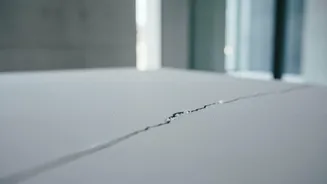
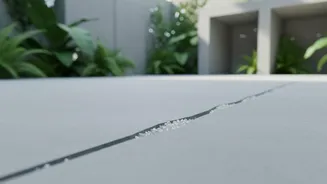
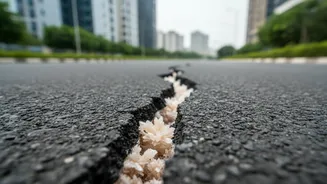
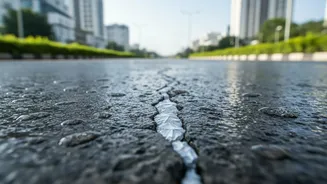
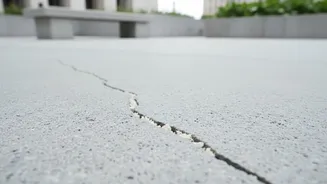
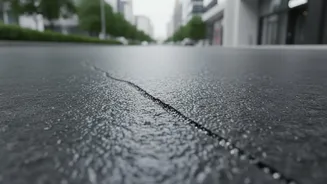
crucial task: sealing micro-cracks before they become major problems. These tiny fissures, often less than a millimetre wide, are the entry points for water and chemicals that corrode the steel reinforcements within concrete, leading to structural decay and, eventually, the potholes and degradation we see on our roads. By addressing these small cracks automatically, the material enhances durability and significantly extends the lifespan of structures like roads, bridges, and tunnels.
How Bacteria Act as Microscopic Masons
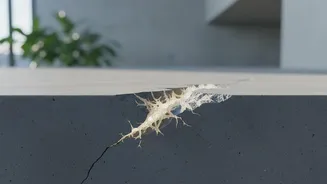
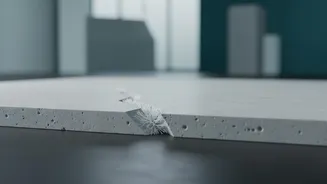
The secret ingredient is a specific type of bacteria, often from the Bacillus genus, which are chosen for their ability to thrive in the highly alkaline environment of concrete. These bacteria, along with a food source like calcium lactate, are embedded within the concrete mix in tiny capsules. The bacteria can remain dormant for up to 200 years. When a crack forms in the concrete, it breaks open these capsules. Air and moisture entering the crack act as an alarm clock, waking the dormant bacteria. Upon activation, the bacteria begin to feed on the calcium lactate and, as a byproduct of their metabolic process, they precipitate calcium carbonate—essentially limestone. This limestone fills the crack, sealing it from water and preventing further damage. The process is inspired by nature and mirrors how bones heal in the human body.
The Pioneer Behind the Plaster
This innovative field owes much to the work of microbiologist Dr. Henk Jonkers at Delft University of Technology in the Netherlands. Starting his research in 2006, Jonkers and his team were pioneers in combining microbiology with civil engineering to solve the age-old problem of cracking concrete. Their work led to the development of bio-concrete that demonstrated a remarkable ability to completely seal cracks up to 0.5mm wide, a significant improvement over the limited self-healing capacity of conventional concrete. This research has since spun off into a commercial venture, Green Basilisk, which licenses the technology for use in various applications, including repair mortars and liquid sprays for existing structures.
Weighing the Costs and Benefits
The primary advantage of self-healing concrete is its potential to drastically reduce maintenance costs over the lifetime of a structure, with some estimates suggesting a 50% reduction. By preventing small cracks from escalating, it improves safety and durability, especially in critical infrastructure like tunnels or marine structures where repairs are difficult and costly. However, the technology comes with a higher upfront cost, estimated to be anywhere from 10% to 50% more expensive than traditional concrete. This initial investment is largely due to the cost of the bacterial food source, calcium lactate, though researchers are actively exploring cheaper, sugar-based alternatives to bring the price down. As production scales up, these costs are expected to decrease, making it a more viable option for a wider range of projects.
The Road Ahead for India's Infrastructure
For a country like India, with its vast road network and varied climatic conditions from intense monsoons to extreme heat, the potential is enormous. The constant cycle of damage and repair makes durable infrastructure a national priority. Self-healing concrete could offer a long-term solution, reducing the need for constant patchwork and improving the resilience of our roads and public buildings. Research is already underway in India to adapt this technology for local conditions, with agencies like the Nuclear Power Corporation exploring its use. While it's not yet a solution for filling existing potholes, implementing bio-concrete in new construction could prevent them from forming in the first place, paving the way for a future with smoother, safer, and more sustainable roads.