





Every December, the hills near Kohima come alive with the sound of log drums and warrior chants. This is the Hornbill Festival, Nagaland's 'Festival of Festivals'. Here’s an in-depth guide to its cultural heart: the performances and crafts.
The Stage for a Grand Spectacle
The Hornbill
Festival takes place from December 1 to 10 each year at the Naga Heritage Village, Kisama, about 12 kilometres from Kohima. This purpose-built venue is the soul of the event. It features a main arena for performances and a collection of morungs—traditional tribal community houses—each representing one of Nagaland's major tribes. These morungs are not just replicas; they are living showcases of architecture, customs, and daily life where you can interact with elders, see artisans at work, and even be offered a taste of zutho, the local rice beer. Visiting the morungs is considered one of the most personal and enriching parts of the festival.
Dances, Songs, and Warrior Cries
The main arena is where you’ll witness the breathtaking cultural performances that form the festival’s centrepiece. From around 9 or 10 in the morning, troupes from tribes like the Angami, Ao, Chakhesang, and Konyak take to the stage in full ceremonial attire. The performances are a powerful mix of war dances, harvest songs, and folk tales passed down through generations. You might see the Ao warrior dance 'Nokinketer', which symbolises bravery, or the Lotha tribe demonstrating a dance that celebrates the dedication of a new morung. These are not just choreographed routines; they are rituals filled with history and meaning, from the Konyak 'headhunter dance' to the vibrant victory dances of the Sangtam.
A Showcase of Master Artistry
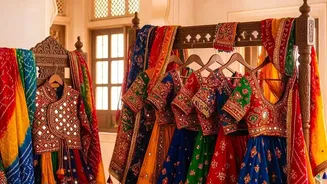
Beyond the main stage, the festival is a paradise for lovers of traditional crafts. Nagaland has a rich history of handloom and handicrafts, and the festival's craft bazaar and pavilions bring it all together. Weaving is a highly respected skill among Naga women, who use backstrap looms to create stunning shawls, bags, and jackets with intricate, geometric patterns unique to each tribe. Look for bold red and black Angami shawls and the distinct motifs of other tribes. Artisans are also masters of bamboo and cane work, producing everything from furniture to delicate baskets. Woodcarving is another prominent craft, with detailed work visible on morungs and in individual pieces for sale, alongside vibrant beaded jewellery and traditional pottery.
More Than Just a Show
The cultural displays extend to indigenous games and friendly competitions that animate the festival grounds. These events, often held between the main dance performances, offer a glimpse into traditional Naga sports and pastimes. Naga wrestling (Aki Kiti), a unique style of grip-and-throw wrestling, always draws a large, cheering crowd. Other contests include traditional archery, bamboo pole climbing, and the famously fiery Naga king chilli eating competition. These events are highly interactive and showcase the strength, skill, and playful spirit of the communities. Visitors are often invited to participate, adding to the fun.
The Evening Festivities
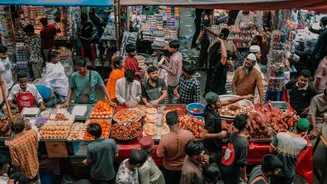
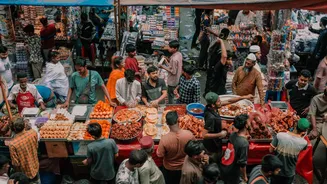
While the daytime events at Kisama focus on heritage, the evenings shift to Kohima town with a more contemporary vibe. The Hornbill Night Carnival features streets lined with food stalls and local vendors, creating a lively market atmosphere. For music lovers, the Hornbill International Rock Contest is a major draw, featuring bands from across the country. These events, along with fashion shows and art exhibitions, ensure the festive energy continues long after the sun sets over the heritage village, blending tradition with modern celebration.