









Rethinking the 'Fastest' Way to Travel
On paper, a one-hour flight seems unbeatable compared to an eight or ten-hour train journey. But the advertised flight time is a deceptive metric. The real measure is the door-to-door experience. A typical domestic flight journey involves a one-to-two-hour
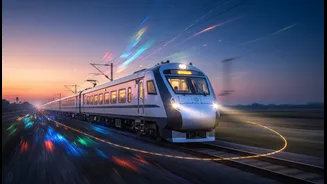
commute to an airport often located far from the city, arriving two hours early for check-in and security, the flight itself, followed by deplaning, baggage claim, and another long commute into the destination city. This easily balloons a 'one-hour' flight into a five-to-six-hour affair. In contrast, Vande Bharat sleeper trains operate from centrally located city stations. The journey begins in the evening, you sleep overnight, and you arrive in the heart of your destination the next morning, refreshed and ready to start your day. Instead of losing half a day to the airport process, you effectively gain a day by travelling while you sleep.
A New Benchmark for Comfort
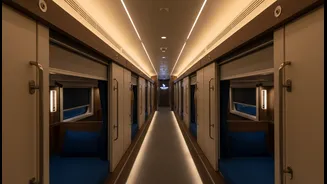
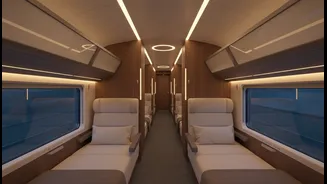
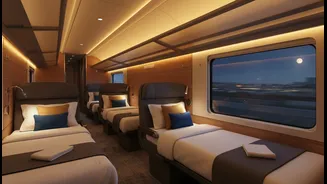
Low-cost air travel is synonymous with cramped seats, limited legroom, and a general sense of being rushed. The Vande Bharat sleeper is engineered to be the antidote. These trains, the first of which began commercial operations in January 2026, are designed with passenger comfort as a priority. Each 16-car trainset accommodates around 823 passengers in multiple AC tiers, offering comfortable berths, smoother suspension for a less bumpy ride, and modern amenities. Unlike the stress of jostling for overhead bin space or staying buckled in your seat, the train allows for freedom of movement. It’s an experience closer to a hotel on rails than a conventional mode of transport, allowing you to wake up rested rather than recovering from a flight.
Calculating the True Cost
The sticker price of a budget airline ticket is often just the beginning. Ancillary charges for seat selection, checked baggage, and even a bottle of water onboard can quickly inflate the final cost. Add to this the expensive cab fares to and from airports located on city outskirts, and the 'low-cost' flight becomes significantly more expensive. Vande Bharat sleeper fares are expected to be competitive. Reports suggest a fare structure that is only a modest 10-15% higher than equivalent classes on Rajdhani trains, offering a premium experience without a prohibitive price tag. When you factor in saving the cost of a hotel night by travelling overnight, the financial argument for the train becomes even more compelling for families and business travelers alike.
The Underrated Value of Convenience
Beyond time and money, there's the human factor. The airport experience is fraught with stress: long queues, invasive security checks, last-minute gate changes, and the constant anxiety of delays. Train travel, particularly in a modern sleeper, offers a fundamentally more relaxed journey. The boarding process is simpler, baggage allowances are more generous, and the rhythm of the journey is calmer. Arriving directly in the city centre means you are immediately connected to your final destination, be it a hotel, office, or home, saving precious time and energy. With several Vande Bharat sleeper routes already operational on major corridors like Delhi-Mumbai and Kolkata-Chennai, and more being added through 2026, this convenient option is becoming a reality for millions. As the second Vande Bharat sleeper was flagged off on July 17, 2026, on a high-demand route, it signals a clear shift in national transport policy.