






The North Goa Burnout
For years, North Goa has been the default destination for those seeking sun, sand, and parties. Beaches like Baga and Calangute became legendary for their lively shacks and bustling nightlife. However, this popularity has come at a cost. Today, many visitors
and locals complain of overtourism, leading to packed beaches, constant traffic jams, and a commercialised atmosphere that can feel overwhelming. For the slow-travel enthusiast—a traveller who prioritises connection, culture, and relaxation over a packed itinerary—the frantic energy of the north has begun to lose its charm, prompting a search for a more peaceful and authentic experience.
The Allure of the Hinterlands
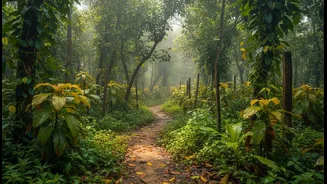
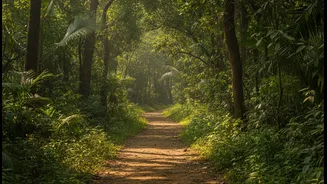
Just a short drive from the coast, the Goan landscape transforms dramatically. The din of traffic is replaced by the sound of birdsong, and the concrete buildings give way to lush forests, serene villages, and winding rivers. This is the Goan hinterland, an area rich in biodiversity and tradition that is now at the heart of the state's push towards sustainable and eco-tourism. Here, life moves at a slower pace. It’s a world away from the tourist-centric coast, offering a glimpse into the Goa that locals have always known—a place of quiet beauty, deep-rooted culture, and a strong connection to the land.
A Symphony for the Senses
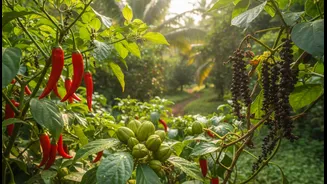
At the centre of this shift are Goa's iconic spice plantations, primarily located around the Ponda region. A visit here is a complete sensory immersion. Guided tours lead you through fragrant estates where spices like pepper, cardamom, cinnamon, and nutmeg grow in their natural habitat. Many visitors are surprised to see the origins of the spices they use daily. The experience often begins with a welcome herbal tea, followed by an educational walk where guides explain the cultivation and medicinal properties of the plants. The tour typically concludes with a traditional Goan buffet, often served on banana leaves and prepared with fresh, farm-grown ingredients, offering an authentic taste of the region’s culinary heritage.
More Than Just Spices
The appeal of the hinterlands extends far beyond the spice farms. This region is a treasure trove of natural and cultural wonders. Adventurous travellers can trek to majestic waterfalls like Dudhsagar Falls, explore the dense forests of the Bhagwan Mahavir Wildlife Sanctuary, or go birdwatching in the Salim Ali Bird Sanctuary. The area is also dotted with historic temples, such as the Shantadurga and Manguesh temples, which showcase a different side of Goa's spiritual fabric. Exploring quiet, Portuguese-era villages like Aldona and Divar Island offers a step back in time, revealing a peaceful lifestyle untouched by mass tourism.
The Rise of Conscious Travel
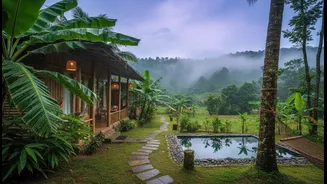
The move towards the hinterlands is more than just a search for quiet; it reflects a global shift towards conscious and sustainable travel. Slow-travel enthusiasts are increasingly seeking experiences that are not only relaxing but also responsible. They prefer supporting local economies by staying at eco-friendly homestays, participating in workshops, and engaging with communities respectfully. The spice plantations and other hinterland attractions, many of which are family-run and focus on organic farming and conservation, align perfectly with this ethos. By choosing these experiences, travellers contribute to the preservation of Goa's natural beauty and cultural heritage, ensuring it can be enjoyed for generations to come.