

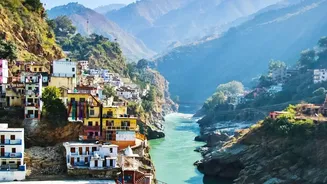

The Serene Harsil Valley
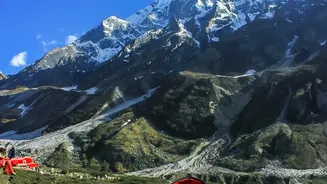
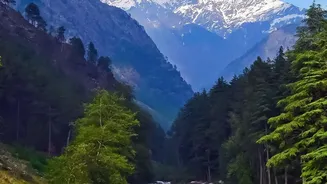
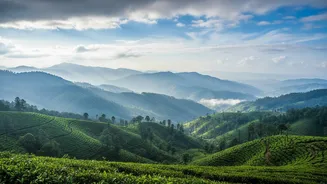
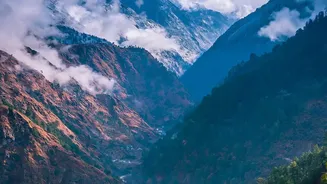
Often called the ‘mini Switzerland of India’, Harsil Valley is a tranquil paradise nestled on the banks of the Bhagirathi River. Located at an elevation of about 2,620 metres, it is famous for its dense deodar forests, charming villages, and sprawling
apple orchards. During the August monsoon, the valley is exceptionally lush, with clouds floating through the pine trees. It's an ideal destination for those seeking peace away from crowded tourist spots. Key attractions include visiting the traditional Bagori and Mukhba villages, short hikes along the river, and simply soaking in the serene mountain atmosphere. While the main Gangotri highway can face disruptions, the valley itself is relatively sheltered. The journey from Dehradun is long (about 8-9 hours), but the breathtaking scenery makes it worthwhile.
Chopta: The Meadow of Greens
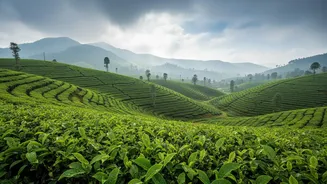
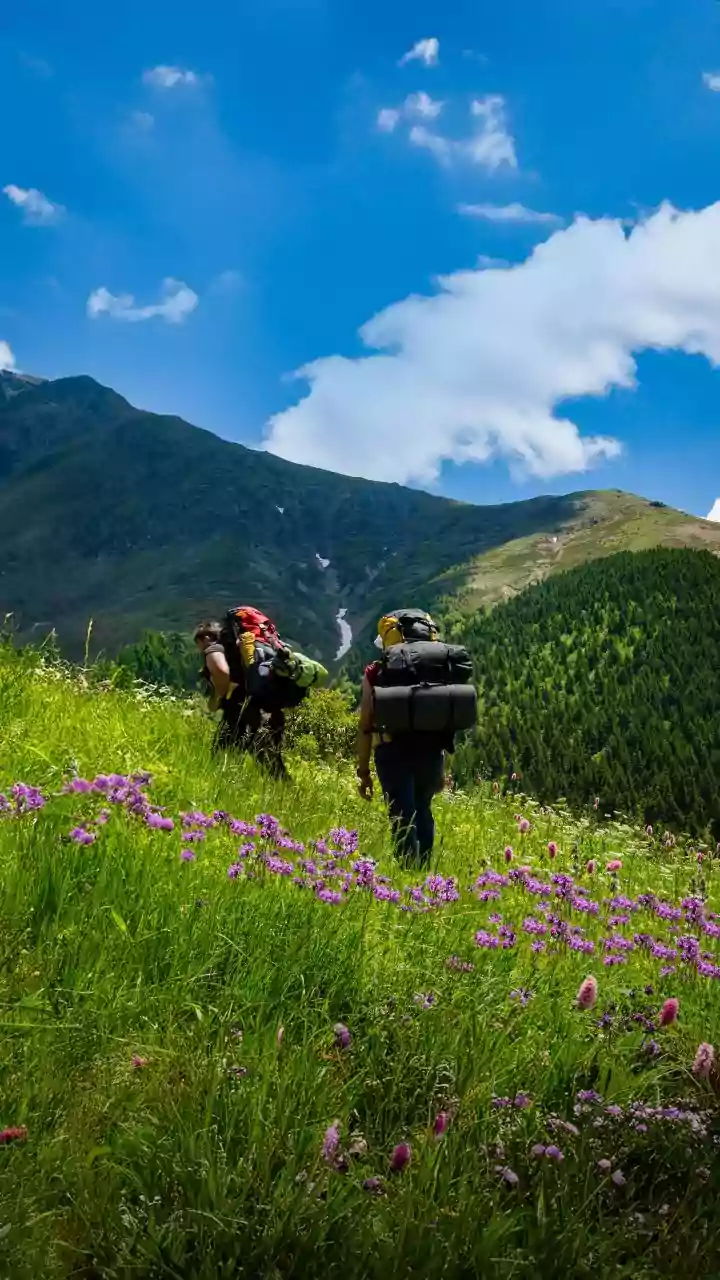
Known for its stunning meadows, or 'bugyals', Chopta transforms into a carpet of vibrant green during the monsoon. Situated at an altitude of around 2,680 metres, it serves as the base for the trek to the ancient Tungnath Temple, the highest Shiva shrine in the world. While the longer trek to Chandrashila Peak can be risky due to slippery trails in August, the walk to Tungnath is often manageable and offers breathtaking views of the mist-laden Garhwal Himalayas. The area is less commercialised, offering a raw connection with nature. Accommodation is basic, consisting mainly of guesthouses and campsites, which adds to its rustic charm. Travellers should be aware that rainfall can be persistent, and it's crucial to have flexibility in your itinerary.
The Offbeat Tons Valley
For the more adventurous soul looking for an off-the-grid experience, the Tons Valley in the Garhwal region is a hidden gem. It is one of the most remote and untouched parts of Uttarakhand, offering a glimpse into a unique local culture where ancient traditions are still alive. The valley is carved by the Tons River, the largest tributary of the Yamuna, and is surrounded by dense forests and traditional wooden houses. Monsoon travel here requires careful planning and ideally the help of a local guide, as services are limited. However, the reward is an unparalleled experience of Himalayan life, far from any tourist trail. Activities include village walks, exploring the unique architecture, and enjoying the dramatic monsoon landscapes. It is a destination for those who prioritise authenticity over comfort.
Your Monsoon Safety Checklist
Travelling to the Himalayas during the monsoon is rewarding but requires a high degree of preparation and caution. Landslides, road blockages, and swelling rivers are real risks. Always check the latest weather forecasts and road conditions from official sources before and during your trip. It is wise to add buffer days to your itinerary to account for potential delays. Pack waterproof jackets, trousers, and footwear with excellent grip. Carry a first-aid kit, essential medicines, and a power bank. Inform your family or friends about your travel plans. Avoid driving at night and be wary of parking your vehicle near steep slopes. Opt for accommodations that are safely located and well-constructed. Finally, respect the power of nature and be prepared to change your plans for safety's sake.