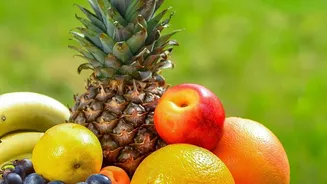







In the quest for a balanced diet, we know variety is key. But how different are two common fruits? A juicy pineapple and a crisp pear both offer sweetness and nutrients, but their contributions to your health are surprisingly distinct.
Pineapple: The Tropical Powerhouse
Pineapple is much
more than a sweet, tangy treat; it is a nutritional standout, largely due to its impressive vitamin and mineral content. A single cup of pineapple chunks can deliver nearly a full day's requirement of Vitamin C, a vital antioxidant that supports the immune system and skin health. It is also an exceptional source of manganese, a mineral crucial for bone health, metabolism, and antioxidant defence. But what truly sets pineapple apart is bromelain, a unique mixture of enzymes. Found in the fruit and stem, bromelain is celebrated for its ability to aid in protein digestion, which can help reduce feelings of bloating and indigestion. This powerful enzyme also has anti-inflammatory properties, with studies suggesting it may help reduce swelling and pain associated with sports injuries and certain health conditions.
Pear: The Fibre-Rich Friend
Often celebrated for its gentle sweetness and satisfying crunch, the pear is a formidable force in digestive wellness. Its primary strength lies in its high fibre content. A single medium-sized pear provides about 6 grams of dietary fibre, which is a significant portion of the daily recommended intake. This includes both soluble and insoluble fibre. Insoluble fibre helps maintain regular bowel movements, while soluble fibre, such as pectin, acts as a prebiotic, feeding the good bacteria in your gut. This fibre content also helps you feel fuller for longer, which can aid in weight management. Beyond fibre, pears are a good source of Vitamin K, essential for blood clotting and bone health, as well as copper and potassium, which support heart health.
A Head-to-Head Comparison
When placed side-by-side, the distinct roles of pineapple and pear become even clearer. Per 100 grams, their calorie and carbohydrate counts are quite similar, making neither a 'heavy' choice. However, the nutritional differences are stark. Pineapple offers substantially more Vitamin C and a wider array of B vitamins. Pear, on the other hand, contains significantly more dietary fibre—often more than double that of pineapple for the same serving size. This fundamental difference influences how the body processes them. The high fibre in pears gives them a low glycemic index of around 38, meaning they release sugar into the bloodstream slowly. Pineapple has a higher glycemic index, around 59 to 66, causing a quicker rise in blood sugar.
Digestive Health: Bromelain vs. Fibre
Both fruits are champions of digestive health, but they work in different ways. Pineapple's bromelain primarily assists in breaking down proteins, potentially easing digestion for those who consume high-protein diets and reducing occasional bloating. Pears, with their rich combination of soluble and insoluble fibres, focus more on gut regularity and nurturing a healthy gut microbiome. The fibre in pears adds bulk and softens stool, promoting efficient movement through the digestive tract. So, while pineapple helps with the 'breakdown' process, pears excel at the 'moving it through' process.
Incorporating Both into Your Diet
Rather than choosing one over the other, the smartest approach is to embrace the unique benefits of both. Enjoy fresh pineapple chunks as a vibrant snack or add them to salsas and marinades, where their bromelain can even help tenderise meat. Since its sugars are absorbed more quickly, pairing pineapple with a source of protein or healthy fat, like yogurt or a handful of nuts, can help blunt its impact on blood sugar. Pears are incredibly versatile. Eat them fresh with the skin on to maximise their fibre intake, slice them into salads, or bake them for a healthy dessert. Their low glycemic index makes them a great option for a steady source of energy without the crash.