






The Concrete Jungle's Fever
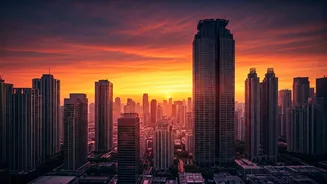
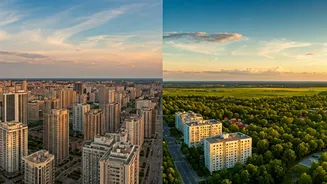
Recent studies, including a new multi-city analysis, are shedding light on a phenomenon known as the Urban Heat Island (UHI) effect. In simple terms, our cities are becoming significantly warmer than their surrounding rural areas, often by several degrees.
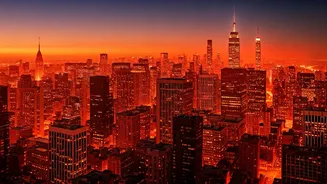
This happens because materials like concrete, asphalt, and glass absorb and retain the sun's heat far more than natural landscapes like forests and fields. Compounding this, the loss of green spaces and water bodies, coupled with waste heat generated by vehicles and air conditioners, creates a dense, warm blanket of air—a 'thermal layer'—that settles over the urban environment. This effect is particularly pronounced at night, preventing cities from cooling down and denying residents a crucial recovery period from daytime heat.
A Vicious Cycle of Heat
A recent analysis focusing on several Indian megacities, including Delhi, Mumbai, Chennai, and Kolkata, exposes some alarming trends. One of the most critical findings is the shrinking difference between day and night temperatures. For instance, a recent Centre for Science and Environment (CSE) report highlighted that Delhi's capacity for nighttime cooling has diminished significantly over the last decade. Where a summer night might once have offered a 12°C drop in temperature, that relief has now shrunk to less than 10°C. This trapped heat creates a vicious cycle. As temperatures rise, so does the demand for air conditioning, which strains the power grid and pumps more hot air back into the city, further intensifying the UHI effect.
The Hidden Health Crisis
The word 'dangerous' in the report's framing is not an exaggeration. The inability to cool down at night prevents the human body from recovering from daytime heat stress, leading to a host of health problems. These include dehydration, heat exhaustion, and life-threatening heatstroke. The constant thermal stress also exacerbates pre-existing conditions like cardiovascular and respiratory diseases. This urban heat crisis does not affect everyone equally. Vulnerable populations—such as outdoor labourers, street vendors, and residents of informal settlements or slums—are disproportionately at risk. They often lack access to adequate housing, shade, or cooling, turning intense heatwaves into a direct threat to their lives and livelihoods.
India's Urban Hotspots
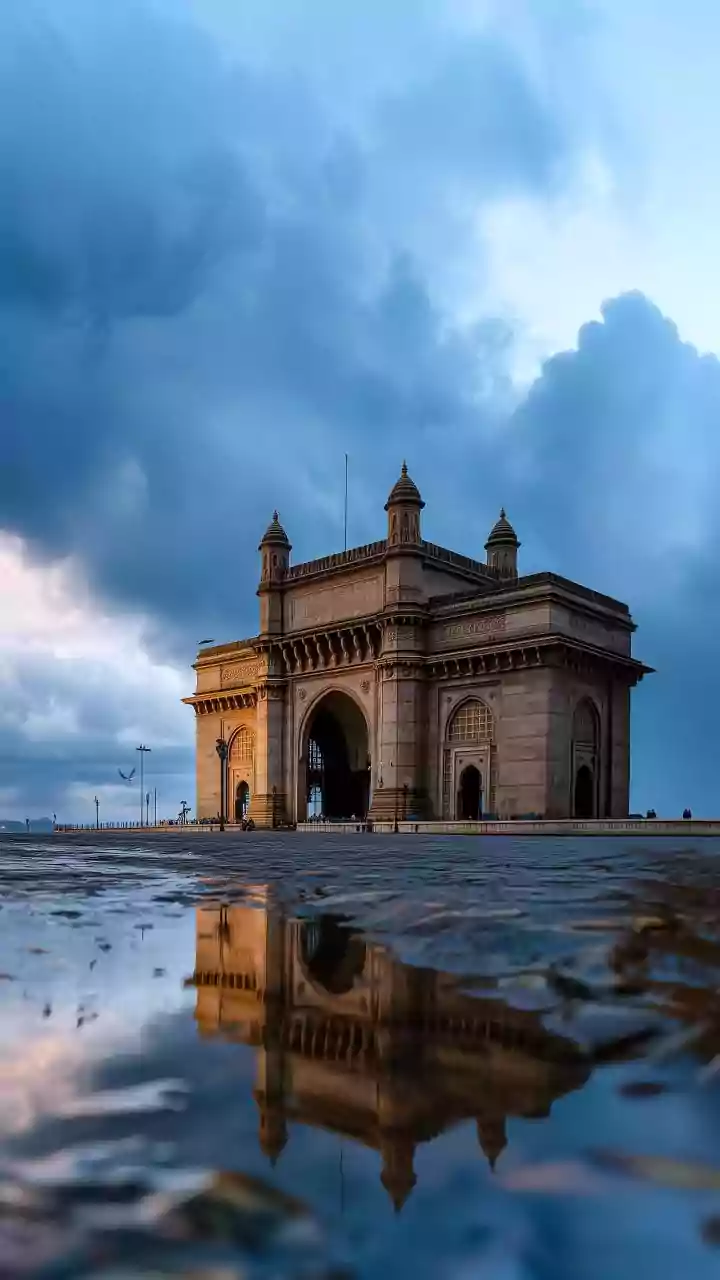
While the issue is widespread, studies have identified specific urban hotspots across India. Delhi, with its dense construction and shrinking green cover, is a prime example, with recent reports indicating that nearly 76% of the city is persistently heat-stressed during summer. The CSE's multi-city study also tracked dangerous trends in Mumbai, Bengaluru, Chennai, Hyderabad, and Kolkata, noting rising humidity levels that worsen the 'feels-like' temperature. Other research points to cities like Ahmedabad and Pune, where rapid expansion has led to sharp increases in land surface temperatures. The data paints a clear picture: from megacities to rapidly growing medium-sized towns, the urban heat crisis is a national challenge.
Cooling Our Cities: A Path Forward
The reports are not just a diagnosis; they are a call to action. Experts argue that India must move beyond short-term emergency responses and embrace long-term heat resilience strategies. While Heat Action Plans (HAPs) adopted by cities like Ahmedabad have been pioneers in saving lives through early warnings, a more integrated approach is needed. This involves a fundamental rethinking of urban planning. Key solutions include aggressively increasing green cover, protecting and restoring water bodies, and promoting 'cool roofs'—surfaces painted with reflective materials that absorb less heat. Furthermore, building codes must be updated to mandate thermally comfortable designs and materials that are better suited to our climate. For the most vulnerable, policies must include mandatory rest breaks for outdoor workers, access to public cooling centres, and better social safety nets during extreme heat events.