






A Return to Our Roots
There's a tangible shift happening across India's culinary landscape. Visionary chefs are moving away from a reliance on foreign ingredients and turning their focus inward, exploring the rich tapestry of produce that has been part of regional diets for centuries.
This isn't just about nostalgia; it's a dynamic movement that champions sustainability, celebrates biodiversity, and introduces a universe of new flavours to the modern palate. From the mountains of the Himalayas to the coastlines of Kerala, forgotten grains, foraged greens, and indigenous herbs are being given a new lease on life. This ingredient-first philosophy is connecting diners to the land in a deeper way, telling the story of a place through its unique tastes and textures.
The Allure of Sour Leaves
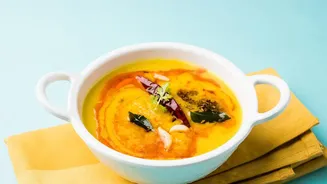
One of the most exciting rediscoveries is the world of sour leaves. Take gongura, or sorrel leaves, a staple in Andhra Pradesh and Telangana. Known for its distinctively tart flavour, it has long been the heart of dishes like gongura pachadi (a spicy chutney) and gongura pappu (lentils with sorrel leaves). Now, its potential is being explored in new ways. The sourness, which comes in both a green and a more potent red-stemmed variety, is being used to cut through the richness of meat dishes like Gongura Chicken and Mutton. Beyond traditional fare, its sharp, tangy notes are finding their way into contemporary recipes, much like ambadi (roselle leaves), another sour green used to add a natural tang to dals and chutneys.
Not Your Average Berry
The humble karonda, a small, tart berry also known as the Bengal currant, is another ingredient stepping into the spotlight. While traditionally the star of pickles and preserves, its versatility is proving to be immense. When unripe and sour, it can be used to make tangy stir-fries or provide a sharp counterpoint in savoury dishes, similar to raw mango. As it ripens from greenish-white to a deep red, it sweetens slightly, making it a perfect substitute for cranberries in jams, pies, and even as a colourful addition to pastries. Its unique sour-sweet profile is also being explored by chefs looking to add a distinctly Indian twist to global desserts and sauces.
From Forest to Fine Dining
Foraging, a practice deeply embedded in India's tribal and rural communities, is inspiring a new wave of culinary innovation. Mahua flowers, for instance, have been a vital source of nutrition and used in festive treats in central India for generations. Traditionally used to make liquor or simple sweets like 'latta', chefs are now exploring its complex, honey-like sweetness in new forms. It's being fermented into misos, used as a natural sweetener in baked goods, and even infused into savoury curries to balance spice. This 'forest-to-table' approach also includes ingredients like wild garlic (skotse) from Ladakh and the earthy lichen known as kalpasi (stone flower), which adds a smoky depth to dishes. These foraged treasures bring a sense of place to the plate that cannot be replicated.
The Chefs Leading the Charge
This movement is being spearheaded by a passionate group of chefs dedicated to preserving and promoting India's culinary heritage. Chefs like Vanika Choudhary of Mumbai's Noon and Sequel restaurants are championing produce from regions like Ladakh and Maharashtra, using foraged ingredients to tell stories of seasonal shifts. Prateek Sadhu, through his restaurant Naar, pays tribute to his Kashmiri roots and the bounty of the Himalayan region, sourcing everything locally. Meanwhile, chefs like Radhika Khandelwal of Fig & Maple are reconnecting with food at its most primal level, seeking out wild greens and other ingredients that have been known to indigenous communities for generations but have yet to enter mainstream cooking. Their work is not just about creating delicious food; it's about building meaningful relationships with farmers and foragers and ensuring that the credit for this knowledge goes back to the communities that have preserved it.