

Right of Way: Navigating Trail Traffic
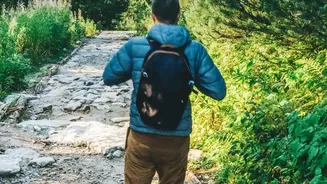
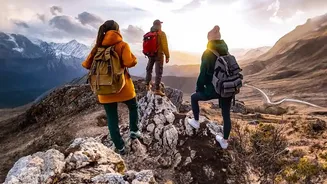
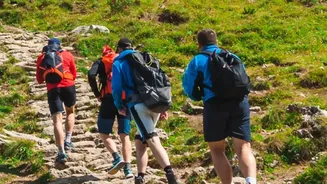
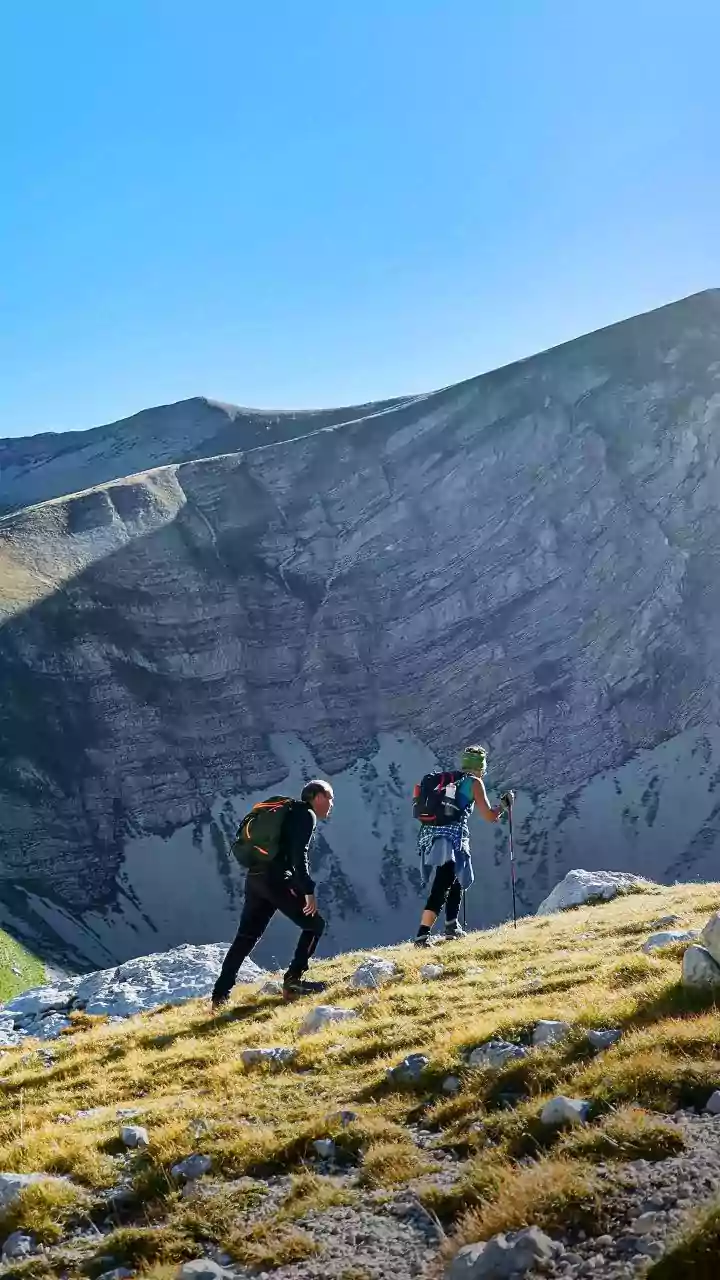
Knowing who has the right of way prevents awkward standoffs and keeps everyone moving safely. The general rule is that hikers travelling uphill have the right of way. Those heading downhill have a better field of vision and can more easily step aside.
While an uphill hiker might welcome the chance to catch their breath and wave you through, the choice is theirs to make. On multi-use trails, there is a clear hierarchy: cyclists yield to hikers, and both hikers and cyclists yield to horses. Horses can be easily startled, so when you encounter them, step off to the downhill side of the trail, avoid sudden movements, and speak calmly to the rider. When you need to pass someone from behind, a friendly 'on your left' is the standard way to announce your presence so you don't startle them.
Respecting Wildlife: The Golden Rules
The Rockies are home to a vast array of wildlife, and respecting their space is paramount for both their safety and yours. Parks Canada recommends staying at least 100 metres away from predators like bears, wolves, and cougars, and 30 metres from other large animals such as elk, deer, and moose. If an animal alters its behaviour because of you, you are too close. Never, under any circumstances, feed wildlife. Feeding animals makes them dependent on humans and can lead to aggressive behaviour, which often results in the animal being destroyed. Always carry bear spray and know how to use it; it should be immediately accessible, not buried in your backpack. Making noise while you hike—by talking, singing, or calling out—is one of the most effective ways to avoid a surprise encounter, especially in dense brush or near blind corners.
Leave No Trace: Protecting the Environment
The core principle of responsible hiking is Leave No Trace, which consists of seven key tenets aimed at minimizing human impact. The most famous rule is 'pack it in, pack it out', which means all your garbage—including organic waste like apple cores and banana peels—must leave with you. These items can attract wildlife and take a surprisingly long time to decompose in the alpine environment. Always stay on designated trails. Cutting corners creates erosion and damages fragile vegetation that can take years to recover. You should also leave what you find; natural objects like wildflowers, rocks, and antlers should be left for others to enjoy. Finally, properly dispose of human waste by digging a small cathole at least 100 metres from any water source and packing out your toilet paper.
Hiking with Dogs: Paws on the Path
Bringing a dog on your hike can be a wonderful experience, but it comes with strict responsibilities in national and provincial parks. Dogs must be on a leash at all times. This is not just a suggestion; it's the law, with significant fines for non-compliance. An off-leash dog can provoke a defensive attack from wildlife like bears or elk, or chase and harm smaller animals. It's also a legal requirement to pick up and pack out all dog waste. Dog feces can introduce new parasites into the ecosystem and is a source of high-protein food that can attract bears and coyotes. Before heading out, always check trail regulations, as some areas have seasonal restrictions or are closed to dogs entirely to protect sensitive wildlife corridors.
Trail Courtesy and Preparation
Beyond the major rules, a little social grace goes a long way. A simple nod or 'hello' to fellow hikers creates a friendly atmosphere. When taking a break or snapping photos, step off the trail so you don't block others. Keep your voice and any music at a low volume; many people are in nature to enjoy its sounds. Being prepared is also a form of etiquette, as it prevents you from needing to rely on others or search and rescue teams. This means checking trail conditions and weather forecasts, telling someone your plan, and carrying essentials like extra layers, sufficient water, a first-aid kit, and, of course, bear spray. Mountain weather can change in an instant, and self-sufficiency is a sign of a respectful and experienced hiker.