




Your Body's Instant Reset Button
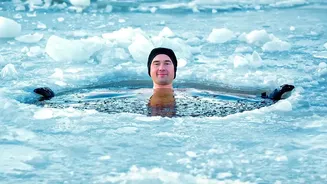
Submerging your face in cold water triggers a powerful, involuntary response known as the mammalian diving reflex. This reflex is a survival mechanism hardwired into all mammals to conserve oxygen when underwater. When the cold water hits the nerves in your face,
particularly around the cheeks and eyes, it sends a powerful signal to your brain. This signal activates the vagus nerve, which is the main highway of your parasympathetic nervous system—often called the "rest-and-digest" system. The result is an almost immediate slowing of your heart rate and a shift away from the "fight-or-flight" stress response, providing a moment of physiological calm.
The Vagus Nerve Explained
Think of the vagus nerve as your body's built-in braking system. It's the longest cranial nerve, running from your brainstem down to your abdomen, connecting to your heart, lungs, and digestive tract. When you are stressed or anxious, your sympathetic nervous system (the "fight-or-flight" response) is in high gear. Stimulating the vagus nerve activates the opposing parasympathetic system, which helps to lower your heart rate, regulate your breathing, and tell your body it's safe to relax. Techniques that increase what's known as "vagal tone" are associated with better stress resilience and emotional regulation. Cold exposure is one of the most direct and non-invasive ways to stimulate this nerve.
How to Practice It Safely
You don't need a fancy plunge pool to get the benefits. A simple bowl is all that's required. Start with a clean face and a sanitized bowl filled with cold tap water; you can add a few ice cubes for extra chill. Take a deep breath and hold it before gently submerging your face, ensuring the water covers your cheeks and forehead. Hold for just 15 to 30 seconds. The goal is not to endure the cold for as long as possible; a short dip is enough to trigger the reflex. Afterwards, gently pat your face dry. For most people, a few times a week is plenty. This technique is best used for moments of acute stress or panic rather than a treatment for chronic anxiety.
Beyond Immediate Stress Relief
While the immediate calming effect is the primary benefit, the practice offers other perks. The cold water constricts blood vessels, which can temporarily reduce puffiness and redness, giving your skin a more refreshed and awake appearance. As your skin warms up again, blood flow increases, which can create a temporary healthy glow. Some people find it an invigorating way to start the day, boosting alertness. Regular practice may also help build your body’s overall resilience to stress over time by conditioning your nervous system's response. However, it's important to see this as a temporary cosmetic pick-me-up and a stress-management tool, not a permanent solution for skin concerns.
Important Considerations and Risks
This technique is not suitable for everyone. Individuals with heart conditions or very low heart rate (bradycardia) should consult a doctor before trying it, as the dive reflex intentionally slows the heart. Those with sensitive skin conditions like rosacea, eczema, or fragile capillaries might find that the extreme cold causes irritation, flare-ups, or broken blood vessels. It's crucial to listen to your body; if you experience pain, excessive redness, or discomfort, you should stop. Never use ice directly on the skin, as this can cause cold burns. The goal is a quick, controlled dip in cold water, not prolonged exposure.