


The Great Fiber Divide
The most significant difference between a smoothie and a juice lies in one crucial component: fiber. Blending a smoothie involves pulverizing whole fruits and vegetables, meaning everything—pulp, skin, and all—ends up in your glass. This process retains
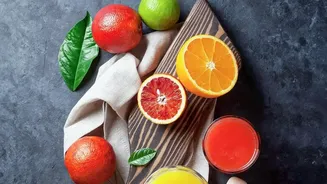
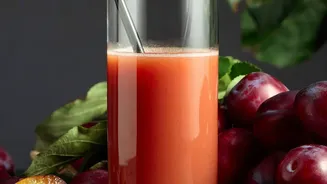
both soluble and insoluble fiber. Cold-pressed juicing, on the other hand, is an extraction process. It squeezes the liquid out of the produce and leaves the bulk of the fibrous pulp behind. While some soluble fiber might remain in the juice, the insoluble fiber, which adds bulk and aids digestion, is almost entirely removed. This distinction is the main reason many nutritionists give smoothies the nutritional edge.
Sugar Rush vs. Sustained Energy
Without fiber to slow things down, the natural sugars from fruit in a juice are absorbed into the bloodstream very quickly. This can lead to a rapid spike in blood sugar, often followed by a crash, leaving you feeling hungrier sooner. Smoothies, packed with their original fiber, provide a much more controlled release of sugar. This fibrous buffer slows down digestion, leading to more stable blood sugar levels and sustained energy. For anyone managing their energy levels or concerned about blood sugar, this makes a smoothie the more stable and reliable option.
The Satiety Factor
Ever noticed how a smoothie keeps you feeling full for much longer than a glass of juice? That’s the fiber at work again. Because blending retains the entire fruit or vegetable, smoothies are more voluminous and take longer for your body to process. This feeling of fullness, or satiety, is a powerful tool for weight management, helping to prevent overeating between meals. Juices, being stripped of their filling fiber, are less satisfying and can lead you to consume more calories overall without feeling full.
A More Complete Nutritional Package
Blending offers more versatility than juicing. You can easily enhance a smoothie with other nutrient-dense ingredients that a juicer can't handle. Think of adding a scoop of protein powder, a spoonful of nut butter for healthy fats, or a sprinkle of chia seeds and oats for even more fiber and omega-3s. This ability to create a balanced mini-meal, complete with protein, fats, and complex carbs, turns a simple fruit and vegetable drink into a far more nutritionally complete option. Some beneficial antioxidant compounds are also found primarily in the fibrous parts of the fruit, which are retained in blending but discarded in juicing.
When Might Juice Be a Good Choice?
This isn't to say that cold-pressed juice has no place in a healthy diet. Because the fiber is removed, the vitamins and minerals in juice can be absorbed by the body very quickly, providing a rapid nutrient boost. This can be beneficial for individuals with certain digestive issues who may need to follow a low-fiber diet, or for athletes looking for quick, easily digestible energy post-workout. However, for most people seeking a daily nutritional beverage that supports digestion, manages hunger, and provides stable energy, a smoothie is the clear winner.