





The Current State of Play
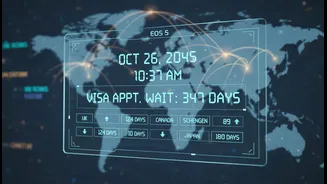
For first-time applicants seeking a B1/B2 visa for tourism or business, the wait for an interview appointment remains a significant hurdle in mid-2026. The situation varies dramatically across the five US consular posts in India. Typically, Mumbai and
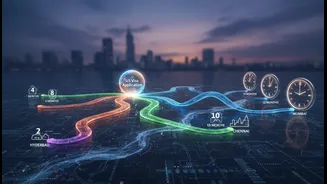
New Delhi have the longest queues, with wait times that can stretch from 150 to over 300 days. In contrast, cities like Chennai, Hyderabad, and Kolkata often present a much shorter wait, sometimes by several months. For instance, recent data suggests wait times in Chennai and Kolkata can be considerably lower than their counterparts in Delhi and Mumbai. These figures are a marked improvement from the peak backlogs of 2022-2023, which saw waits exceeding two years, but the disparity between centres remains a crucial factor for applicants to consider.
Why the Wide Discrepancy?
Several factors contribute to the differing wait times across India. The primary drivers are local demand and consular capacity. Mumbai and Delhi serve vast, densely populated regions with high numbers of visa applicants, leading to immense pressure on their appointment systems. Conversely, consulates like Kolkata traditionally handle lower volumes. Furthermore, staffing levels at each consulate play a critical role. The US Mission in India has made efforts to increase its consular staff, particularly in posts like Hyderabad, which has helped reduce backlogs there. Strategic priorities also have an impact; some consulates may be designated to handle higher volumes of specific visa types, such as work visas in Chennai or student visas in Hyderabad, which can affect the availability of slots for visitor visas.
The Two-Track System: Renewals vs. First-Timers
A critical distinction exists between first-time applicants and those renewing their visas. If you are eligible for the Interview Waiver Program, commonly known as 'dropbox,' your experience will be vastly different. This program allows eligible applicants, typically those renewing a recent visa in the same category, to submit their documents without an in-person interview. The processing time for dropbox renewals is significantly faster, usually taking between two to six weeks from document submission to passport return. This two-track system is a key reason why discussions about US visa timelines can be confusing; the months-long wait is almost exclusively for those who require a face-to-face interview for the first time.
Strategies for Applicants
Given the landscape, applicants have a few strategies to consider. Firstly, you are not restricted to the consulate in your geographical area. Indian applicants are permitted to schedule their appointment at any of the five consulates in the country. This means if the wait time in Mumbai is nine months, but Kolkata has availability in three, you can book a slot in Kolkata. Secondly, check the official US visa scheduling portal frequently. Appointments are added continuously, and cancellations open up earlier slots. Securing the first available date, even if far in the future, is the first step. After that, you can check for earlier openings. Finally, for those with a genuine, documented emergency—such as urgent medical travel or a death in the immediate family—there is a process to request an expedited appointment, though this is granted on a very limited basis.
The Official Outlook
The US Mission in India acknowledges the high demand and has stated its commitment to reducing wait times. Officials have highlighted the record number of visas processed in recent years—around one million in fiscal year 2024—as evidence of their efforts. These efforts include hiring more consular officers, holding special 'super Saturday' interview days, and expanding the interview waiver program. While these measures have successfully brought wait times down from their pandemic-era peaks, officials also stress that visa adjudication is a national security decision and a privilege, not a right, underscoring that speed cannot compromise security protocols. For the foreseeable future, high demand means that advance planning will remain the most essential tool for any prospective visitor.