



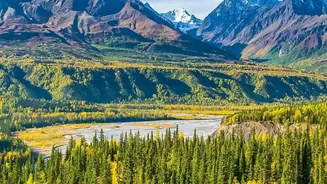
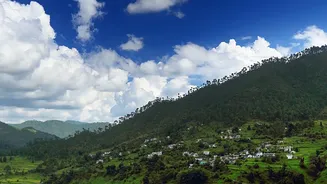
An Autumn Palette of Gold and Blue
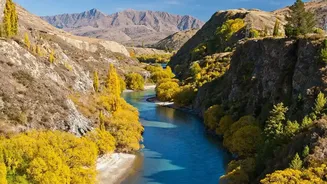
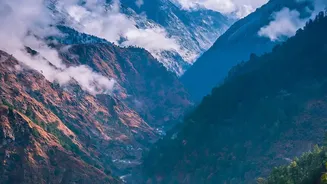
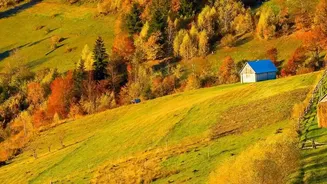
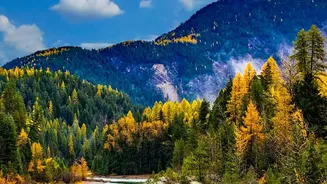
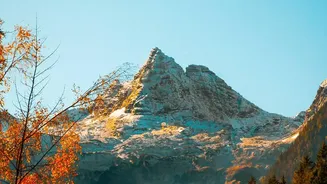
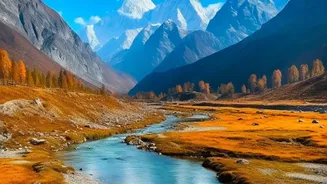
Autumn, spanning from September to November, is arguably the best time to witness Tirthan Valley in its full glory. The post-monsoon weather ushers in clear blue skies, offering sharp, panoramic views of the surrounding Himalayan peaks. The forests, a mix
of pine and deodar, are splashed with earthy hues of orange and yellow, creating a stunning contrast against the deep blue sky. With temperatures hovering between a comfortable 8°C and 20°C, the climate is perfect for outdoor exploration without the biting cold of winter or the heavy summer tourist flow. This season offers a quieter, more personal experience with nature, making it ideal for photography and peaceful escapes.
Gateway to the Great Himalayan National Park
Tirthan Valley serves as the primary gateway to the Great Himalayan National Park (GHNP), a UNESCO World Heritage Site celebrated for its pristine biodiversity. Autumn is a particularly opportune time for wildlife sightings within the park's ecozone, as many animals begin their seasonal migration to lower altitudes. While deep treks require permits and guides, visitors can enjoy numerous day hikes into the park's buffer zone. Easy trails along the Tirthan River, such as the walk to the Ropa gate, offer a gentle introduction to the park's serene forests and the soothing sound of the river, without needing a permit.
The Gentle Thrill of Trout Angling
The crystal-clear Tirthan River is legendary among anglers for its healthy population of rainbow and brown trout. The fishing season conveniently runs until the end of October, making an autumn trip perfect for trying your hand at this tranquil sport. Local homestays and guides can easily arrange the necessary permits from the forest department, along with fishing rods and expert guidance. Even for non-anglers, simply spending an afternoon by the river, reading a book, or watching the water flow is a meditative experience that defines the valley's unhurried pace.
Riverside Trails and Hidden Waterfalls
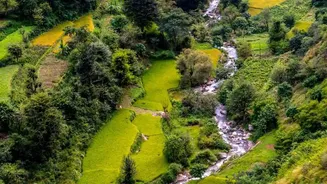
Beyond the main park, the valley is crisscrossed with scenic trails leading to hidden waterfalls and traditional villages. Short hikes to cascades like Chhoie Waterfall are popular and rewarding, offering a refreshing spray amidst lush greenery. For those seeking wider vistas, a day trip to Jalori Pass is a must. The drive itself is scenic, and from the pass, you can embark on a short trek to Serolsar Lake, a sacred high-altitude lake surrounded by dense oak trees. These walks are less about conquering peaks and more about immersing yourself in the quiet beauty of the Himalayan landscape.
The Warmth of Kath-Kuni Homestays
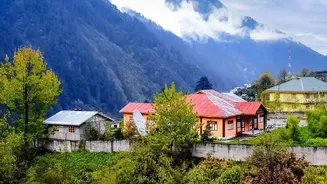
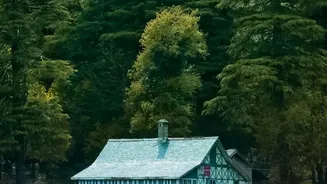
A significant part of Tirthan's charm lies in its accommodation. Instead of large hotels, the valley is dotted with charming homestays and guesthouses, often run by local families. Many of these homes are built in the traditional Kath-Kuni style, an earthquake-resistant architectural technique using interlocking layers of wood and stone without mortar. Staying in villages like Gushaini or Nagini offers an authentic taste of Himachali hospitality, complete with delicious home-cooked meals. Waking up to the sound of the river and the sight of apple orchards is an experience far removed from a typical hotel stay.