






India's Heavy Reliance on Imports
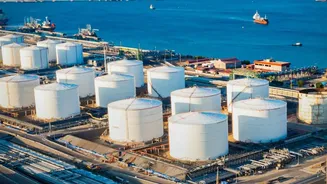
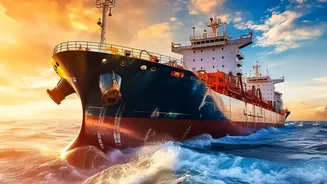
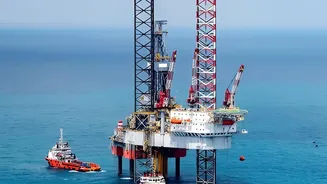
The story of India's fuel prices begins far beyond its borders. India imports over 85% of its crude oil, making it highly vulnerable to fluctuations in international markets. Events like geopolitical conflicts, decisions by oil-producing nations (OPEC),
and global supply-demand dynamics directly influence the price India pays for each barrel. As of early September 2026, Brent crude, a key international benchmark, has been trading near $98 a barrel, driven partly by renewed tensions in the Middle East. When this base cost rises, it sets off a chain reaction that inevitably reaches the Indian consumer. The value of the rupee against the US dollar also plays a crucial role; a weaker rupee means India has to pay more for the same barrel of oil, adding another layer of cost pressure.
The Journey from Crude to Your Vehicle
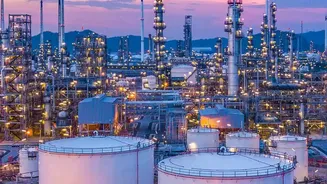
The price you pay for petrol and diesel is far more complex than just the cost of crude oil. After the crude is imported, it's sent to refineries. The price charged by Oil Marketing Companies (OMCs) to petrol pump dealers includes the cost of crude, refining charges, and freight costs. However, the largest additions to the price come from taxes. The central government levies a fixed excise duty per litre, while state governments add their own Value Added Tax (VAT), which is a percentage and varies significantly from one state to another. For instance, even after central duties, a state like Maharashtra may have higher fuel prices than Delhi because of a higher VAT. Finally, a commission for the petrol pump dealers is added to arrive at the final retail price. This is why even when global oil prices fall, consumers may not see a corresponding drop at the pump if taxes remain high.
The Domino Effect on Transportation
Diesel is the lifeblood of India's logistics network. It powers the trucks that move the vast majority of the country's freight, from factory parts and industrial goods to fresh vegetables and e-commerce packages. For trucking and logistics operators, diesel accounts for a massive chunk of their operating costs—anywhere from 30% to over 60%. When diesel prices rise, transporters have little choice but to pass on the increased expense. Many now operate with a 'Fuel Adjustment Factor' (FAF), which automatically increases freight rates when diesel prices go up. This means businesses that rely on shipping goods—manufacturers, farmers, retailers—face higher logistics bills, a cost that they ultimately pass on down the supply chain.
How It Hits Your Household Budget
The final link in this chain reaction is the impact on your daily expenses. Higher freight charges mean it costs more to transport everything, including essential commodities. The prices of groceries like fruits, vegetables, dairy products, and eggs are particularly sensitive to transport costs. This contributes directly to retail inflation, squeezing household budgets. According to one analysis, even a moderate rise in fuel prices can have a measurable impact on the Consumer Price Index (CPI), which tracks what consumers pay for goods and services. It’s not just about paying more to fill up your car or scooter; it’s about paying more for almost everything you buy, as the hidden cost of transport gets baked into the final price tag.
The Government’s Tightrope Walk
For the Indian government, high oil prices present a difficult dilemma. On one hand, high taxes on petrol and diesel are a major source of revenue, funding infrastructure projects and social welfare schemes. On the other hand, letting fuel prices rise unchecked fuels public anger and drives inflation, which can slow down the entire economy. In the past, the government has sometimes chosen to cut excise duties to provide relief to consumers and absorb some of the shock from international price surges. This action, however, comes at a fiscal cost, reducing government revenue and shifting the financial burden from consumers to the state. Balancing the need for revenue with the need to control inflation and protect citizens from price shocks remains one of the biggest economic challenges for policymakers.