




So, What Is Nilgiri Tea?
Before you can appreciate the cold brew, you have to meet the tea. Nilgiri tea comes from the Nilgiris, or 'Blue Mountains,' a stunning mountain range in Southern India. Unlike its more famous Indian cousins, the robust, malty Assam and the complex, fruity
Darjeeling, Nilgiri tea offers a different experience. It’s known for being exceptionally aromatic, medium-bodied, and beautifully balanced. The flavor is often described as brisk, fragrant, and floral, with a clean finish and naturally sweet undertones. Because it's grown at high altitudes and plucked year-round, it develops a character that is bright and smooth, making it incredibly versatile.
The Cold Brew Difference
While Nilgiri is excellent hot, it truly shines when cold-brewed. The magic is in the method. Steeping tea leaves in cold water over several hours, typically 6 to 12, extracts the compounds differently than a quick, hot infusion. This gentle process pulls out fewer tannins, which are the compounds responsible for bitterness and astringency in black tea. The result is a drink that is remarkably smooth, naturally sweeter, and allows the tea's delicate floral and fruity notes to come forward. Many find that cold-brewed Nilgiri requires no sugar at all, making it a true zero-calorie, zero-sugar indulgence.
A Clear Winner for Iced Tea
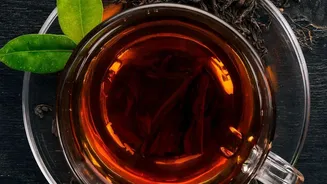
One of Nilgiri’s most celebrated qualities is its remarkable clarity when chilled. While many black teas, especially bolder ones like Assam, can become cloudy or murky when iced, Nilgiri tea remains crystal clear. This is due to its lower concentration of certain tannins that bind together and precipitate at cold temperatures. This quality makes it a favorite for commercial iced tea producers and home brewers alike, as it yields a brilliant, golden-hued drink that looks as refreshing as it tastes.
A Sip of Wellness
Beyond its superior taste and appearance, cold-brewed Nilgiri tea taps into the well-documented benefits of black tea. It is naturally rich in antioxidants like flavonoids, theaflavins, and thearubigins, which are created during the tea leaf's oxidation process. These compounds are studied for their role in helping the body combat free radicals. Some research even suggests that cold brewing may extract these beneficial compounds effectively while minimizing caffeine content compared to hot brewing. By ditching sugary sodas and bottled teas for a home-brewed, unsweetened Nilgiri, you're swapping empty calories and added sugars for a hydrating, antioxidant-rich beverage.
How to Make It at Home
Making your own Nilgiri cold brew couldn't be simpler. You don't need any fancy equipment—just a pitcher or a large jar. A good starting ratio is about 1 to 1.5 teaspoons of loose-leaf Nilgiri tea per 8 ounces of cold, filtered water. Simply combine the tea and water, give it a gentle stir, and place it in the refrigerator. Let it steep for at least 6 to 8 hours, or even overnight for a deeper flavor. Once it's done, strain the leaves out, and you're left with a perfect, ready-to-drink iced tea. Serve it over ice, with a slice of lemon or just as it is to appreciate its natural character.