







The Search for Authentic Wellness
This return to basics is not about rejecting modernity, but rather a conscious choice for better health and a deeper connection to cultural roots. After years of embracing convenience, many are now questioning the hidden costs of highly processed staples.
What is being questioned now sits on every kitchen shelf already: the atta tin, the oil can, and the masala dabba. Consumers are becoming more aware that industrial refining can strip grains of their natural nutrients, like bran and germ. This has led to a growing preference for whole grains and minimally processed alternatives that behave differently in the body, helping to manage blood sugar and improve digestion. This shift is also driven by a broader wellness movement that sees the kitchen as the first line of preventive healthcare.
The Millet Revolution
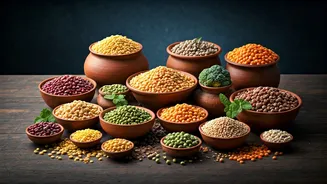
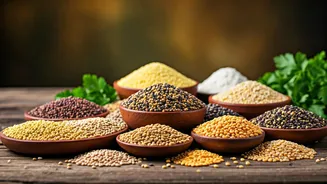
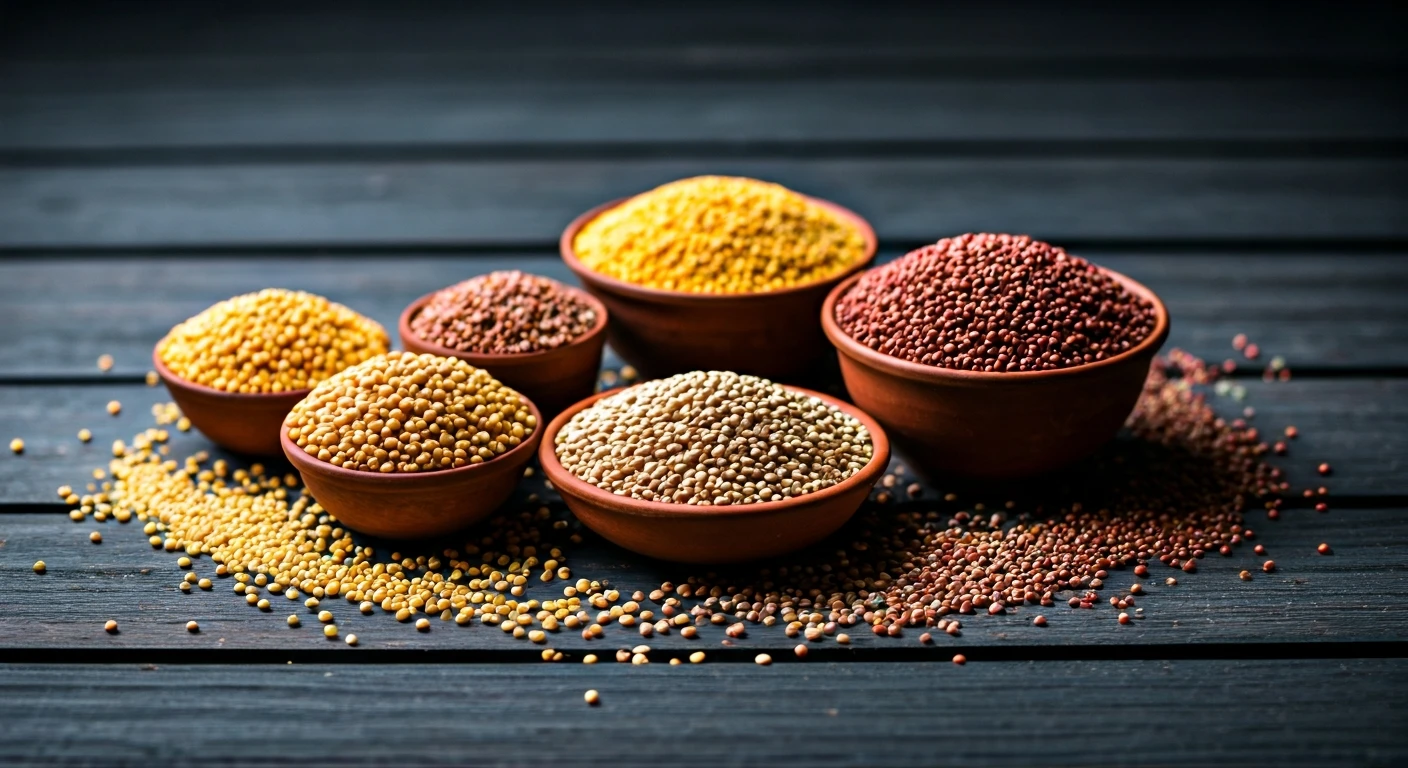
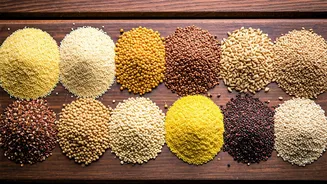
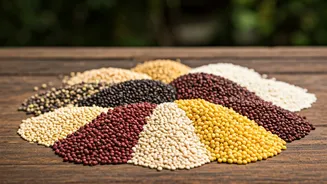
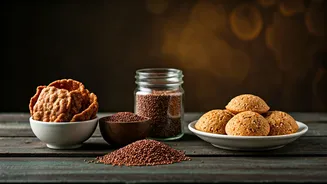
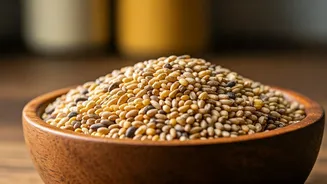
At the forefront of this movement is the remarkable comeback of millets. Grains like ragi (finger millet), jowar (sorghum), and bajra (pearl millet), once considered humble staples, are now celebrated as superfoods. Packed with fibre, protein, and essential minerals, millets offer a host of health benefits. They are known to aid in weight management, improve heart health by helping to reduce bad cholesterol, and are excellent for managing diabetes due to their low glycemic index. With strong backing from government initiatives and a growing body of health evidence, millets are no longer just a rural tradition but a modern solution for a nutritious, sustainable diet. They are versatile enough to be used in everything from traditional rotis and porridges to modern breakfast cereals and snacks.
An Answer to Food Inflation
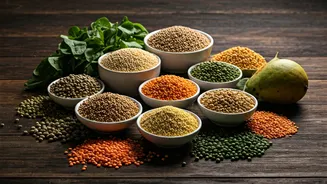
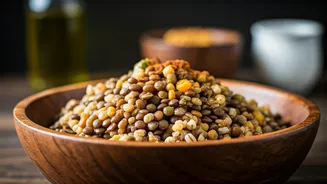
The move toward food basics is also a pragmatic response to economic pressures. Rising food inflation has a significant impact on household budgets in India, where food can account for a large share of total spending. In this environment, families are naturally seeking out cost-effective ways to eat well. Traditional staples like dals, seasonal vegetables, and whole grains often provide better nutritional value for money compared to their more processed and packaged counterparts. This focus on simple, home-cooked meals is not just about saving money; it is also about regaining control over what goes onto the plate. By prioritising locally grown produce and basic ingredients, households can create nourishing meals that are both affordable and wholesome.
Rediscovering Traditional Wisdom
Beyond specific ingredients, this trend is also about reviving traditional food practices. Fermented foods like homemade curd, pickles, and dosa batter are being newly appreciated for their probiotic qualities and benefits for gut health. There is also a renewed interest in using traditional oils, such as cold-pressed varieties, which are perceived as more natural and nutritious than highly refined oils. Even the simple act of using fresh, home-ground spices is part of this shift, as it retains the volatile oils and bioactive compounds that contribute to both flavour and health. These practices, passed down through generations, are being rediscovered not just for nostalgia, but because they align with a modern understanding of a balanced and healthy lifestyle.