





The Viral Revival
A fascinating shift is happening in India’s cultural soundscape. Classic songs, once confined to dusty vinyl collections and family gatherings, are now dominating digital spaces. Tracks from the 80s and 90s have become the backbone of viral content on platforms
like Instagram Reels and YouTube Shorts. Songs like 'Pehla Nasha' and 'Ek Do Teen' are not just memories anymore; they are the soundtracks for 2026's pre-wedding shoots and sangeet dance-offs. This phenomenon isn't limited to one era. Melodies from the 50s and 60s, such as Kishore Kumar’s 'Mere Saamne Wali Khidki' and Mohammed Rafi's 'Taarif Karoon Kya Uski', are also finding a fresh audience among listeners aged 18-24. This digital resurrection proves that a great song doesn't have an expiration date; it just needs a new platform to shine.
The Algorithm's Love for Nostalgia
The engine behind this trend is the modern content ecosystem. Short-form video platforms thrive on brief, catchy audio clips, and the hooks from classic Bollywood hits are perfectly suited for this format. A 15-second snippet of a beloved song carries instant emotional weight and familiarity, which algorithms tend to favour. When a user pairs a retro track with a personal moment—a wedding entry, a travel montage, or a simple aesthetic video—it creates a powerful blend of the old and new. This encourages others to use the same audio, creating a domino effect that can turn a forgotten melody into a trending sensation overnight. It’s a cycle where user creativity and platform mechanics work together, re-introducing entire generations to the musical treasures of the past.
From Screens to Dance Floors
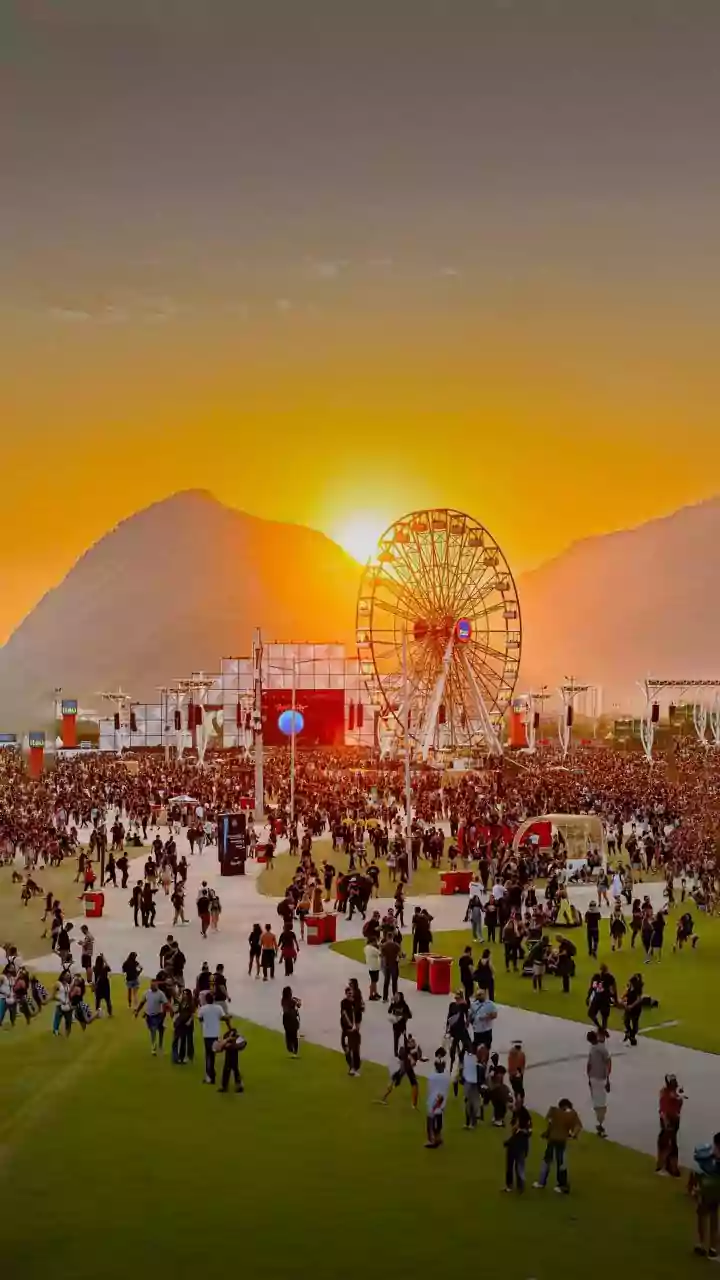
This revival isn't just a digital phenomenon; it's spilling over into live events, creating vibrant, multi-generational experiences. DJs and live bands are increasingly weaving classic tracks into their sets, much to the delight of crowds. Artists like Lost Stories are known for blending Indian folk sounds with electronic music, while others like DJ NYK have built a reputation on their high-energy Bollywood remixes. At weddings and club nights, dropping a classic like 'Tujhe Dekha Toh' or 'Ye Dil Deewana' can generate a massive emotional response, uniting guests of all ages on the dance floor. These live performances provide a communal space where the nostalgia of older generations meets the newfound appreciation of the young, proving that these songs are not just relics but living, breathing parts of today's party scene.
A Search for Authenticity
Why is this happening now? For many young listeners, older music offers an emotional depth and authenticity they find lacking in some of today's algorithm-driven hits. They appreciate the rich lyrical storytelling and the “maahol,” or atmosphere, created by real instruments like the tabla and guitar. In an era of autotune and digital production, the raw vocals of Kishore Kumar or Lata Mangeshkar provide a refreshing contrast. This isn't just about rejecting the new; it’s about discovering a different kind of sound. For some, it's a way to connect with their cultural roots and family history, turning the music that played in their childhood homes into a personal soundtrack. This search for meaning and connection is a key driver behind Gen Z’s deep dive into the classics.
An Enduring Legacy
The trend also has a commercial dimension. The practice of officially remixing or recreating classic songs for new films has become a common strategy in Bollywood, leveraging built-in nostalgia for commercial success. While some purists argue these remakes can dilute the original charm, they undeniably help in re-introducing the songs to a younger demographic. This digital and live revival ensures that the work of legendary composers, lyricists, and singers continues to find new life and new revenue streams. It’s a testament to the enduring power of their creations, proving that a well-crafted song can transcend time, technology, and trends to be appreciated for generations to come.