







The Backlash Against Burnout
High-Intensity Interval Training (HIIT) has been the undisputed king of cardio for over a decade, promising maximum results in minimum time. While effective, the constant explosive movements, heavy loads, and gut-busting efforts have left many gym-goers
feeling burnt out, exhausted, and nursing chronic injuries. The fitness community is collectively asking: is there a better way to build endurance without constantly pushing our bodies to the breaking point? The answer, it seems, lies not in going harder, but in going smarter and slower. This shift in perspective has paved the way for the resurgence of steady-state cardio, with a specific focus on a highly effective, low-impact approach.
What Exactly is Zone 2?
Fitness training is often broken down into five heart rate zones, from very light activity (Zone 1) to maximum effort (Zone 5). Zone 2 is the sweet spot, typically defined as working at 60-70% of your maximum heart rate. Think of it as a “comfortably challenging” or “conversational” pace. At this intensity, you should be able to speak in full sentences without gasping for air. The magic of Zone 2 lies in its ability to improve your body's aerobic base and mitochondrial efficiency. It trains your cells to become better at using fat for fuel, a cornerstone of metabolic health and long-term endurance. It’s the foundation upon which all other fitness is built.
Rowing: The Perfect Low-Impact Engine
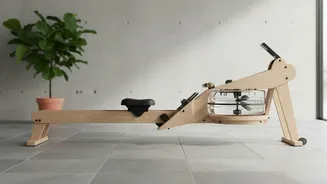
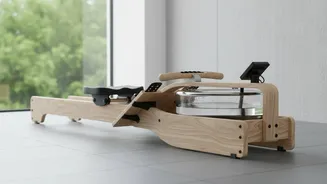
While you can perform Zone 2 training with many activities like brisk walking or cycling, the rowing machine has emerged as a particularly perfect vehicle. Rowing is a true total-body workout, engaging over 80% of your body's muscles—including your legs, core, back, and arms—in a single, fluid motion. Most importantly, it is exceptionally low-impact. Unlike running, which involves repetitive pounding on the joints, rowing is a non-weight-bearing exercise where the smooth, controlled movement protects your knees, hips, and ankles from excessive strain. This makes it an accessible and sustainable option for people of all ages and fitness levels, especially those with pre-existing joint concerns or those looking to prevent future injuries.
The Benefits of a Slower Burn
The advantages of incorporating Zone 2 rowing into your routine extend far beyond just being gentle on your body. This steady-state work is a powerhouse for building cardiovascular health, helping to lower your resting heart rate and blood pressure over time. Because the intensity is manageable, it also promotes faster recovery. Unlike a grueling HIIT session that can leave you sore for days, Zone 2 work increases blood flow, helps clear metabolic waste from your muscles, and doesn't drain the same recovery resources needed for strength training. This allows you to train more consistently without risking overtraining, leading to better overall performance whether your goal is to run a marathon or lift heavier weights.
How to Start Your Zone 2 Journey
Getting started is simpler than it sounds. First, estimate your maximum heart rate by subtracting your age from 220. Then, calculate 60-70% of that number to find your target Zone 2 range. For example, a 40-year-old would have an estimated max heart rate of 180, making their Zone 2 range approximately 108-126 beats per minute. The easiest way to monitor this is with a heart rate tracker, but the “talk test” is a reliable low-tech alternative. Aim for 30-60 minute sessions, two to three times per week. On the rower, focus on maintaining a consistent, moderate stroke rate—around 18-22 strokes per minute is a good starting point. The goal isn't speed; it's maintaining a steady effort within your target heart rate zone for an extended period.