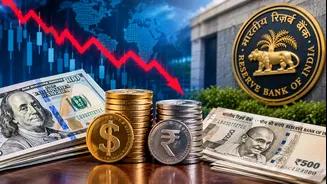







How a Weaker Rupee Directly Hits Your Wallet
When the rupee depreciates or 'weakens', it means you need more rupees to buy one unit of a foreign currency, such as the US dollar, British pound, or Australian dollar. The direct consequence is that all your foreign currency expenses become more expensive
in rupee terms. Even if a university's tuition fee remains unchanged at $40,000, a fall in the rupee's value can increase the cost by lakhs. For example, a shift from ₹83 to ₹87 per dollar would increase the cost of that same $40,000 fee by ₹1,60,000. This isn't just a one-time hit; it affects every single payment you make, from semester fees to your monthly rent.
Tuition Fees: The Biggest and Most Obvious Impact
The most significant expenditure for any student abroad is tuition. These fees are set in the local currency of the university, be it dollars, pounds, or euros. When it's time to pay, the amount is converted from rupees at the prevailing exchange rate. A depreciating rupee means the final amount transferred from your Indian bank account will be higher than you might have budgeted for just a few months earlier. This can be particularly stressful for families who have meticulously planned their finances, as a currency swing can create an unexpected financial gap.
Living Expenses: The Daily Budget Squeeze
Beyond tuition, the rupee's value impacts your daily life. Your budget for accommodation, groceries, transport, and other personal expenses is also denominated in a foreign currency. A weaker rupee means your monthly budget in rupees doesn't stretch as far as it used to. This can force students to cut back on essentials, take up extra part-time work, or even skip meals to save money, adding significant pressure on top of academic challenges. Many students find that their initial budget, which seemed comfortable, quickly becomes tight as the cost of living in rupee terms悄悄地creeps up.
The Education Loan Complication
Currency fluctuations also complicate education loans. When a loan is sanctioned in India, the amount is often based on the exchange rate at that time. If the rupee weakens by the time the next tuition instalment is due, the sanctioned loan amount may no longer be sufficient, forcing students and their families to apply for a top-up loan. This often involves new paperwork and can cause delays. Furthermore, if you plan to repay your loan from India after your studies, a persistently weak rupee means your EMIs in foreign currency terms become more expensive to service over the long run.
Strategies to Manage Currency Risk
While you can't control the foreign exchange market, you can take steps to mitigate the risk. One popular strategy is to use a forex card, which allows you to 'lock in' an exchange rate for a certain amount of funds. This protects that portion of your money from future fluctuations. Another approach is to build a contingency fund, setting aside an extra 10-15% in your budget to absorb unexpected currency movements. It's also wise to monitor exchange rate trends; if the rupee strengthens, it might be a good time to pay a larger chunk of your fees in advance. Finally, compare different money transfer services, from traditional bank wire transfers to modern fintech platforms, as they offer varying exchange rates and fees.