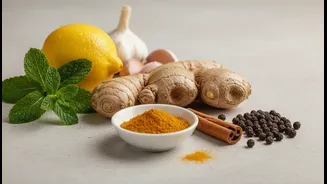







Turmeric (Haldi)
A staple in every Indian kitchen, turmeric is a powerhouse during the monsoon. Its active compound, curcumin, has potent anti-inflammatory, antiviral, and antibacterial properties. This helps your body fend off common seasonal illnesses like the cold
and flu. A small amount added to milk, curries, or dals not only imparts a warm colour but also strengthens your immune response. For maximum benefit, pair it with a pinch of black pepper, which enhances curcumin absorption.
Ginger (Adrak)
Ginger is another essential monsoon ingredient, celebrated in Ayurveda for its ability to fire up a sluggish digestive system. Rainy weather can make digestion weak, and ginger tea is a perfect remedy. It helps alleviate bloating and gas, common complaints during this season. Its antimicrobial properties also help fight throat infections and colds. Whether grated into your morning chai, added to soups, or used in your sabzi, ginger provides both flavour and function.
Garlic (Lahsun)
Known for its strong flavour and medicinal benefits, garlic is a must-have to boost your immunity. It contains allicin, a compound with powerful antibacterial and antiviral effects. Including garlic in your daily meals—like in dals, vegetable dishes, or chutneys—can help your body fight off infections that are more prevalent in damp weather. To get the most out of it, crush or chop the cloves and let them sit for a few minutes before cooking.
Bitter Gourd (Karela)
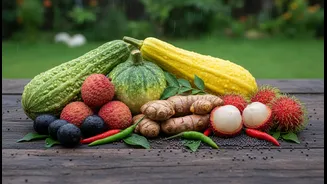
While its bitterness might not appeal to everyone, karela is an incredibly beneficial vegetable for the monsoon. It is packed with Vitamin C and has antiviral properties that enhance the body's natural defences. Traditional wisdom values bitter foods during the rains for their ability to support liver function and keep the gut healthy. It helps manage blood sugar levels and protect against seasonal ailments.
Bottle Gourd (Lauki)
Lauki, or bottle gourd, is a light and easy-to-digest vegetable that is perfect for the season. Since heavy meals can tax the digestive system during monsoon, incorporating lauki helps keep things running smoothly. It is rich in fibre and has high water content, which aids in preventing constipation and keeping you hydrated. It's a versatile vegetable that can be used in soups, curries, and even raita, making it a simple way to eat healthy.
Jamun
This deep-purple seasonal fruit is a monsoon delight with significant health benefits. Jamun is low in calories but rich in nutrients like iron, potassium, and vitamins. It is particularly known for helping with stomach problems and boosting immunity due to its Vitamin C content. The fruit's properties also help improve blood circulation and support liver function, making it a fantastic seasonal snack to enjoy.
Corn (Bhutta)
The sight of roasted bhutta is synonymous with Indian monsoons for a reason. More than just a nostalgic snack, corn is a healthy choice. It's high in fibre, which aids digestion, and packed with antioxidants. Corn is a Kharif crop, meaning it is harvested during this season, ensuring it is fresh and at its nutritional peak. Whether you enjoy it roasted on the cob or as boiled kernels in a salad, it’s a filling and nutritious option.
Moong Dal
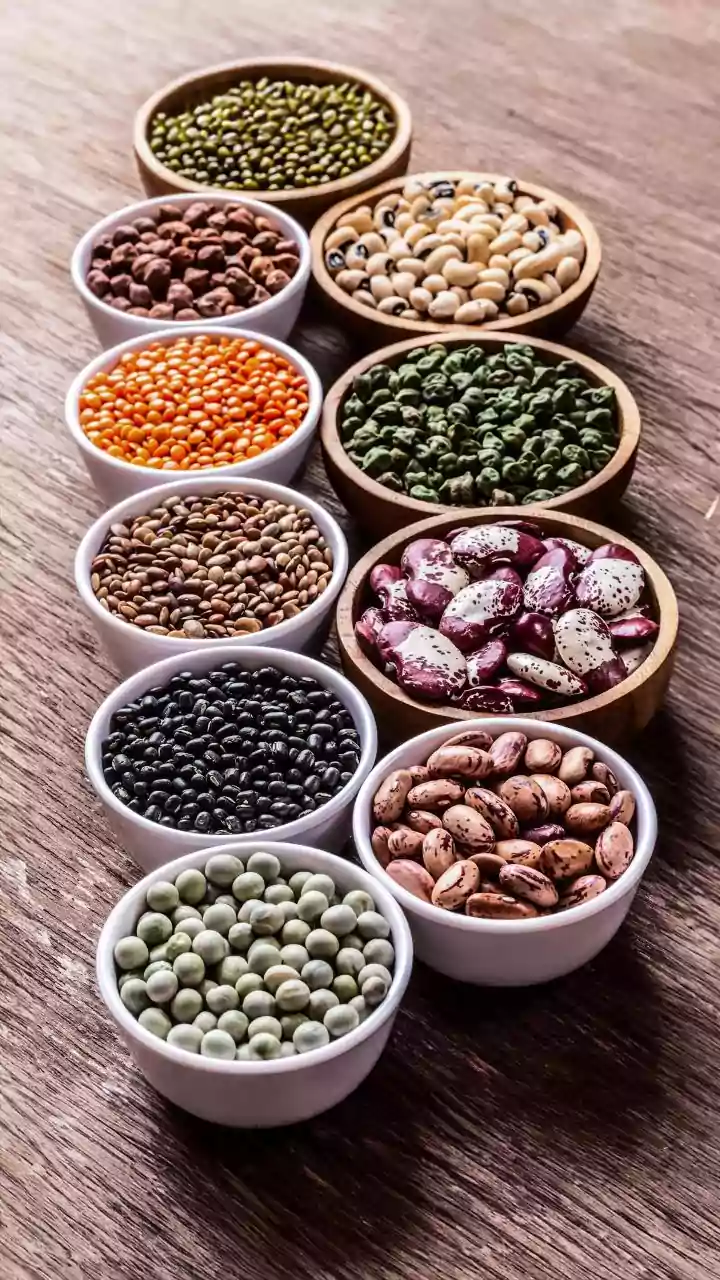
When it comes to protein, moong dal is one of the best choices for the rainy season. It is light, easy to digest, and packed with nutrients. This makes it ideal for a time when the digestive system, or 'Agni' in Ayurveda, is considered weaker. A warm bowl of khichdi made from moong dal and rice is the ultimate comfort food that nourishes the body without straining it. It provides sustained energy and essential amino acids.
Yoghurt & Buttermilk (Dahi & Chaas)
Probiotics are crucial for maintaining gut health, which is the foundation of a strong immune system. Freshly prepared dahi and chaas are excellent sources of good bacteria that help fight off stomach infections. These dairy products aid digestion and help maintain a healthy balance in your gut microbiome. Just be sure to consume them fresh and avoid having them late at night, as is often advised in traditional Indian dietary practices.
Nuts and Seeds
A small handful of nuts and seeds like almonds, walnuts, and pumpkin seeds can be a great addition to your monsoon diet. Almonds provide Vitamin E, while walnuts offer omega-3 fatty acids, both of which support immune function. Pumpkin seeds are a good source of zinc, a mineral essential for the body's defense mechanisms. They make for a great snack that keeps you full and prevents you from reaching for unhealthy fried treats.